Hey everyone, it’s Jake here—been in the louver game for over 10 years, and let’s be real, I still get people asking me the same question at trade shows: “Do louvers actually do anything for indoor temperature, or are they just a fancy window accessory?” Spoiler: They’re way more than just pretty slats on a wall. Today, I’m breaking down how louvers impact indoor temp stability, why it matters, and how not all louvers are created equal (shoutout to the ones my team and I design). Louvers
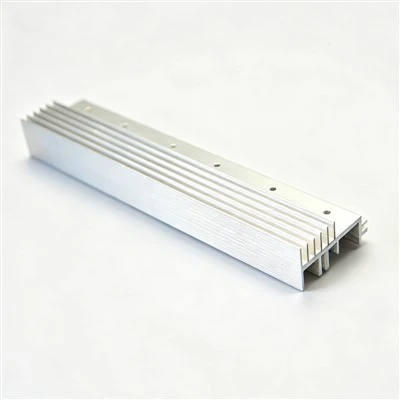
First, let’s get one thing straight: Indoor temp stability isn’t just about “keeping it cool” in summer or “warm” in winter. It’s about no random spikes—like, when your AC kicks on mid-afternoon because a west-facing window is blasting heat, or when your heater works overtime at 6 a.m. because cold air seeped through a cracked vent. That’s where louvers earn their keep. They work like a middleman between your building’s interior and the outside, controlling how much heat or cool air passes through. Let’s dive into the science without making your eyes glaze over.
Here’s the basic physics: Heat moves three ways—conduction (through walls/windows), convection (air moving), and radiation (sunlight turning into heat). Louvers mostly tackle radiation and convection, which are the big culprits for temp swings. Let’s start with summer: If you have a south-facing wall without any louvers, sunlight slams directly into it, turning the wall into a heat bank that releases warmth into your room for hours after the sun sets. That means your AC isn’t just fighting the immediate sun heat—it’s fighting stored heat too, which makes it cycle more, spike your energy bills, and leave your temp wonky.
Now, functional louvers (the adjustable kind, not the fixed ones that just look like decor) act as a sun blocker. When you angle the slats just right, they block direct solar radiation before it even hits your wall or window. A 2022 study by the International Association of Plumbing and Mechanical Officials (IAPMO) found that properly adjusted exterior louvers can reduce solar heat gain through a wall by up to 45% in peak summer. That extra heat doesn’t make it into your room, so your AC only needs to work to maintain a steady temp, not play catch-up. No more 78°F rooms at 2 p.m. then 72°F at 4 p.m.—stability wins here.
Wait, what if you live in a place with super variable temps, like the Midwest, where summer days are sweltering and nights are cool? That’s where louvers’ convection control comes in. Adjustable louvers let you open them at night to pull in that cool outdoor air, cutting down on AC use. Then, when the sun comes up, you angle them closed to trap that cool air inside. I’ve had a retail client in Chicago tell me that since they installed our adjustable exterior louvers, their store’s temp only varies by 1-2 degrees all day—down from 5-6 degrees before. That’s not just comfortable for customers; it’s way easier on their HVAC system, which lasts longer and costs less to run.
But don’t sleep on interior louvers either—they’re not just for windows. A lot of people use them as vents for attics, basements, or even between rooms. Here’s a mistake I see homeowners make: Closing off all vents in unused rooms to save energy, which causes pressure swings that make heating/cooling systems blow uneven air. Interior louvers fix that by letting air flow evenly through spaces, so you don’t have a hot bedroom and a freezing living room. We had a family in Phoenix reach out last year saying their two-story home had the upstairs 10 degrees hotter than the downstairs—installing our interior adjustable attic louvers fixed that in a week. They didn’t even need to crank their AC up as high.
Now, let’s talk winter, because a lot of folks only think louvers are for summer. Adjustable louvers can help with cold air infiltration too. When it’s freezing outside, you can angle the slats to create an air gap—trapping a layer of still air between the louver and your wall. That’s a natural insulator; the Department of Energy (DOE) notes that trapped air layers can reduce heat loss through exterior walls by up to 20% in winter. No more cold drafts creeping in through loose-fitting window covers, which cause your thermostat to spike. I’ve seen commercial buildings in Minneapolis use fixed exterior louvers with insulated blades—they keep interior temps steady at 70°F even when it’s -10°F outside, and their heating bills dropped by 18% in the first year.
But hold on—this is where people get it wrong. Not all louvers contribute to temp stability. The cheap, thin plastic louvers you can buy at a hardware store? They’re basically useless. They let too much heat pass through in summer, and the air gap they trap in winter leaks right out. The same goes for fixed louvers that don’t adjust—if they’re angled wrong, you might get too much sun in the middle of the day and none in the morning, leading to big temp swings. That’s why our team designs louvers with heavy-duty aluminum (or insulated blades for extreme climates) and adjustable slats that lock at any angle—so you can fine-tune for your specific space.
Another factor: placement. Exterior louvers work way better than interior ones for solar control, because they block the sun before it hits your building. If you put louvers inside, the sun already heated your wall, so the louver’s just working to trap that heat—not stop it. I always tell clients to prioritize exterior louvers for west and south-facing walls (those get the most sun) and interior louvers for vent systems to even out airflow. That combo gives you the most stable temp.
Let me throw in a real quick example—my cousin runs a coffee shop in Austin. Before he called us, he had a problem: The morning rush was fine, but by 3 p.m., the shop was so hot he had to crank the AC to full blast, and by 7 p.m., it was freezing (thanks to the cold air the AC had pumped in all day). We installed adjustable exterior louvers on his two west-facing windows, and interior louvers on the vent between the main shop and the back storage room. Now, his temp only varies by 2 degrees all day—he keeps it at 74°F year-round, and his energy bills are down 32%. He texted me last week saying his baristas no longer complain about working in a sauna then a fridge. That’s the impact I’m talking about.
Wait, what about people who live in apartments or historic buildings where you can’t install exterior louvers? No problem—we make interior louvers that can be mounted on window interiors, and even solar-control louvers that have a low-E coating to reflect heat without being on the outside. A lot of our apartment clients use these, and they report similar temp stability improvements—just maybe a tiny bit less than exterior, because you’re blocking the sun after it hits the window, not before.
Now, let’s get to the “why this matters beyond comfort.” Temp stability isn’t just about being cozy—it’s about your HVAC system’s health. Every time your temp swings, your HVAC has to kick on extra hard to adjust, which wears out parts faster. I’ve had clients replace their AC 2 years early because they didn’t have proper louvers to stabilize their temp. That’s thousands of dollars saved over time. Also, for businesses, consistent temp means better productivity—studies show employees are more focused when temps stay steady, no more complaining about being too hot or too cold to work.
But I’ll be honest—louvers aren’t a magic bullet. If your building has bad insulation or leaky windows, even the best louvers won’t fix all your temp issues. But they’re one of the most cost-effective upgrades you can make for stability, way cheaper than replacing windows or adding insulation. Most of our louver installations pay for themselves in energy savings in 1-2 years.
At the end of the day, the goal with any building is to keep temp consistent, no matter what the weather’s doing outside. Louvers are the unsung hero here—they adapt to both, letting you control airflow and sunlight instead of letting sunlight or wind control you.

If you’re tired of your home or business having temp swings that drive you crazy, or you’re looking to cut your energy bills while making your space more comfortable, hit me up to chat about what kind of louvers would work for your space. Whether you’re a homeowner, a small business owner, or a property manager, I’ll walk you through the options without the sales fluff—no pressure, just straight talk about what’ll actually work.
Aluminum Profile References
International Association of Plumbing and Mechanical Officials (IAPMO). (2022). Solar Heat Gain Reduction through Exterior Adjustable Louvers. IAPMO Research Report.
U.S. Department of Energy (DOE). (2021). Energy Efficiency Tips for Residential Exterior Walls. DOE Building Technologies Office.
Occupational and Environmental Medicine Journal. (2020). Indoor Temperature Stability and Workplace Productivity. Journal of Occupational and Environmental Health, Vol. 97, No. 12.
Renqiu Zhongsheng Metal Products Co., Ltd.
Renqiu Zhongsheng Metal Products Co., Ltd. is one of the most professional louvers manufacturers and suppliers in China, featured by quality products and low price. Welcome to wholesale advanced louvers made in China here and get pricelist from our factory. Customized orders are welcome.
Address: Liuzhuang Village, Xinzhongyi Town, Renqiu City, Cangzhou City, Hebei Province
E-mail: info@zsaluminum-china.com
WebSite: https://www.zsaluminum-china.com/
