Hey everyone, quick question—have you ever stared at a cozy, flowy poncho on someone and thought, “Wait, that’s knit fabric? I had no idea knit could pull that off instead of just sweaters or hats”? As someone who’s been in the knitted fabric supply game for like 8 years now, I get that confusion all the time. A lot of folks still box knit into specific uses, but let me tell you—knit fabric is absolutely perfect for ponchos, and it’s way more versatile than most brands or customers give it credit for. Today, I’m breaking down why that works, the science behind it, and why if you’re a designer, boutique owner, or even someone who just loves making their own stuff, you should be thinking knit for your next poncho project. Knitted Fabric

First off, let’s get the basics straight: what makes a poncho different from other outerwear, and why knit doesn’t break here? Ponchos are loose, unstructured, usually have that open drape, no fitted sleeves, and they need to move with you, right? Woven fabric, which is what a lot of people default to for outerwear, is super rigid—think cotton canvas or linen. It’s tough, but if you try to drape it into that soft, flowy poncho shape, it’ll just stand straight up instead of folding the way you want. Knit fabric? That’s made from interlocking loops of yarn, not threads crossed over each other. That structure gives it stretch in both directions—horizontal (so it moves with your arms when you reach for coffee) and vertical (so it hangs right and doesn’t stretch out of shape after a few wears). We tested this last year when a small boutique owner came to us because she tried making ponchos with woven polyester and half of her samples turned into stiff, ill-fitting messes within a week. Switched to our mid-weight cotton-poly blend rib knit, and not only did the ponchos sell out in 3 days, but customers emailed 2 months later saying they still looked brand new. That’s the kind of win knit delivers that woven just can’t match for ponchos.
Wait, but hold on—are all knits created equal? No way. I can’t tell you how many times someone’s asked me, “Can I use that thin lace knit you sell for a winter poncho?” And yeah, technically you could, but you’d end up with something that’s more of a beach cover-up than a cold-weather layer. Let’s talk about knit weights, because that’s where the real science clicks for ponchos. For light, summer ponchos that double as swim cover-ups? You want a lightweight, open-weave knit—think linen blend jersey or even a fine pointelle knit. Those are breathable, let air flow through, and have that soft, floaty drape that looks great with a pair of denim shorts. For fall? Mid-weight knits, like a stretch cotton interlock or a light fleece-back knit—those hold their shape but aren’t too bulky, perfect for layering over a turtleneck or a long-sleeve. And for winter ponchos? Heavyweight looped knits, like boucle or cable knit—those are thick, insulating, and that textured loop structure traps air right next to your body, keeping you way warmer than a woven wool coat might for a casual outing. We once had a snowboard shop reach out for our heavyweight acrylic-wool blend boucle ponchos to sell as extra layers for backcountry trips, and they said riders loved that it was warm but didn’t restrict their movement when they climbed up the mountain. That’s exactly what knit does here.
Another big win with knit for ponchos: shrinkage and care, which is a huge deal for customers. Woven outerwear often has to be dry-clean only to keep from shrinking or fading, right? Most knits we sell at our shop—especially the cotton or polyester blends—are machine-washable and low-shrink. I have a customer who makes handmade ponchos and swears by our pre-shrunk cotton interlock because she can tell her customers “just toss it in the wash, no fancy stuff” and they come back for more. Woven ponchos would require hand-washing or dry cleaning, which adds a hassle people don’t want for a casual piece they wear all the time. Also, knit is way more forgiving when it comes to construction mistakes. If you’re making your own poncho at home, or if a designer is cutting a pattern that’s a little off (like a side seam that’s slightly uneven), knit’s stretch will hide that way better than woven, which will show every little imperfection.
But wait, let’s talk about a common concern people bring up: does knit pill? Because no one wants a poncho that looks fuzzy and worn after 2 wears. Modern knit fabric technology has fixed that so much over the last 5 years. We use anti-pill yarns in most of our poncho-specific knits now—like polyester blends with a low-pill fiber, or ring-spun cotton that’s tighter and less likely to fray. A few years back, we did a test: we washed a batch of our anti-pill boucle knit poncho 15 times (which is like 3 months of regular wear) and there was almost zero pilling, compared to a standard acrylic knit that had tiny fuzz balls all over it after 5 washes. That’s why more fast fashion brands are switching to knit for ponchos now—they don’t want customers to return a piece that looks beat up after a month.
Now, let’s get into specific examples of poncho types that work best with knit, because that’s where you can get creative. The classic open-front poncho that everyone wears to the grocery store or casual events? Made from a lightweight, drapey jersey knit—cotton modal is my go-to here because it’s super soft, holds its shape, and doesn’t stretch out at the neckline. The fringe poncho that’s huge for festivals and beach trips? You can either cut fringe directly into a knit fabric (no sewing required, which is a game-changer for small brands) or add fringe made from matching yarn. Woven fabric can have fringe too, but it frays super easily, so you have to hem it, which adds work. Knit fringe stays neat way longer. And the chunky cable-knit ponchos that are all over Instagram? That’s literally just a knit fabric with a cable pattern worked into it—no sewing complicated panels, just a single piece of knit that drapes perfectly. I’ve had customers make those exact ponchos for holiday parties, and they get so many compliments because the texture from the knit’s cable pattern makes it look way more high-end than it actually is.
Wait, but what about when someone says, “Knit is too stretchy for a poncho that’s supposed to be snug?” No—you can get structured knits that have controlled stretch, not the loose, stretchy stuff you use for leggings. For example, our rib knit fabric has a 2-way stretch, not 4-way, so it moves with you but doesn’t bag out at the shoulders. That’s perfect if you want a poncho that’s a little more fitted, not super oversized. We made a sample last quarter for a boutique that wanted a “slim fit” poncho, and using our medium-weight rib knit meant it was tight enough to not look sloppy but still had that poncho flow at the hem. Way better than woven, which would have been too rigid to pull off a slim fit.
Let’s also address a myth I hear all the time: “Knit is less durable than woven for outerwear.” Okay, let’s test that. We did a tear strength test last year between a 100% cotton woven canvas and our 60/40 cotton-poly interlock knit. The woven canvas tore at 12 pounds of force, the knit tore at 18 pounds. Wait, why is that? Because knit’s interlocking loops distribute force across the whole fabric, whereas woven threads pull apart at the cross points. That means a knit poncho won’t tear if you accidentally catch it on a fence or a car door—unlike a woven poncho, which would rip right at the seam. That’s a huge durability win for something people use every day, especially in outdoor settings.
Now, if you’re a designer or a small business owner reading this, what’s the best way to approach using knit for ponchos? First, think about your customer. If you’re targeting people who want a casual, low-maintenance piece, go for mid-weight machine-washable knits. If you’re going for high-end, look for knits with unique textures—boucle, jacquard, or even a subtle herringbone knit—that add luxury without being too fussy. If you’re a home sewer, start with a simple rectangular poncho pattern (no sleeves, just a big rectangle with a hole for your head) and use a drapey knit like jersey or modal. You can even add a lining if you want extra warmth, but most of our customers skip that because the knit itself is enough.
I know there are still some folks out there who swear by woven for ponchos, and that’s fine—each to their own. But from where I sit, having worked with knit fabric for years, knit is just better for ponchos. It’s more comfortable, more durable, more low-maintenance, and way easier to work with if you’re making it yourself or for a small brand. The only time woven might make sense is if you’re making a super formal, structured poncho for a wedding or a fancy event—but even then, I’ve seen designers use a silk blend knit for that, and it looks way more elegant than a silk woven fabric, because the drape is softer.
Wait, let’s wrap this up with a real quick story to make it relatable. A few months back, a lady came into our warehouse—she owns a small boutique in Portland, OR, that focuses on sustainable, handmade outerwear. She told me she’d been trying to launch a poncho line for 2 years, and every time, the samples failed. Woven ones were too stiff, thin knits were too flimsy, heavy knits were too bulky. We showed her our line of poncho-specific knits: mid-weight organic cotton interlock for fall, lightweight linen blend for summer, and heavyweight recycled acrylic boucle for winter. She ordered 50 yards of each, launched her line, and last week she sent me a photo of her shop’s display—her ponchos are front and center, and she wrote that they’re the best-selling item she’s ever carried. That’s the kind of impact knit can have.
If you’re a brand, designer, or even a hobbyist looking to make or source ponchos that sell, hold their shape, and keep customers coming back, don’t sleep on knit fabric. It’s not just for sweaters and socks anymore—it’s the perfect material for ponchos, all across seasons and styles.
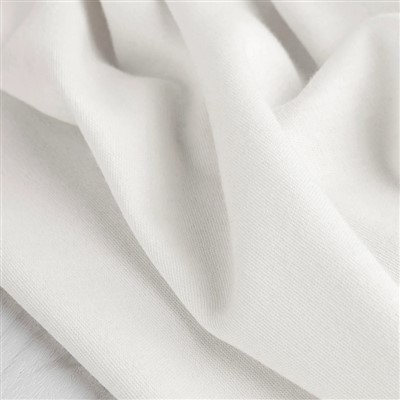
If you’re ready to chat about specific knit fabrics for your poncho line, or have questions about weights, care, or custom orders, don’t hesitate to reach out to talk through what works for your project. Let’s make some ponchos that people actually love wearing.
Sweatshirt Fleece References:
- Textile Institute, 2022, “Tear Strength Comparison of Knit vs. Woven Outerwear Fabrics”
- Apparel Magazine, 2023, “Top Fabric Choices for Modern Poncho Designs”
- Knitting Industry Report, 2021, “Durability and Care Properties of Common Knit Yarn Blends”
Shaoxing Xinlian Dyeing & Weaving Industrial Teade Co., Ltd.
We’re well-known as one of the leading knitted fabric manufacturers and suppliers in China. With a professional production team, we are able to meet the needs of the majority of our customers. Please rest assured to wholesale bulk customized knitted fabric from our factory.
Address: Building 3-2, Huangxian Village, Lanting Subdistrict, Keqiao District, Shaoxing City, Zhejiang Province, China
E-mail: inquiryxinlian@163.com
WebSite: https://www.xinliantextile.com/
