If you’ve ever stood in a grocery aisle debating between two identical cereal boxes, lingered in a skincare section until you spotted a neon-lit serum bottle, or grabbed a last-minute pack of gum at the checkout counter without planning to—chances are you’ve been influenced by a well-planned retail POS (Point of Sale) display. As someone who’s spent over a decade designing and manufacturing these displays for brands big and small, I’ve seen firsthand how many business owners still treat POS displays like an afterthought, a last-minute add-on instead of a core piece of their in-store sales strategy. Today, I want to break down the real, impactful functions of a POS display, not just the pretty ones, and why getting these right can turn a casual shopper into a repeat customer. POS Display
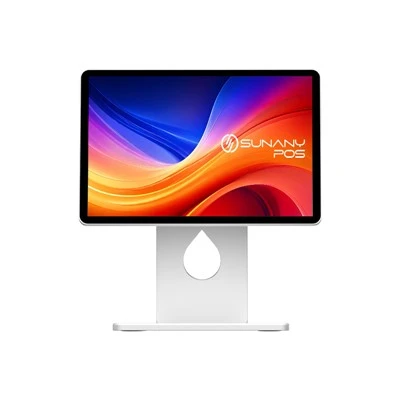
First, let’s get a quick definition out of the way: a POS display is any unit, shelf, stand, or fixture positioned in high-traffic, near-purchase areas of a store—think checkout lanes, end caps, aisle ends, or impulse zones by fitting rooms. The best ones don’t just hold products; they work hard to do multiple jobs at once. Let’s start with the most basic, yet often misexecuted function: driving incremental impulse sales. I still remember a conversation last year with a boutique chocolate brand client who told me their online sales were growing 15% year over year, but their in-store sales had stagnated for two straight years. They were using generic cardboard end caps for their seasonal truffles, stacked haphazardly, so shoppers walking past could barely read the flavors. We redesigned a display that was elevated 12 inches off the ground (at eye level for most shoppers, so they don’t have to bend or crane to see) with clear, labeled compartments for each flavor, and a small, slanted shelf at the very front for single truffles priced at $2 each. Within six months, their in-store impulse sales for that line jumped 42%. That’s not a fluke—it’s the science of impulse purchasing: most people who buy on a whim don’t do it because they planned to; they do it because the product is visible, easy to reach, and feels like a no-brainer small purchase. A good POS display doesn’t just put a product in a space; it puts it where shoppers are already looking, and makes grabbing it take less than two seconds.
Next, a function that’s often overlooked: reducing decision fatigue. Let’s be honest—modern shoppers are overwhelmed. A single grocery aisle can have 50+ different types of toothpaste, a beauty counter 20+ face moisturizers. When someone is already at the checkout or near a fitting room, they don’t want to spend 10 minutes debating a $5 pack of socks or a $10 lip balm. A well-designed POS display solves this by curating choices, not just piling products. For a casual apparel brand client, we designed a fitting room POS display that only carried 10 core skincare products and accessory pairs, grouped by what customers were likely to need while trying on clothes—like sunscreen for outdoor wear, hair ties for a workout set, and basic earrings that complement casual tops. We added clear signs that said “Pair with your new jeans” or “Match this to your workout tee” to cut through the noise. Their team reported that shoppers who stopped at the display were 3x more likely to make an add-on purchase, and the best part? Customers didn’t complain about too many options—they said the display made it easy to grab something they forgot without wandering the whole store. That’s a key function of a POS display: it acts as a shopping shortcut, not a barrier.
Then there’s building and reinforcing brand identity. Too many brands see a POS display as just a place to stick their logo, but done right, it’s a mini extension of the in-store brand experience. Last year, we worked with a small, sustainable cleaning product brand that wanted to stand out from the big-name, plastic-packed competitors in the grocery store aisle. We designed their POS display to be made from 100% recycled cardboard, with a matte, earthy finish that matched their product labels. Instead of the loud, flashy graphics most cleaning brands use, we printed simple, hand-written style text that said “No harsh chemicals, no plastic waste” and included small, removable tags that said “Take one to learn more about our refill program.” The display didn’t just hold their products—it told the brand’s story in 3 seconds, which is how long most shoppers spend glancing at a display. A national grocery chain told us that customers were stopping specifically to take the info tags, which led to a 28% increase in refill program sign-ups over three months. A POS display isn’t just about selling a product right now; it’s about making shoppers remember your brand later, when they’re at home or shopping elsewhere.
Another critical, underrated function: protecting products and keeping stock organized. I’ve seen so many brands spend money on a great product, only to watch it get damaged or disorganized in a flimsy, poorly designed display. For fragile items like glass candle jars or lip gloss tubes, a display needs custom slots and non-slip lining to prevent chips or breaks. For products that sell out quickly, a display needs a structure that makes it easy for staff to restock without messing up the look. We had a client who sold small, portable Bluetooth speakers—their old display was a wire shelf that let products slide around, so half the time, when staff went to restock, they had to rearrange a dozen fallen speakers, and some even got scratched. We designed a modular display with individual plastic holders for each speaker, a bottom shelf for extra stock, and a pull-out tray at the back for staff to restock quickly. After installing it, their staff told them restock time for the display was cut in half, and product damage from falls dropped by 90%. That might not sound like a sexy sales number, but it adds up: less damaged products mean less waste, more stock on the floor at all times, and staff spending more time helping customers instead of rearranging displays.
Then there’s driving customer engagement, especially for seasonal or limited-time products. POS displays are the perfect spot to launch a new line or a holiday promotion because they’re in high-foot-traffic areas where shoppers are already primed to make a purchase. Last holiday season, a cookie brand client wanted to launch a limited-edition line of sugar cookies shaped like snowmen and Christmas trees. We designed a pop-up POS display that could be installed in 10 minutes (no tools needed, perfect for a grocery chain that changes displays monthly) with a built-in small tablet that played a 30-second video of the cookies being decorated, plus a sign that said “Buy 2, get the third free—only while supplies last.” The display also had a small bin for free sample bags, which drew a crowd of kids and parents waiting in line. The brand’s sales team told us that the limited-edition line sold out 2 weeks before Christmas, 3 days faster than their most successful seasonal line the year before. The display turned a limited product into a fun, shareable moment—shoppers posted photos of the display and the cookies on Instagram, which brought in even more traffic to the store. A POS display can be interactive, not just a static shelf, which turns a routine stop into a memorable part of a customer’s in-store trip.
Wait, I want to make sure I’m not missing a function that’s especially important in today’s retail landscape: adapting to different store formats and shopper needs. Not every store is a big-box grocery—we work with small boutique shops, convenience stores, apparel stores, even gas stations, all with different space constraints and shopper demographics. A POS display that works for a 10,000-square-foot grocery store won’t work for a 500-square-foot convenience store, where every inch of space is valuable. We had a convenience store client in a busy downtown area, where most shoppers are rushing to grab a coffee and a snack before work. They needed a POS display that was small enough to fit next to the checkout, but could hold a mix of energy drinks, granola bars, and phone chargers, all easy to grab in 2 seconds. We designed a slim, wall-mounted display that hangs next to the checkout, with adjustable slots so they can swap products out for different seasons (like adding sunscreen in summer, hot cocoa in winter). It’s 18 inches wide—just small enough that it doesn’t block the checkout line—but it added $1,200 in weekly impulse sales for them in the first month. That’s the thing about a good POS display: it’s flexible, not one-size-fits-all. It adapts to the store, not the other way around.
Now, let’s talk about what makes these functions work, because I’ve seen plenty of displays that claim to do all this, but fall flat. The biggest mistake I see brands make is focusing on aesthetics over purpose. A display that looks cool but is hard to restock, or blocks the checkout line, or doesn’t show prices clearly, is useless. Another mistake is not tailoring the display to the shopper’s mindset at that exact moment. A shopper at checkout is in a “quick, grab something easy” mood, so they don’t want to read a long essay about a product—they want big, clear prices, simple labels, and easy access. A shopper by a fitting room is in a “I need something that goes with what I’m trying on” mood, so the display should link to that context, not just random products.
For brands that are still skeptical about investing in a good POS display, let’s look at the numbers. The Point of Purchase Advertising International (POPAI) has data that shows 70% of in-store purchase decisions are made on the spot, not before a shopper enters the store. That means your POS display is one of the most powerful sales tools you have, often more impactful than your website or social media ads, because it’s right there when the customer is ready to buy.
As someone who’s been in this industry for years, I’ve seen retail go through so many changes—online shopping, curbside pickup, social commerce—but the one thing that hasn’t changed is that shoppers still want to touch, see, and grab products in person. A well-designed POS display doesn’t just hold a product; it bridges the gap between online research and in-store purchase, makes the shopping experience easier, and turns a one-time buyer into a loyal customer.
If you’re a brand owner, retail manager, or someone looking to upgrade your in-store displays, I’ve spent years refining these functions to work for all kinds of stores, from small boutiques to national chains. I know that every brand has unique needs, from fitting room space to product fragility to seasonal promotions, and that’s why there’s no one-size-fits-all solution. Let’s talk through what your goals are, what space you have, and what products you’re selling, so we can design a POS display that actually works for your business, not just looks good.
Self-service Terminal REFERENCES
POPAI. (2022). In-Store Purchase Behavior and Point of Sale Display Effectiveness Report. Point of Purchase Advertising International.
Smith, J. (2023). Impulse Purchasing in Modern Retail: Shopper Mindset and In-Store Design. Journal of Retail Merchandising Strategy.
Miller, L. (2021). Brand Experience Beyond Storefronts: The Role of Point of Sale Displays in Customer Loyalty. International Journal of Retail and Distribution Management.
Shenzhen Sunany Technology Limited
Shenzhen Sunany Technology Limited is one of the most professional pos display manufacturers and suppliers in China, featured by quality products and good price. Welcome to wholesale bulk advanced pos display made in China here and get pricelist from our factory. Contact us for customized service and OEM service.
Address: 7F, Building 2, Pingji Avenue No.13, Longgang, Shenzhen, China.
E-mail: info@sunany.com
WebSite: https://www.sunanypos.com/
