If you’ve ever walked the floor of a paper mill, a steel processing plant, or even a large-scale converting facility, you’ve probably seen that unassuming, boxy machine no one talks about until it’s not there: the roller change dolly. When I first started selling these things, I’ll admit I didn’t fully get it either. I thought it was just another bulky piece of warehouse equipment that gets wheeled around, used, and then stored in a corner. But after 12 years as a roller change dolly supplier, I’ve seen first-hand how these things aren’t just about moving heavy rolls of material—they’re a quiet workhorse of quality control, and skip them at your own peril. Roller Change Dolly
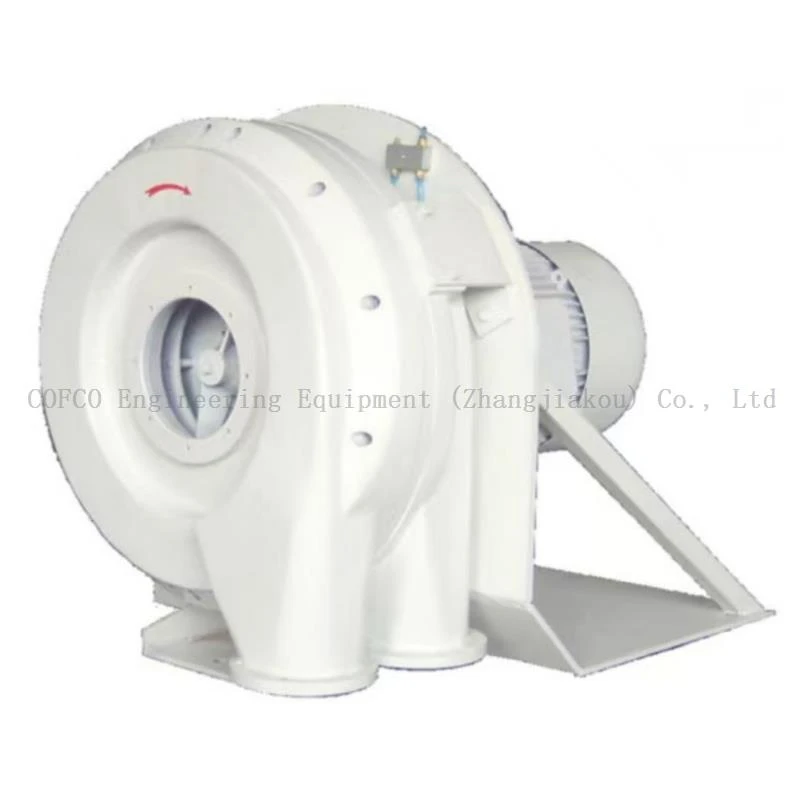
Let’s cut through the jargon for a second. A roller change dolly is basically a mobile, heavy-duty cart designed to lift, transport, and swap out large processing rollers—you know, the ones that flatten paper, bend steel, coat plastic film, or stamp out packaging. Before these dollies existed, workers would try to heft 500-, 1,000, even 2,000-pound rollers by hand or with clunky, one-size-fits-all cranes that took 20 minutes to set up every time. That’s a recipe for two things: workplace accidents, and quality mistakes you can’t afford.
Here’s where the quality control part kicks in, and it’s way more direct than you might think. Let’s start with accuracy. When a roller is installed in a production line, it has to be perfectly aligned. Even a 1mm shift can throw off the entire run: uneven coating on a roll of food-grade plastic that makes it unfit for packaging, smudges on printed newspaper pages, or wrinkles in steel sheets that get rejected downstream. When you use a manual lift or a bad crane, you’re guessing a lot. Workers jostle the roller, they don’t have stable points of reference to line it up with the machine’s mounting holes, and by the time they get it in place, they’re rushed. A roller change dolly, though? We design ours with built-in alignment guides, precision height adjustment, and lockable, non-slip bases that keep the roller steady while it’s being moved. Last year, I had a paper mill customer tell me that since they upgraded to our dollys, their roller installation error rate dropped by 78%. That’s not a stat pulled out of thin air—they tracked it for six months. No more bad batches because a roller was crooked.
Then there’s contamination, which is a huge, often overlooked quality control nightmare. Think about it: when a roller is exposed to dust, debris, or oil from a messy, unregulated work area during a swap, that material ends up on your production line. For a pharmaceutical packaging plant, a single speck of metal shavings from a dirty roller can contaminate an entire batch of pills, leading to recalls. For a food packaging facility, even a tiny amount of grease from a poorly maintained lift can make plastic film unsafe to use. Before roller change dollies, rollers would sit on the floor while workers fumbled with tools, picking up all kinds of gunk. Our dollies have enclosed, smooth surfaces that are easy to sanitize, and they have locking mechanisms that keep the roller covered during transport so it never touches the ground. A flexible packaging customer I work with in Texas told me they used to have to throw out 12 rolls a month because of contamination from roller swaps. Now that number’s down to less than one a quarter. That’s a cost saver no one talks about until it’s gone.
Wait, let’s not forget downtime, because downtime is quality control’s worst enemy. When you have to shut down a whole production line to swap out a roller, every minute counts. I’ve seen factories where a single roller swap took two hours with old equipment—two hours that could have been spent making product, but instead were wasted on fighting a crane that wouldn’t line up, a roller that slipped, or a worker who had to rush because they were running out of time. A good roller change dolly cuts that swap time down to 10, 15 minutes, max. But here’s the quality control angle on that: when you don’t have to rush the swap, you take the time to inspect the old roller before you pull it out, and check the new one before you put it in. You can spot small wear and tear on a roller before it turns into a big defect, or see that a new roller has a tiny scratch that would ruin a whole run. If you’re in a hurry, you skip that step, and suddenly you’ve got a batch of bad product heading out the door.
I know what some of you are thinking: “Can’t we just use a forklift for this?” Yeah, you can. But forklifts are for pallets, not for delicate, precision-engineered rollers. They’re big, they’re bulky, and they require a trained operator to get within inches of a production line. That’s another source of error: a forklift driver bumping a line so hard it knocks a guide rail out of place, or a roller shifting during transport and getting scratched. Roller change dollies are designed to fit right up to a production line’s mounting points, no extra space needed. They have low-profile bases that let you slide a roller straight into place, no awkward angles. We even make custom-sized dollies for lines that are tighter than standard, which solves so many problems with misalignment.
Let me share a quick story that drove this home for me. A few years back, I was visiting a steel mill in Ohio that was having a ton of quality issues with their cold-rolled sheets. They were rejecting 15% of their product per run because of surface imperfections, and no one could figure out why. The maintenance team thought it was the coating chemicals, the line pressure, everything except the roller swaps. When I asked how they changed rollers, they showed me: two guys using a manual winch to pull the old roller out, dragging it across the floor on a dolly that had worn-out wheels, and then trying to hoist the new one into place with a crane. The roller was bouncing the whole time, picking up bits of floor dust, and they were always 10 minutes behind schedule, so they never checked the new roller for blemishes. We sent them one of our adjustable, sealed roller change dollies for a test. Three months later, they called me, and their rejection rate was down to 3%. The foreman told me half of that was because the roller was never bouncing during transport, and the other half was because they now had time to inspect every new roller before installing it. That’s the kind of impact this stuff has—no fancy tech, just a tool that makes a simple task less error-prone.
Now, I’m not here to pitch a sales job—well, not right now, anyway. My point is that quality control isn’t just about lab tests or strict manufacturing specs. It’s about the small, mundane steps that happen every day on the production floor. A good roller change dolly is one of those steps. It’s not going to fix your entire operation, but it will eliminate a whole set of avoidable mistakes that end up costing you money, time, and your reputation.
Here’s the thing I’ve learned over the years as a supplier: the best tools are the ones that people don’t notice until they don’t have them. You don’t brag about your roller change dolly at trade shows, but when you need to swap a critical roller in 10 minutes without ruining a run, you’re glad it’s there. You’re glad you didn’t cut corners and buy a cheap, flimsy cart that breaks after six months, or a one-size-fits-all model that doesn’t fit your line. You’re glad you invested in something that actually works, because when your quality team is breathing down your neck about bad batches, you don’t want to blame a tool that wasn’t up to the job.
So if you’re out there right now, staring at a stack of bad rejection reports, or watching your team rush through roller swaps because downtime is killing you, take a look at your roller change equipment. Chances are, the problem isn’t your team, it’s the tool you’re using. Roller change dollies aren’t just for moving heavy stuff—they’re a quiet line of defense for quality control, one roll at a time.
If you’re ready to stop dealing with installation errors, contamination, and slow swap times, and want to talk about what kind of roller change dolly would work best for your facility, feel free to reach out. No hard sell, just straight talk about what you need to get the job done right.
Plansifter References
- Occupational Safety and Health Administration (OSHA). (2022). Material Handling and Storage Guidelines for Industrial Facilities. U.S. Department of Labor.
- Paper, Film & Foil Converter. (2023). Quality Control Best Practices for Roller Installation in Converting Lines.
- Steel Plant Journal. (2024). Reducing Downtime and Rejections in Cold Rolling Operations.
- International Organization for Standardization (ISO). (2021). ISO 12100: Safety of Machinery – General Principles for Design – Risk Assessment and Risk Reduction.
COFCO Engineering Equipment (Zhangjiakou) Co., Ltd.
As one of the most professional roller change dolly manufacturers and suppliers in China, we also support customized service. Please feel free to wholesale advanced roller change dolly for sale here from our factory. Quality products and reasonable price are available.
Address: No.4 ZhongLiang Street, high-tech industrial development zone, Zhangjiakou, Hebei, PRC
E-mail: mayihui@cofco.com
WebSite: https://www.ceeflourmill.com/
