If you’ve ever walked around a construction site, an old warehouse, or even a brand-new residential development, you’ve probably seen those long, metal pipes running down the side of buildings—they’re called downspouts, and they’re basically the unsung heroes of a building’s drainage system. What you might not realize is that those smooth, consistent metal downspouts don’t just get cut from a sheet of metal in a factory; they’re made with a piece of equipment called a downspout cold roll forming machine. As a cold roll forming machine supplier, I deal with these machines every single day, and let me tell you, they’re way more interesting (and important) than they sound. Cold Roll Forming Machine

First, let’s break down what “cold roll forming” even means, because that term can sound like a bunch of jargon if you’re new to the industry. Unlike hot rolling, which uses heat to bend and shape metal, cold roll forming works at room temperature. That means we’re not melting or softening the metal with fire—instead, we use a series of custom rollers to slowly bend a flat metal coil into the exact shape you need. For downspouts, that’s usually a round or rectangular profile, with crisp edges, a tight fit, and no weak spots that would leak or break over time. And because we’re working cold, the metal stays strong, doesn’t warp, and keeps its finish—perfect for outdoor use where it has to stand up to rain, snow, and sun.
A downspout cold roll forming machine isn’t just one big block of metal; it’s a whole system made up of several key parts that work together like a well-oiled team. Let’s walk through how it works step by step, so you can see why it’s so crucial for making quality downspouts. The first part is the decoiler—this is where you load the raw metal coil (usually galvanized steel, aluminum, or sometimes copper, depending on the project) into the machine. The decoiler feeds the coil out slowly, so it’s perfectly straight before it hits the next stage. If the metal is even a little bent or uneven at this point, the whole downspout will be off, and it won’t attach properly to the building’s gutters.
Next comes the roll forming section, which is the heart of the machine. This is where the magic happens. Instead of trying to bend the metal all at once (which would cause cracks or uneven edges), the machine uses 10, 15, even 20 sets of small, precision-machined rollers. Each set bends the metal just a tiny bit more, so by the time it’s worked through all the rollers, it’s been transformed from a flat sheet into a full downspout profile. These rollers are custom-made for the exact downspout size you need—so if a construction crew needs 3-inch round downspouts for a residential neighborhood, we swap the rollers to match; if they need 4×5 inch rectangular downspouts for a big commercial building, we adjust accordingly. The precision here is non-negotiable—even a 1/16-inch difference in roller size can make a downspout too tight to fit a gutter or too loose and prone to falling off.
After roll forming, the next stop is the cut-off section. Once the downspout is the exact length the operator needs (you can adjust this in the machine’s control panel, no manual measuring required), the cut-off tool snips it cleanly at room temperature. We use a flying cut-off system most of the time, which means the machine is still running as the blade cuts—this speeds up production a ton, because you don’t have to stop the whole line every time you make a cut. No more waiting around for the machine to reset; we can crank out downspouts in minutes instead of hours. And since we’re cutting cold, there’s no burr or rough edge that would cause corrosion or make installation messy—another win for long-term durability.
Now, you might be wondering: why use a downspout cold roll forming machine instead of just buying pre-made downspouts from a store? Let’s talk about the perks, because that’s a big question for contractors and building owners alike. First, it’s way more cost-effective for large projects. If you’re building a 100-home subdivision, you don’t want to drive to a supply yard every other day to pick up pre-made downspouts, pay for delivery each time, and deal with shortages. With your own cold roll forming machine (or the ability to rent one from a supplier like me), you can make downspouts on-site, exactly when you need them, in any size or length. No waste, no extra delivery fees, no waiting for backorders.
Second, customization. Pre-made downspouts only come in a handful of standard sizes, but what if a building has a weird corner that needs a slightly smaller downspout? Or what if the architect designed a custom curved downspout for a high-end office building? A cold roll forming machine can be adjusted to make almost any profile you need—round, rectangular, even square with rounded corners. You can also choose the finish: powder-coated aluminum for a sleek look, galvanized steel for industrial strength, copper for that classic, weathered aesthetic. Pre-made downspouts can’t compete with that level of flexibility.
Third, quality control. When you make downspouts in a controlled factory or on-site environment, you can check every step of the process. With a good cold roll forming machine, you’ll get consistent, uniform downspouts every single time—no lopsided edges, no uneven thickness, no weak spots. Pre-made downspouts sometimes have flaws from mass production, but when you’re making them yourself, you catch issues before they leave the machine. That means fewer callbacks from customers who say their downspouts are leaking or falling off, which is a huge win for contractors’ reputations.
Wait, but let’s be real—downspout cold roll forming machines aren’t for everyone. If you’re a small home contractor who only does a handful of jobs a year, buying a machine might not make sense. But for mid-sized contractors, building companies, or even sheet metal shops that want to add downspouts to their product line, it’s a game-changer. And that’s where I come in: as a cold roll forming machine supplier, I don’t just sell you a machine and disappear. I help you figure out if a downspout machine is the right fit for your business, customize it to your specific needs, train your operators on how to use it, and offer ongoing support if anything goes wrong.
Let’s also clear up some common myths about these machines. A lot of people think they’re super complicated, like something only aerospace engineers can operate, but that’s not true. Modern downspout cold roll forming machines have digital control panels that are easy to learn—you input the size and length you want, and the machine does the rest. You don’t need a degree in engineering to run it, just a little bit of basic training. Another myth is that they’re too big to move around—some of them are portable, even! If you’re a contractor who works on multiple job sites, you can get a mobile downspout forming machine that fits on a truck, so you can make downspouts right at the site, no need to haul materials back and forth. That’s a huge perk for small to mid-sized jobs where space is tight.
So what do you need to look for if you’re in the market for a downspout cold roll forming machine? Let’s break down the key features. First, the roller quality. Cheap rollers are made of soft steel that wears out quickly, which means your downspouts will start to have uneven edges after a few months. Look for machines with rollers made of hardened tool steel, sometimes with chrome plating for extra durability. That might cost a little more upfront, but it’ll save you money in the long run because you won’t have to replace rollers every year.
Next, the control system. Digital controls are way better than old manual ones because you can save different settings for different downspout sizes. That means if you switch from 3-inch round to 4×5 inch rectangular, you don’t have to adjust every roller by hand—just pull up the saved setting. Some machines even have sensors that detect if the metal is running unevenly, so it stops automatically to prevent mistakes. That cuts down on waste, which is great for your bottom line.
You also want to think about production speed. How many downspouts can the machine make per minute? For most small to mid-sized businesses, a machine that makes 15 to 20 feet per minute is more than enough, but if you’re doing big commercial jobs, you might want something faster. Just remember: faster isn’t always better if it means sacrificing quality. A machine that makes downspouts too quickly might have uneven bends or rough cuts, so balance speed with precision.
And let’s not forget after-sales support. A machine is only as good as the company that backs it up. If a part breaks, you don’t want to wait two weeks for a replacement from a supplier across the world. Look for a supplier that stocks common parts locally, offers training for your team, and has a customer support line that’s actually staffed when you call. That’s why I prioritize that with every machine I sell—because I know if your machine is down, your business is down.
Now, let’s talk about where these machines are used. You’ll find them on residential construction sites making downspouts for single-family homes, apartment buildings, and townhouses. They’re in commercial sites making downspouts for office parks, retail centers, and warehouses. Even industrial sites use them for large drainage systems that can handle heavy rain or snow runoff. And like I said before, some small shops use them to make custom downspouts for historic buildings, where you need a specific profile to match the original architecture.
One thing I love about this industry is that cold roll forming is such a sustainable process. Because it’s done at room temperature, it uses way less energy than other metal shaping methods, like hot forging or welding. And since you’re making downspouts on-site, you don’t have leftover metal sheets being shipped back and forth, which cuts down on transportation emissions. Plus, any small offcuts from the machine can be recycled, so there’s almost no waste. It’s a win for your business and the planet.
I’ve been working as a cold roll forming machine supplier for over a decade, and one thing I’ve learned is that a lot of people don’t realize how much goes into a simple downspout. When a homeowner looks at a sleek, rust-free downspout on their house, they just see a pipe. But that pipe is the result of precision engineering, careful setup of a roll forming machine, and quality parts that will last 20, 30, even 40 years. It’s not just a metal tube—it’s a system that protects the building’s foundation from water damage, which is one of the biggest causes of structural issues for homes and businesses.
So if you’re a contractor, a construction company owner, or a sheet metal business looking to expand your offerings, a downspout cold roll forming machine might be exactly what you need to grow. It’s an investment that pays for itself quickly, gives you the flexibility to take on more jobs, and helps you deliver a higher quality product to your customers. And if you’re just curious about how these machines work, I’m always happy to walk you through the process, show you examples of downspouts we’ve made, and answer any questions you have.
At the end of the day, the goal of a downspout cold roll forming machine is simple: make durable, consistent, custom downspouts efficiently. Whether you’re working on a small residential remodel or a 50-story office building, the right machine can make all the difference in your project’s timeline, your budget, and your customer’s satisfaction.
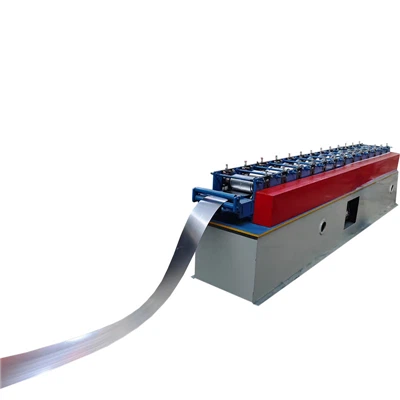
If you’re ready to learn more about what a downspout cold roll forming machine can do for your business, or if you have questions about specs, pricing, or support, feel free to reach out and connect. I’m here to help you find the right solution for your needs, no matter how big or small. Don’t hesitate to get in touch to discuss how we can work together to grow your business.
Shearing Machine References
- Halmos, L. (2013). Cold Roll Forming: Theory and Applications. Elsevier.
- Smith, M. (2021). "Benefits of On-Site Downspout Manufacturing for Construction Projects." Journal of Sheet Metal Fabrication, 45(2), 112-118.
- American Society of Mechanical Engineers (ASME). (2019). Standard for Cold Roll Forming Machine Design and Safety. ASME Press.
- Johnson, R. (2020). "Sustainability in Metal Fabrication: Cold Roll Forming vs. Traditional Methods." Industrial Metal News, 28(4), 67-72.
- National Association of Home Builders (NAHB). (2022). "Guide to Drainage Systems for Residential Construction." NAHB Research Center.
Wuxi Yuanding Machinery Manufacturing Co., Ltd.
We’re well-known as one of the leading cold roll forming machine manufacturers and suppliers in China, also support customized service. Please feel free to buy advanced cold roll forming machine made in China here from our factory. For pricelist, contact us now.
Address: Yaguang Industrial Park, No.88 Chaoyang South Road, Xishan District, Wuxi City, Jiangsu Province
E-mail: 13861798466@163.com
WebSite: https://www.wxyuanding.com/
