If you’ve ever stood in a processing plant at 2 a.m., hearing the distant clank of a slurry pump going down, you know how expensive a bad seal can get. Over my 12 years as a slurry pump supplier, I’ve seen far too many operations throw away production hours, blow out budgets on emergency part replacements, and even damage entire pump housings because they picked the wrong seal type for their specific slurry. Let’s break down the most common slurry pump seal types, what they’re for, and when you might want to reach out to us at our company to talk about sizing and matching the right one for your application. Slurry Pump
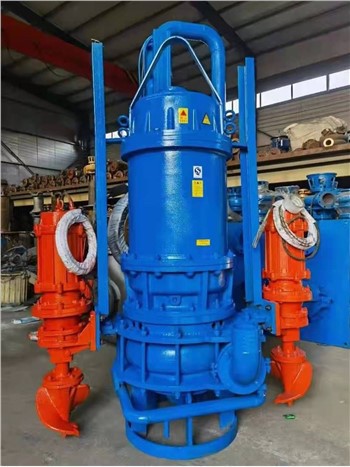
Slurry is a messy, unforgiving material. It’s not just thin, smooth liquid—it’s a mix of water, solids like ore, coal, sand, or construction waste, and sometimes chemicals that eat away at metal and rubber. Unlike clean water pumps, slurry pumps’ seals have to do more than just stop a leak; they have to keep coarse, abrasive solids from grinding into the pump shaft, resist corrosion from harsh slurries, and hold up under constant, high-pressure operation. A standard water pump seal will die in a slurry in days, if not hours, which is why there are specialized seal types built exactly for this job.
Let’s start with the most common seal I see suppliers and plant managers reach for first: the mechanical seal. Wait, I know what you’re thinking—“mechanical seals are mechanical, right?” But not all mechanical seals are made for slurry. A basic mechanical seal works by two smooth faces pressing together to create a barrier between the inside of the pump (where the slurry is) and the outside (where the operator is standing). For clean water, these faces can be ceramic or carbon, but for slurry, we upgrade that to materials like silicon carbide or tungsten carbide, which are way more resistant to abrasion.
But here’s the big thing about slurry mechanical seals: they need buffer fluid. You can’t just run one dry. The buffer fluid fills the cavity between the mechanical seal and the slurry, keeps solids from getting between those two smooth faces that are spinning against each other, and lubricates the seal. The buffer fluid isn’t clean water, either—usually it’s a filtered version of the process slurry, or sometimes a compatible chemical solution depending on what you’re pumping. I’ve had clients come to us complaining that their mechanical seals only lasted a week, and nine times out of ten, they were using unfiltered water as buffer fluid, so tiny solids were getting in and grinding the seal faces flat. When we switched them to a properly filtered buffer system, their seal life jumped to six months. That’s the difference between matching a seal to the application and just grabbing whatever’s on the shelf.
Now, if you’re pumping extremely coarse slurry, or a slurry that has high concentrations of large solids (like tailings from a gold mine or crushed rock for a cement plant), mechanical seals might not be enough. That’s where the next type comes in: the expeller seal. An expeller is a kind of centrifugal seal, not a contact seal like a mechanical one. It looks like a small, curved blade attached to the back of the pump’s impeller. As the impeller spins, these curved blades push the slurry outward, away from the shaft, creating a low-pressure zone right at the seal area. No contact means no wear, right? That’s the big plus for expellers—they don’t have faces grinding together, so they last much longer in super abrasive, high-solid slurries.
But expellers aren’t perfect. They don’t work well with slurries that have high pressure, because if the pressure is too high, it can push slurry past the expeller blades and into the shaft area. They also don’t handle fine, sticky slurries very well—fine particles can get stuck in the blade gaps and stop the expeller from working. I worked with a sand and gravel plant two years ago that was using mechanical seals that burned out fast in their 60% solids sand slurry, so we switched them to an expeller seal. Their seal life went from 10 days to almost a year, but they had to upgrade their pump to a lower-pressure model for that application, because the expeller couldn’t hold back their 150 PSI slurry. That’s the tradeoff to keep in mind.
Another seal I see frequently, especially in smaller operations or applications where buffer fluid isn’t available, is the gland packing seal. Gland packing is a braided material, usually made from things like graphite, aramid fiber, or rubber, that’s wrapped around the pump shaft and squeezed tight with a gland follower. As it squeezes down, the packing expands and presses against the shaft, creating a barrier to stop slurry from leaking out. It’s cheap, it’s simple to install and replace, and it doesn’t need any buffer fluid or extra systems, which is why it’s so common in small mines, construction sites, or temporary pumping applications.
But gland packing has its downsides, too. First, it leaks—you have to have a small, controlled amount of leakage (usually a few drops per minute) to keep the packing lubricated. If you squeeze it too tight, it wears out the shaft fast; too loose, and slurry leaks all over the place, creating a slip hazard and wasting product. I’ve seen a construction site where the gland packing was so loose, it was leaking enough slurry to fill a 5-gallon bucket every hour. That’s not just a mess—it’s lost raw material, which adds up fast. Also, in high-pressure or high-abrasion slurries, gland packing can wear out in a matter of days, since the braided material gets ground down by the solids. It’s a good short-term fix, but not ideal for long-term, high-volume operations.
Then there’s the newer kid on the block, the cartridge seal. A lot of suppliers try to sell cartridge seals as the end-all-be-all, and honestly, for some applications, they are. A cartridge seal is a pre-assembled unit that comes completely set up, ready to bolt onto the pump shaft—no measuring, no custom fitting, no guesswork. It combines the mechanical seal faces, the seal housing, and the mounting hardware all into one sealed cartridge, so there’s no way to misalign it during installation. That’s a huge win for maintenance teams who don’t want to spend hours adjusting a mechanical seal or gland packing.
The catch with cartridge seals is price. They cost two to three times more than a basic mechanical seal, and if something goes wrong with even one small part of the cartridge, you usually have to replace the whole unit instead of just the seal faces. But for operations that value uptime, the extra cost is worth it. A friend who runs a phosphate mine told me they went from taking 8 hours to replace a custom mechanical seal to 15 minutes with a cartridge seal, which meant they got their pump back online fast and avoided thousands of dollars in lost production. The only downside I’ve seen with cartridge seals in slurry applications is that they still need buffer fluid, same as regular mechanical seals, so if you don’t have a buffer system, they’re not going to work for you.
Wait, I almost forgot about another type that’s super important for specific industries: the double mechanical seal. Single mechanical seals only have one set of seal faces, right? Double seals have two sets, and the space between them is pressurized with a clean, compatible buffer fluid. Why? For slurries that are toxic, explosive, or highly valuable. If a single seal fails, slurry can leak out, which is dangerous if it’s something like cyanide in a leach mine, or a huge financial loss if it’s a precious metal slurry. Double seals create a second barrier, and the buffer fluid system has a leak detector that will tell you if the inner seal fails before slurry gets out. I worked with a copper mine that was running a slurry that contained cyanide, which would kill any nearby wildlife if it leaked. They were using single mechanical seals that would occasionally fail, leading to spills, so we switched them to double mechanical seals. They haven’t had a leak in three years, and the leak detector gives them a 2-week heads-up when the inner seal is starting to wear, so they can schedule a replacement during planned downtime, not an emergency shutdown.
Now, here’s the thing I wish more plant managers understood: there’s no “best” seal type for all slurry pumps. A seal that works great for a coal mine might die in a chemical processing plant, and a seal that’s perfect for a low-solids water slurry will fall apart in a high-abrasion sand slurry. I’ve had clients call me panicking because their new pump’s seal only lasted two days, and when I ask them what they’re pumping, I find out they’re running 70% solids granite slurry through a pump with a basic gland packing seal. That’s a mismatch. It’s not that the seal is bad—it’s that it’s the wrong seal for the job.
When we work with clients, the first thing we ask is what exactly they’re pumping. What’s the solid concentration? What’s the size of the largest solids? What’s the pressure of the pump? Is the slurry corrosive? Do they have a buffer fluid system? How often do they want to replace seals, and how much downtime can they afford? Those questions make all the difference. Last year, we had a client in a lithium processing plant who was running fine, high-clay slurry that was sticky and prone to clogging their old mechanical seals. We ended up recommending a modified expeller seal with a special surface treatment on the blades to keep clay from sticking. It’s not a standard expeller, but it was exactly what they needed, and their seal life went from 2 weeks to 10 months.
I also want to talk about maintenance, because even the best seal will fail if it’s not taken care of. Too many operations just replace seals when they break, without checking the rest of the pump. For mechanical seals, that means making sure the buffer fluid is filtered and at the right pressure. For gland packing, that means adjusting the follower evenly, not tightening it so much it wears the shaft. For expellers, that means checking the blades for clogging every shift, especially with sticky slurries. A few small maintenance steps can double or triple your seal life, which saves you a lot of money in the long run.

If you’re currently dealing with frequent seal failures, lost production hours, or unexpected maintenance costs from your slurry pumps, I’m here to help. We work with all kinds of operations, from small construction companies to large mining and processing plants, to match the right seal type to your specific application. Whether you need help sizing a new pump seal, troubleshooting an existing seal issue, or looking for a reliable supplier for replacement parts, feel free to reach out. Don’t let bad seals run your operation into the ground—let’s get you the right solution that keeps your pumps running smoothly and your production on track.
Submersible Gravel Pump References:
- Hellier, A. (2001). Handbook of Pumping Machinery. McGraw-Hill Professional.
- Karassik, I. J., McGuire, R. L., & Messina, J. P. (2007). Pump Handbook (4th ed.). McGraw-Hill.
- Crowe, C. T., Sommerfeld, M., & Tsuji, Y. (2011). Multiphase Flows with Droplets and Particles (2nd ed.). CRC Press.
- American Water Works Association. (2019). Water and Wastewater Pumping Station Design (3rd ed.). AWWA.
- Slurry Transport Association. (2020). Slurry Pump Seal Design and Application Guidelines. Slurry Transport Association.
Hebei Tongda Pump Co., Ltd.
Hebei Tongda Pump Co., Ltd. is well-known as one of the leading slurry pump manufacturers and suppliers in China. Our factory offers high quality slurry pump made in China with competitive price. Welcome to contact us for pricelist.
Address: No.158, Bo Ming Xi Lu, Boye County, Baoding City, Hebei Province
E-mail: wendy@hbtdby.com
WebSite: https://www.waterpumpmanufacturer.com/
