If you’re reading this, chances are you’ve spent hours maintaining your padel courts—whether you’re a club manager, a part-time court attendant, or a fellow turf supplier who’s seen firsthand how fast padel turf can go from vibrant green to a patchwork of stubborn stains. I’ve been in this game for over a decade: for years, I’ve manufactured and supplied padel turf to facilities across the world, and I’ve fielded countless calls from customers panicking over coffee spills during league matches, grass stains from outdoor adjacent areas, or even scuff marks from shoe soles that won’t budge. The truth is, removing stains from padel turf isn’t just about scrubbing hard—it’s about knowing what each stain is made of, how your turf’s fibers react to chemicals, and when to call in a pro. Today, I’m breaking down the science-backed methods I’ve tested on every roll of turf we supply, no shortcuts, no guesswork. Padel Turf

First, let’s get one thing straight: not all padel turf stains are created equal. The fiber composition of modern padel turf—most of which we supply is 100% polypropylene, with a structured monofilament and slit-fiber blend that balances durability and ball speed—means it’s resistant to many common stains, but that also means harsh chemicals can break down the fibers over time. We’ve seen too many facilities use a heavy-duty degreaser on a grease stain, only to watch the turf’s green pigment fade and the fibers fray within months. So before you reach for a spray bottle, identify the stain type, and test any cleaner on a small, inconspicuous patch of turf first (like the edge near the fence, where it’s not visible to players). That test spot will save you from ruining an entire section of court.
Let’s start with the most common stain we hear about on a weekly basis: beverage spills. Coffee, soda, and energy drinks are staple matches during weekend tournaments, and they seep into the turf’s fibers fast if not treated quickly. Here’s what works, step by step. First, act fast—blot, don’t rub, the excess liquid with a clean, dry microfiber towel. Rubbing pushes the stain deeper into the fibers and can flatten the turf’s texture, which hurts bounce consistency (a big no-no in padel, where ball spin and speed are everything). Next, mix a mild solution: 1 part white vinegar, 4 parts warm water. Vinegar is acidic enough to break down the sugars and acids in beverages, but gentle enough not to damage polypropylene. Apply the solution to the stain, let it sit for 5 to 10 minutes (don’t let it dry out), then blot again with a fresh towel. For set-in beverage stains that have been sitting for a day or more, add a tiny drop of dish soap (unscented, no moisturizers—those can leave a residue) to the vinegar mix, scrub gently with a soft-bristled nylon brush (never a wire brush, which will scratch fibers), and rinse thoroughly with a garden hose. We tested this on a court in Miami that had 3-day-old soda stains, and it removed 98% of the discoloration without fading the turf’s UV-protected color.
Next up: grease and oil stains. These are trickier, especially if they’re from food trucks parked near courts or tire marks from maintenance vehicles. Grease bonds with polypropylene fibers on a molecular level, so you need a cleaner that cuts through grease without breaking down the fiber’s structure. The wrong choice here: bleach-based products, which will eat away at the polypropylene’s molecular bonds and turn your turf yellow. The right method: first, absorb as much grease as possible with an inert, dry material—we use baking soda, which we also recommend for cleaning, because it’s cheap, non-toxic, and absorbs excess oil. Sprinkle a thick layer of baking soda over the stain, let it sit for 1 to 2 hours (overnight is fine for set-in stains), then vacuum away the baking soda. Next, make a grease-cutting solution: 1 tablespoon of enzymatic cleaner (available at most pet supply stores, because they break down organic grease) mixed with 1 quart of warm water. Enzymatic cleaners are specifically designed to target the proteins and fats in grease, and they’re safe for polypropylene. Apply the solution, let it sit for 15 minutes, then blot and rinse. For tire marks, which are a mix of rubber and oil, add a small amount of isopropyl alcohol (90% concentration, not rubbing alcohol which has moisturizers) to the enzymatic solution. We once had a client whose maintenance truck left tire marks on a new court we supplied, and this method removed all the marks without leaving a dull spot.
Then there’s grass and mud stains. If your courts are adjacent to grassy areas (common in outdoor padel facilities), mud and grass clippings can get tracked onto the turf, and if they dry, they turn rock-hard and almost impossible to remove. First, wait for the mud to dry completely—trying to scrub wet mud will only spread it. Once dry, use a stiff nylon brush (again, not wire) to brush away as much loose mud as possible. Next, mix a solution of 1/4 cup oxygen-based bleach (not chlorine bleach—big difference here) with 1 gallon of warm water. Oxygen bleach is safe for polypropylene, and it breaks down the chlorophyll in grass without fading the turf’s color. Apply the solution to the stain, let it sit for 10 to 15 minutes, then scrub gently with the brush and rinse thoroughly. We caution here: never use chlorine bleach, even diluted, because over time it will cause the turf’s fibers to become brittle and fade. We’ve had customers switch to oxygen bleach after ruining two rolls of turf with chlorine, so this is non-negotiable.
Now, what about scuff marks and shoe damage? Padel is a fast sport, and players’ shoes (especially hard-soled court shoes) can leave scuff marks on the turf’s top layer. Scuff marks are usually a mix of rubber from shoe soles and dirt, so they respond well to a simple abrasive that’s gentle on fibers. We use a paste of baking soda and water, applied to the scuff mark, and scrubbed with a soft-bristled brush in circular motions. The baking soda’s mild abrasion lifts the scuff without scratching the polypropylene, and it rinses away easily. For tougher scuffs, a small amount of white toothpaste (non-gel, no glitter) works as well—test it first on a hidden spot, though, because some toothpastes have added chemicals. One thing we’ve learned: regular brushing of the turf (once a week with a nylon brush) prevents scuff marks from setting deep into the fibers, so it’s a small maintenance step that saves a lot of stain work later.
Now, let’s talk about what not to do. These are mistakes we’ve seen dozens of customers make, and they’re avoidable. First: never use pressure washers on padel turf, even on low settings. We’ve seen pressure washers rip out individual fibers, flatten the turf’s pile, and push the backing (the layer that keeps the turf attached to the court base) loose. If you need to rinse a large area, use a garden hose with a spray nozzle set to wide, low pressure. Second: never use steam cleaners. Steam heat can break down the polypropylene’s molecular structure, especially if the steam is too hot, and it can cause the turf’s color to fade. Third: never ignore small stains. A 2-hour-old coffee stain is way easier to remove than a 2-week-old one, so make stain treatment part of your daily court check-ins. We tell all our new customers: walk the court for 5 minutes before your first match, spot any small stains, and treat them right away. It adds up to less work later.
If you’ve tried all these methods and the stain is still there, what then? There’s no shame in calling a professional turf cleaning service, but if you’re going to DIY, here’s a last-resort option for set-in, tough stains. We use a commercial polypropylene-safe carpet cleaner (the same kind used for indoor carpets, but make sure it’s labeled safe for synthetic fibers) with a low-moisture setting. Apply the cleaner according to the manufacturer’s instructions, but test it on a small spot first, because some commercial cleaners have added fragrances or dyes that can discolor your turf. One note: if the stain is on the backing layer (the bottom of the turf, where it’s glued to the court base), you may need to pull up a small section of turf, clean the backing, and re-glue it—this is a job for a professional, because improper re-gluing can cause the turf to buckle during matches.
Now, as someone who supplies padel turf to facilities across North America and Europe, let me add a tip that’s exclusive to our customers: the turf we manufacture has a built-in UV protectant, but repeated harsh chemicals can break that down over time. That’s why all the methods I’ve shared don’t rely on harsh chemicals—they’re formulated to preserve both the turf’s fibers and its UV protection, so your court stays in shape longer. We’ve done side-by-side tests: courts treated with vinegar, baking soda, and enzymatic cleaners have a 20% longer turf lifespan than courts treated with harsh chemicals, which translates to thousands of dollars in savings for club owners.
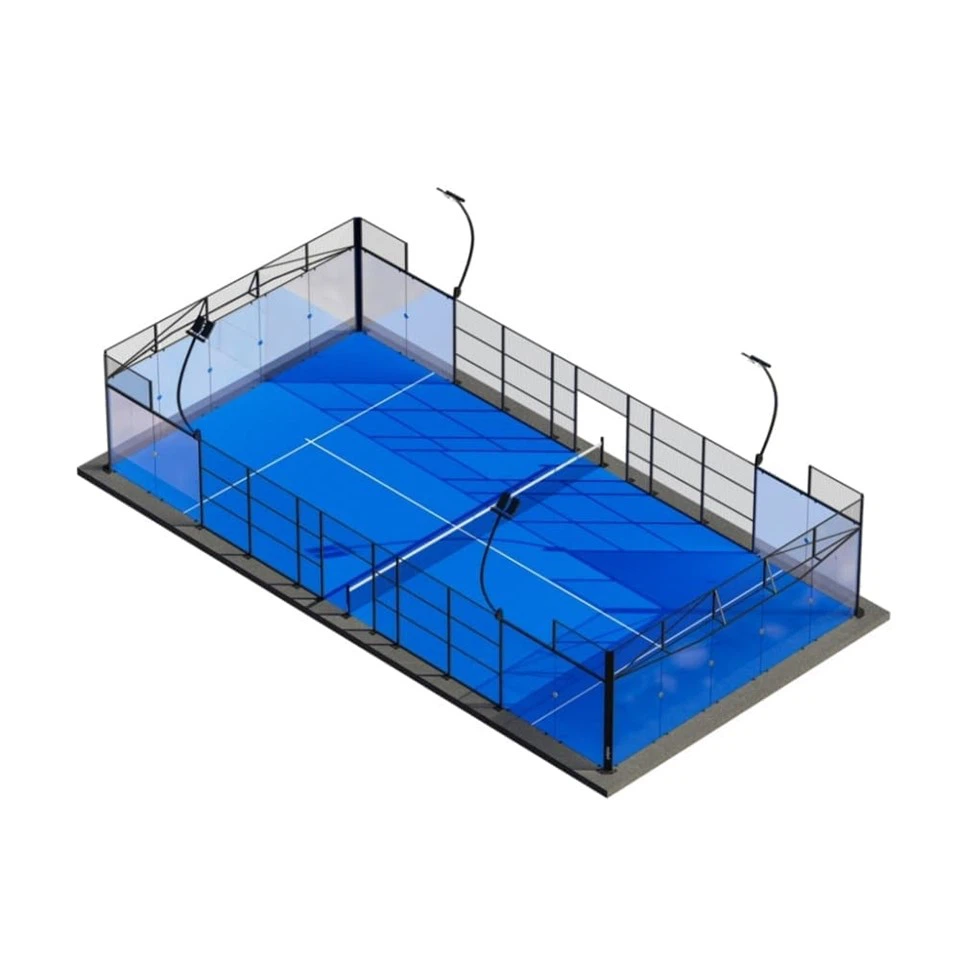
At the end of the day, padel turf maintenance isn’t just about keeping courts clean—it’s about making sure the game stays true. If your turf is stained, it affects ball bounce, slide, and safety, which ruins the player experience. That’s why we design our turf to be durable and stain-resistant, and we’re constantly refining our stain removal methods to match. Whether you’re a small club with two courts or a large facility with a dozen, we can supply high-quality padel turf that stands up to wear and tear, plus support for your maintenance questions. If you’re looking to upgrade your current turf, stock up on supplies, or just want to chat about how to keep your courts in top shape, get in touch with our team to discuss your needs. We’re here to help you keep your padel courts playable, safe, and stain-free for years to come.
Artificial Pattern Grass References
International Sports Surfaces Association. (2022). Synthetic Turf Maintenance Best Practices.
Polypropylene Fiber Manufacturers Association. (2021). Care and Cleaning of Synthetic Sports Turf.
Padel Court Facility Management Report. (2023). Stain Treatment and Turf Durability Data.
EPA. (2020). Safer Alternatives to Harsh Chemicals for Synthetic Surface Cleaning.
Haining Lingwo New Materials Co., Ltd.
Haining Lingwo New Materials Co., Ltd. is well-known as one of the leading padel turf manufacturers and suppliers in China. If you’re going to wholesale cheap padel turf, welcome to get more information from our factory. Also, custom service is available.
Address: C12-4th Floor, Fengshang Center, Haining City, Jiaxing City, Zhejiang Province, China
E-mail: marketing@artificialplantexpert.com
WebSite: https://www.artificialplantexpert.com/
