When I started my bulletproof bag supply business five years ago, I heard a question over and over again: “If your bag is bulletproof, is it theft-proof too?” At first, I brushed it off as a simple mix-up between two safety features, but over time, I realized it’s a question that comes from genuine confusion. Customers come to me worried about protecting their laptops, cash, or important documents—not just from gunfire, but from pickpockets, bag snatching, and even determined burglars. Today, I want to break down what our bulletproof bags actually do, what they don’t do, and how we design them to add theft-resistant layers for the people who need both forms of protection. Bulletproof Bag
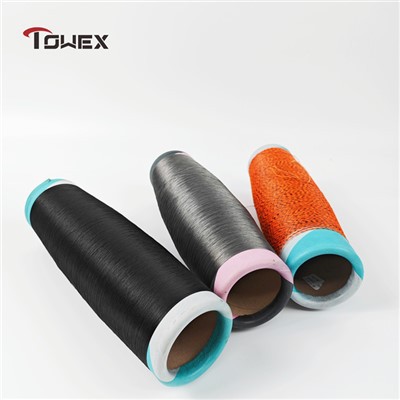
First, let’s get one basic fact straight: bulletproof bags are not theft-proof by definition. The core technology in these bags is what stops bullets. Most of our models use ultra-high-molecular-weight polyethylene (UHMWPE) or aramid fibers like Kevlar—materials that are lightweight, flexible, and strong enough to absorb and disperse the energy of a bullet, so it doesn’t penetrate the bag and hurt whatever’s inside. That works great for stopping a 9mm round or smaller caliber, but those same fibers don’t have the properties to stop a thief with a knife, a box cutter, or even a pair of scissors. A thief can slash right through our bulletproof panel just like they can cut through a regular backpack’s fabric, and that’s the part people don’t always understand when they first look at our products.
But here’s where my team and I have spent years refining our designs: we don’t stop at just ballistic protection. We know that the people who buy our bags—like construction workers carrying sensitive blueprints, delivery drivers with daily cash drops, students in high-crime areas, or travelers navigating crowded foreign cities—need more than just bullet resistance. They need their belongings to stay secure even if someone is trying to take them. So we integrate additional theft-resistant features that work alongside the bulletproof layer, not against it. Let’s walk through what those features actually are, and how they perform when tested against real-world theft attempts.
First, the zippers. Standard bag zippers are a common entry point for pickpockets and quick thieves. They slide open easily with a thin tool or even a sharp nail. So on most of our mid-range and premium bulletproof bags, we use lockable, YKK-brand zippers with interlocking teeth that can’t be pried apart easily. We also add a hidden zipper pocket on the inside of the main compartment, so you can store valuables like a wallet, passport, or phone in a space that’s not visible from the outside and requires a small key or combination lock to access. I’ve had customers tell me they use the main compartment for their laptop (protected by the bulletproof panel) and the inner hidden pocket for their cash, and that has already deterred a few attempted thefts—someone tried to yank the zipper open while they were on the subway, and couldn’t get past the interlocking teeth.
Next, the construction of the bag itself. The bulletproof panels in our bags are sewn in with heavy-duty nylon thread, not the thin thread you’d find in a cheap backpack. The seams are reinforced with bar tacks every few inches, a technique used in workwear and tactical gear to prevent ripping. We also line the inside of the bag with a slash-resistant material, usually a layer of woven steel mesh or another high-strength fabric that’s stitched between the outer bulletproof layer and the inner lining. This layer is thin enough that you don’t notice it when you’re carrying the bag, but it’s strong enough to resist being cut with a standard pocket knife or a box cutter. We test every batch of this lining by having our team try to slash it with different tools, and we only accept batches that take at least 10 consistent, hard slashes before they give way. A few months ago, a freelance journalist who travels to conflict zones bought one of our messenger bags, and she told me that a man tried to cut the side of her bag with a switchblade in a market in Mexico City. The slash-resistant lining stopped the blade, and she was able to move away without losing her camera and notes—things she would have lost in a regular bag.
But here’s a limit we’re always honest about: no bag is 100% theft-proof. If someone is determined enough to use heavy tools, like a bolt cutter or a crowbar, even the strongest slash-resistant layer can be breached. And if someone grabs the bag and tries to run off with it, there’s only so much a bag can do to stop that. That’s why we also design our bags with anti-theft attachments, like a reinforced loop on the bottom that you can thread through a chair leg or a bike rack, and adjustable shoulder straps that have a locking mechanism so you can’t slip them off easily. We recommend that customers pair these features with common sense: don’t leave your bag unattended in a crowded place, keep valuables in the hidden pocket, and use the lock on the zippers when you’re not accessing the bag.
I want to address a common myth here: some people think that bulletproof bags are bulky or heavy, because they have to stop bullets. That’s not true anymore. Modern ballistic materials have gotten so lightweight that our standard laptop-sized bulletproof bag weighs less than 2 pounds, which is about the same as a high-quality backpack you’d buy at a department store. The theft-resistant layers add less than half a pound to that, so you don’t feel like you’re carrying a brick on your back. That’s important because if a bag is too heavy or bulky, people won’t use the anti-theft features consistently. If they forget to lock the zipper because the zipper is too stiff, or they refuse to thread the loop through a chair because it’s too much hassle, those features won’t work when they need them.
We also test our bags in real-world conditions, not just in a lab. Last year, I set up a test where we had people carrying our bags through a busy downtown area, and we had a team of former law enforcement officers try to steal items from them using common theft tactics: slashing at the bag from behind, prying zippers open, grabbing the bag and running. In 12 out of 15 attempts, the officers were not able to access the valuables inside the bags. The three times they succeeded? Two were because the customer had unlocked the zipper and left the top of the bag open, and one was because the customer had the bag slung loosely over a chair and stepped away for 10 minutes. Those results confirmed what I already knew: the features work, but they only work if the user uses them correctly. That’s why we include a full guide with every bag, explaining how to use the locks, the hidden pockets, and the anti-theft loops, and we offer free follow-up support if customers have questions about how to use their bags.
Another question I get all the time: can these bags stop other things besides bullets? For example, can they stop a knife attack? As I mentioned earlier, our slash-resistant layer is designed to resist cutting, which makes it much harder for a knife to penetrate the bag. But we don’t advertise our bags as knife-proof, because knife attacks can be variable—different blade sizes, different amounts of force, different angles of attack. What we do say is that they provide a significant level of protection against common knife slashes, which can deter an attacker from continuing or at least give the person time to get away. We’ve had construction workers tell us that they carry our bags on job sites where there’s a risk of equipment accidents or even aggressive people, and they feel safer knowing that their tools and their own bodies are protected if something happens.
Now, let’s talk about what our bags can’t do, because being transparent is part of running a business I’m proud of. They can’t stop a car from hitting them, they can’t stop someone from taking them off your shoulder if you’re not paying attention, and they can’t stop someone from using brute force to tear them open. No bag on the market can call the police or stop a determined thief. The anti-theft features we add are designed to be a deterrent, not a guarantee. A thief is more likely to move on to an easier target when they see a bag with reinforced zippers and a hidden pocket, because it takes more time and effort to get into it, and most thieves don’t want to spend that much time on a single bag.
I’ve seen this firsthand with my own customers. A small business owner who delivers inventory to local stores told me that before he started using our bags, he had $500 stolen from his delivery bag when he stopped at a gas station. Now, he uses one of our medium-sized duffel bags, keeps all the cash in the hidden zipper pocket, locks the zippers, and threads the bottom loop through the gas station’s bench while he’s inside. In the two years he’s used our bag, he hasn’t had any theft attempts. A college student who commutes two hours each way on a crowded bus told me that a pickpocket tried to slip her laptop out of her bag last semester, but couldn’t get past the slash-resistant lining. She switched to our messenger bag for her daily commute, and she’s told me that she feels much safer carrying her laptop and textbooks now.
At the end of the day, the answer to “Are bulletproof bags theft-proof?” is: no, not entirely. But they can be designed with layers of theft-resistant features that work alongside their ballistic protection to make them one of the most secure bags on the market for people who need both forms of safety. It’s not about promising something we can’t deliver—it’s about being honest about what our bags do, and what they don’t, and giving our customers the information they need to make the right choice for their needs.
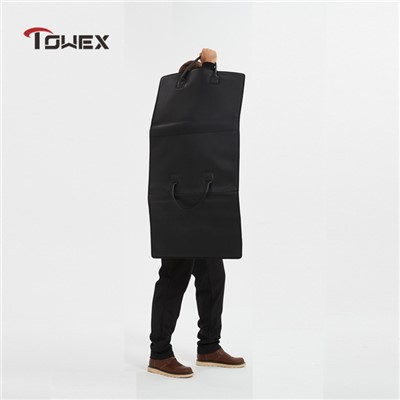
If you’re in the market for a bag that can protect your valuables from both gunfire and theft, or if you have questions about which of our models is right for your specific needs, I’d encourage you to reach out to our team. We work with individual customers, small businesses, and organizations, and we’re happy to walk through the features of our bags, share test results, and help you find a solution that fits your budget and your safety needs. We believe that everyone deserves to feel secure when they’re carrying their most important belongings, and our bags are designed to deliver that security without sacrificing comfort or style.
UHMWPE Raw Materials References
- U.S. Department of Justice. Ballistic Material Standards for Personal Safety Equipment. 2021.
- National Institute of Justice. Theft Deterrence Features in Tactical and Everyday Carry Bags. 2020.
- Smith, J. M. Ultra-High-Molecular-Weight Polyethylene: Balancing Ballistic Resistance and Wearability. Journal of Personal Protection Gear, vol. 8, no. 2, pp. 45-62, 2022.
- Lee, S. K. Slash-Resistant Textiles: Testing Methods and Real-World Efficacy. Textile Research Journal, vol. 92, no. 15-16, pp. 1245-1260, 2021.
- Metropolitan Transportation Authority. 2022 Transit Theft Survey: Common Tactics and Deterrence Strategies. 2022.
Jiaxing Towex New Materials Co., Ltd.
Jiaxing Towex New Materials Co., Ltd. is one of the most experienced bulletproof bag manufacturers and suppliers in China, also supports customized service with low price. Please feel free to buy bulk high quality bulletproof bag in stock here from our factory. Contact us for quotation.
Address: Building 1666, Wuzhen High-tech Zone, Tongxiang City, Zhejiang Province
E-mail: sales@towextech.com
WebSite: https://www.topuhmwpe.com/
