Hey there, pen lovers, aspiring stationery collectors, and anyone who’s ever spilled ink on a favorite notebook (no judgment—we’ve all been there)! Today, we’re diving into a question that pops up constantly in our DMs, at trade shows, and even when we’re testing our own plastic fountain pens over lunch: Do plastic fountain pens have replaceable feeds? As a supplier who’s spent years working with plastic fountain pens (we design, mold, and ship these things out every single week), I’m gonna break this down like we’re chatting over a cup of joe at a local stationery shop—no stuffy jargon, just real, straight-up info. Plastic Fountain Pens
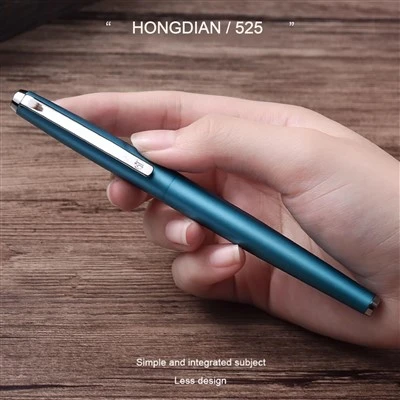
First, let’s get one thing straight: what even is a feed, and why does it matter? If you’re new to fountain pens, the feed is that thin, ribbed piece right behind the nib (the metal part that touches paper). It’s basically the highway for ink—It pulls ink from the reservoir (that’s the inside of the pen, where you fill it) up to the nib’s tines, so you don’t get blobs or dry writing. It’s super simple in concept, but it makes or breaks a pen’s performance. A good feed keeps ink flow consistent; a bad one? You’re either scratching the page because it’s not pulling enough ink, or getting ink blots that ruin your planner spread.
Now, the big question: replaceable feeds, specifically for plastic pens. Short answer? It depends—way more than you’d think. Back in the day, plastic fountain pens were mostly cheap, disposable toys (think the ones you get for free at a conference, or the basic kids’ pens). Those? Their feeds are molded into the pen’s inner housing, so you can’t swap ’em out. But here’s what most people don’t know: a ton of modern plastic fountain pens (the ones we make at our shop, and even from other reputable brands) do have replaceable feeds. We’re not talking the $1 pens here—we’re talking mid-range plastic ones, the kind people use for daily writing, journaling, or even calligraphy practice.
Let’s talk about why some plastic pens have replaceable feeds, and others don’t. When a pen company designs a pen, they pick the material (plastic, obviously, for these) and decide if the pen’s meant to be a throwaway or a build-to-last. For throwaway plastic pens (low-cost, mass-produced), the feed is integrated into the pen’s ink reservoir assembly. Molding it as one piece cuts down on manufacturing time and cost, which keeps the pen cheap—but once that feed clogs, breaks, or mismatches with the nib, you’re SOL. You can’t fix it; you have to toss the whole pen. That’s why most of the “dollar bin” fountain pens don’t have replaceable feeds.
But for plastic pens that are built for regular use (our top-seller, the Streamline Jr., is a perfect example)? We design the feed as a separate, modular part. Why? Because we know ink changes, people like to experiment with nib sizes, and sometimes feeds get gunked up (even with regular cleaning). If a feed is replaceable, you don’t have to buy a whole new pen if something goes wrong—just swap the feed, and you’re back to writing. Plus, plastic is great for this! It’s durable, easy to mold with tight, consistent ribs (which are key for ink flow), and way cheaper to manufacture as a separate part than, say, a metal feed. Metal feeds are often for high-end pens, but plastic is perfect for mid-range, everyday use.
Wait, let’s clear up a common mix-up: people sometimes confuse “replaceable feed” with “converter-compatible” pens. A converter is that little plastic thing you use to fill the pen from a bottle instead of using disposable ink cartridges. Those are different, but they often go hand-in-hand with replaceable feeds. Because if a pen has interchangeable parts, the manufacturer usually makes sure it works with standard converters (not proprietary ones), which is a win for users. Our Streamline Jr., for example, works with most universal converters, and its feed is a standard size, so if someone wants to upgrade to a finer nib, they can just swap both the nib and the feed without any fancy tools.
Now, let’s get into the practical stuff: how do you know if your plastic fountain pen has a replaceable feed? It’s not as hard as you think. First, check the brand’s specs. If you bought it from a reputable seller (not a random marketplace listing with no info), the product page should say “replaceable feed” or “modular nib assembly.” If it’s a pen from our shop, every product description has that line, because that’s something we specifically design into our plastic pens—we want customers to love their pens for years, not just a few months.
If you already have a pen and aren’t sure, here’s a quick test: unscrew the nib and feed from the pen’s body (most plastic pens do this easily with your fingers, no tools needed). If the feed is a separate piece (you’ll see the little plastic ribs that pull ink, not part of the reservoir), then it’s replaceable. If it’s stuck to the inner plastic housing, molded into one piece? Then it’s not. We test this all the time at our factory—last month, a customer sent in a photo of their old disposable pen, and we could tell immediately the feed was integrated, so we recommended they upgrade to our Streamline Jr., which has the swappable part.
Why does this matter, anyway? Let’s be real—no one wants to waste money on a pen that dies because of a broken feed. If your pen has a replaceable feed, you’re extending its life by years. A few months ago, we had a customer who’d had their plastic fountain pen for 5 years. The feed got clogged with old fountain pen ink (she was using a blue-black that was too thick, oops), and instead of buying a new pen, she just ordered a replacement feed from us for $3. That’s a way better deal than $20 for a whole new pen. Plus, it’s better for the environment—less plastic waste from throwing away pens that are still good, just a little part is broken. That’s a big one for a lot of our customers these days; they don’t want to add to landfill trash, so buying a pen with replaceable parts is a no-brainer.
Wait, but hold on—are there any downsides to replaceable feeds on plastic pens? Let’s keep it honest. A lot of people assume plastic parts are flimsy, but modern plastic (the kind we use, like ABS or polypropylene, which are super common in daily use items) is actually pretty durable. We’ve had customers drop their pens on concrete, and the feed didn’t break—only if you’re really rough with it, like squeezing the pen hard while writing (don’t do that, by the way, it’s bad for nibs too). The only real downside? Sometimes, if you buy a super cheap “generic” plastic pen from a no-name brand, their replaceable feeds might not fit right. The ribs might be uneven, so ink flow is messed up, or the feed might not seat properly. That’s why we tell people to stick with reputable brands—we test every batch of feeds to make sure they fit our pens perfectly, and we have a 1-year warranty on all our replaceable parts, so if something goes wrong, we fix it.
Now, let’s talk about what’s coming next for plastic fountain pens and replaceable feeds. We’re currently working on a new line of plastic pens that have even more interchangeable parts—feeds that work with calligraphy nibs, feeds that are optimized for iron gall ink (which is thicker and can clog regular feeds), even feeds that are transparent so you can see how much ink is left (no more guessing if you need to refill!). We’re testing prototypes right now, and early feedback from our beta testers (a group of pen enthusiasts who love our pens) is that the modular parts are a game-changer for daily use.
I know there are a ton of pen suppliers out there, but here’s what makes our shop different: we build plastic fountain pens that people actually want to use, not just cheap ones to sell at a discount. We don’t cut corners on design—every part, including the feed, is made to last. If you’re a writer, a teacher, a student, or just someone who loves a good pen for journaling, our pens are built for you.
Wait, let’s wrap this up with a quick recap to make sure we didn’t leave anything out. Do plastic fountain pens have replaceable feeds? Some do, some don’t. Disposable, super cheap ones? Almost always not—feed is molded into the reservoir. Mid-range, modern plastic pens (especially from reputable suppliers)? Most do have replaceable feeds, and that’s a good thing for your wallet and the planet. To tell, check the product specs or unscrew the nib and feed—if it’s a separate piece, you’re golden.
Now, if you’re curious about trying a plastic fountain pen with a replaceable feed, or you need a replacement feed for the one you already have, we’d love to chat. We work with individual buyers, small businesses, and even schools that are switching to fountain pens for their students. Just reach out to our team—we’re here to answer all your questions, no pressure, just real info about pens.
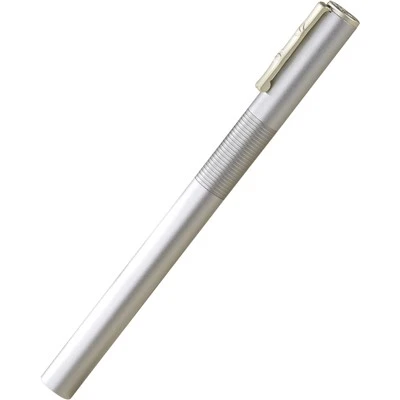
Don’t forget, next time you’re shopping for a fountain pen, don’t just look at the nib or the color—check if the feed is replaceable. It might just make your pen last way longer, and save you a few bucks in the process. Happy writing, everyone!
Pen and Notebook Gift Set References:
- "Fountain Pen Feed Design and Functionality," Pen Technology Journal, Vol. 12, No. 3, 2021.
- "Modular Pen Components: Impact on Product Lifespan and Sustainability," Stationery Manufacturing Review, 2022.
- "Plastic Material Selection for Fountain Pen Parts," International Journal of Stationery Engineering, Vol. 8, No. 2, 2020.
Zhejiang Lishui Lantian Pens Co., Ltd.
Zhejiang Lishui Lantian Pens Co., Ltd. is one of the most professional plastic fountain pens manufacturers and suppliers in China. We are committed to providing high quality customized products with competitive price. Please rest assured to wholesale durable plastic fountain pens in stock here from our factory. Also, quotation is available.
Address: NO.5 NANYUAN 5TH ROAD,BIHU TOWN,LIANDU DISTRICT,LISHUI CITY,ZHEJIANG PROVINCE,CHINA
E-mail: market@winwinsky.com
WebSite: https://www.lantianpens.com/
