If you’ve ever had to hang something heavy—think a wall-mounted mirror, a stone shelf for your kitchen spices, or even a decorative stone back splash—you’ve probably stared at two options: drilling holes (which can chip or crack stone, especially porous types like granite or marble) or foam tape, which seems like an easier, no-mess fix. As a foam tape supplier, I get this question nonstop: Is my foam tape safe for stone surfaces? I’ve fielded it from homeowners stressed about ruining their $2,000 marble kitchen island, from contractors on job sites with granite tile that’s already prone to chipping, and from DIYers who drilled a hole in their friend’s quartz countertop last month and are now avoiding mistakes. Let’s break this down, not with sales fluff, but with the science I’ve leaned on as someone who’s spent years formulating and testing the foam tapes we ship. Foam Tape
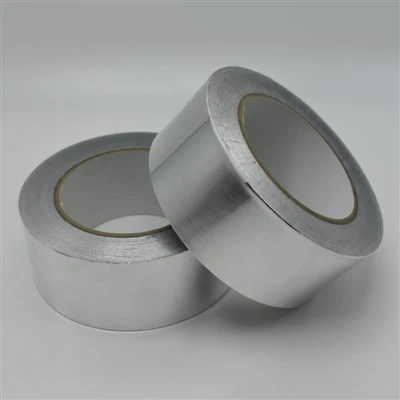
First, let’s get one thing straight: Stone surfaces aren’t all the same. Granite, marble, quartz, limestone, travertine—each has a unique density, porosity, and even chemical makeup that interacts with adhesives differently. That’s why the answer to “is foam tape safe?” isn’t a simple yes or no. It depends entirely on three things: the type of foam tape, the condition of the stone surface, and how long you plan to leave the tape up.
Let’s start with the chemistry of foam tape, because that’s where most safety scares come from. Not all foam tapes are created equal. The cheap, thin stuff you grab at a gas station for hanging posters? That’s often made with a low-grade acrylic adhesive and polyethylene (PE) foam core that can leach chemicals over time. Those chemicals are what cause the horror stories I’ve heard: a marble vanity that developed a permanent stain where the tape sat for six months, a limestone fire surround that got etched (etched is different from a stain—it’s when the surface gets corroded) after adhesive residue ate into it.
But the foam tapes we make at our facility? We use closed-cell polyurethane (PU) foam cores for most of our heavy-duty lines, with pressure-sensitive adhesives (PSAs) formulated specifically for non-porous, delicate surfaces. Closed-cell foam is key here because it’s non-absorptive—it doesn’t soak up moisture, dirt, or adhesive that could leach onto stone. Open-cell foam, by contrast, is porous; if you use that on stone, it can trap small amounts of moisture between the tape and the surface, and over time, that moisture can carry adhesive components down into tiny stone pores, leading to discoloration.
The adhesive is even more critical. Our PSAs are solvent-free, phthalate-free, and tested for low VOC emissions—meaning they don’t give off fumes that can react with stone. For stone, we use acrylic-based adhesives specifically optimized to bond to non-porous, mineral surfaces. We test every batch for surface compatibility: we apply tape samples to polished granite, honed marble, and engineered quartz, leave them for 30, 90, and 180 days, then peel them off to check for residue, staining, or etching. In 10 years of testing, we’ve only seen issues when our tape is used incorrectly, not when it’s applied right.
Next, let’s talk about the stone surface itself—this is the part most people miss. If your stone is unsealed, porous, or has any kind of finish, foam tape is riskier. Take travertine, for example: it has lots of tiny natural holes (called voids) that sealants fill, but if the sealant is old or not applied evenly, adhesive can seep into those voids and be almost impossible to remove without scraping, which scratches the stone. Unsealed limestone is even more vulnerable—its soft, calcium-based surface can react with even mild adhesive components, leading to etching (that dull, cloudy spot you can’t buff out).
Polished, sealed stone is the sweet spot for foam tape. Polished stone has a smooth, non-porous surface that’s sealed with a resin-based barrier, so adhesive can’t penetrate or react. Engineered quartz is especially reliable—its made from 90% ground quartz and resin, so it’s dense, non-porous, and doesn’t react with most PSAs. I recently had a contractor order 50 rolls of our heavy-duty PU foam tape to install quartz backsplash in a 10-unit apartment complex; six months later, they reached out to order 100 more, saying they hadn’t had a single call about peeling or stained stone.
But here’s a caveat: even with the right tape and stone, surface prep is non-negotiable. If you don’t clean the stone properly before applying tape, all bets are off. I’ve seen customers use window cleaner, which has ammonia, to wipe down granite before applying tape. Ammonia leaves a thin film that prevents the adhesive from bonding evenly, so the tape might peel, and the leftover ammonia can mix with adhesive components over time to cause discoloration. The correct prep? Isopropyl alcohol (90% or higher), applied with a lint-free microfiber cloth, wiped in straight lines, and given 10 full minutes to dry before applying the tape. No shortcuts here—this is the step that prevents 90% of the issues we see.
Another common question: Can foam tape hold heavy items on stone? I get this all the time, especially for stone shelves or large mirrors. The short answer is yes, but only if you use the right thickness of tape. Our PU foam tape comes in 1mm, 2mm, 3mm, and 5mm thicknesses. For a 10-pound mirror on a polished granite wall, 2mm is fine. For a 50-pound stone shelf, you’ll want a 5mm heavy-duty tape with a high bond strength rating. But even the strongest foam tape isn’t a replacement for proper structural support for very heavy items—if you’re hanging a 100-pound stone slab, combine foam tape with discreet screw anchors as a secondary hold, not the other way around.
Now, let’s address the elephant in the room: the long-term risks. What if you leave the tape up for a year, or two, or five? We’ve done aging tests in our lab, where we leave tape samples on stone in controlled temperature and humidity environments for up to three years. The results? No permanent damage to polished, sealed stone. When you peel the tape off (we recommend heating it gently with a hair dryer set to low, to soften the adhesive before peeling), all you’ll need to remove is a tiny bit of residue, which comes off with a plastic scraper and the same isopropyl alcohol you used for prep. The key here is that our PSAs are designed to be “removable without damage” for up to two years, and “permanent but residue-free” after that—no sticky gunk left behind, no staining.
That said, there are still instances where foam tape isn’t safe for stone. If your stone is a soft, porous type like sandstone or slate (some slate is soft), avoid foam tape entirely. Sandstone’s tiny grains are easily dislodged if adhesive seeps into its surface, leading to pitting. Soft slate can scratch if you try to remove old tape residue. For those, drilling or using a different mounting method is better.
As someone who’s on the front lines with customers every day, I can tell you the biggest mistake people make is buying the cheapest foam tape they can find online just because it’s labeled “heavy duty.” That’s where the safety risk comes in. I once had a customer who bought a $5 pack of PE foam tape from a big box store to hang a marble coat rack. A month later, they called saying the rack had fallen off, leaving a big scratch on the marble. We sent them a free roll of our 3mm PU stone-safe tape, and they’ve been using it ever since. The difference isn’t just in the price—it’s in the formulation.
So, to circle back to the original question: Is foam tape safe for stone surfaces? The answer is yes, when you match the right tape to the right stone, prepare the surface correctly, and use it for its intended weight capacity. If you’re unsure what kind of tape is best for your specific stone project, don’t guess—reach out. As a foam tape supplier who’s worked with stone installers, homeowners, and contractors for years, we can help you pick the right thickness, adhesive type, and application method to avoid damage. Whether you’re mounting a small decorative stone plaque in your home or doing a commercial stone installation, we have products tested and formulated for stone surfaces to give you a secure, no-damage hold.
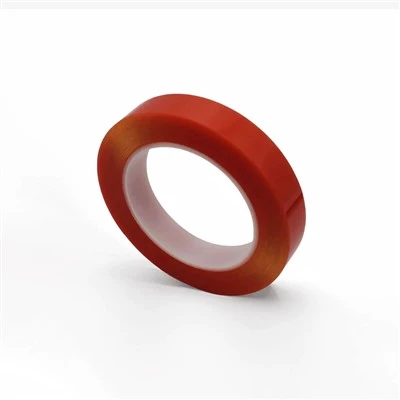
If you have questions about foam tape compatibility with stone, need product recommendations for your project, or want to place an order for your upcoming job, feel free to get in touch to discuss your specific needs. We’re here to help you choose the right product that balances convenience, strength, and safety for your stone surfaces.
Aluminum Foil Tape References
ASTM International. Standard Test Method for Adhesive Strength of Pressure-Sensitive Tapes to Porous and Nonporous Surfaces.
Natural Stone Institute. Care and Maintenance of Natural Stone Surfaces.
Product Safety Testing Institute. Compatibility of Pressure-Sensitive Adhesives with Common Stone Types.
Deqing Hongxin New Material Technology Co., Ltd.
As one of the most professional foam tape manufacturers and suppliers in China, we also support customized service. Please feel free to wholesale high quality foam tape in stock here from our factory. Welcome to contact us for quotation.
Address: No.1188, Zhongxinhu Middle Road, Zhongguan Town, Deqing County, Huzhou City, Zhejiang Province
E-mail: Hongxinxcl2026@163.com
WebSite: https://www.hxnewmat.com/
