If you’ve ever stood in a busy café stock room, a small restaurant’s prep area, or a convenience store’s back storage spot, staring at a reach-in fridge and wondering why those trays inside don’t bend, crack, or turn into a sticky mess after months of use—you’re not alone. As someone who’s been supplying reach-in refrigerators for the last 8 years, I get asked this question all the time: what’s actually lining those shelves? It’s not just “plastic” or “metal”—there’s a lot of science (and a little behind-the-scenes strategy) that goes into picking the right shelving material for these units. Let me break it down like I would chat with a regular client, no fancy textbook jargon, just what works and why. Reach-in Refrigerator
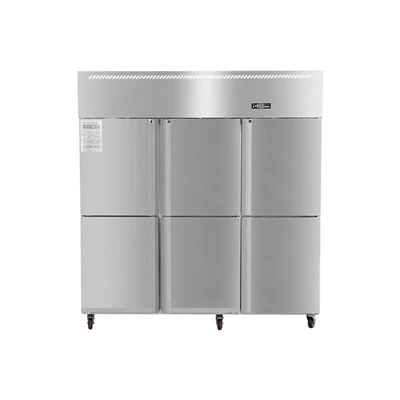
First off, let’s set the scene: a reach-in fridge isn’t a mini household fridge. It’s built for constant use—employees yanking out shelves to restock iced drinks, rearrange bulk deli meat, or wipe down spills mid-rush. The shelving has to pull its weight, literally. I’ve seen flimsy, generic shelves snap under 50 pounds of whole milk cartons or party platters in a small bodega, which is why we don’t cut corners here. The top two materials you’ll almost always find in commercial reach-ins are coated wire and solid plastic (usually HDPE), and yeah, there’s a third wildcard that pops up for super specialized uses—let’s go through each one, how they’re made, and why we pick one over the other.
Let’s start with the big dog: coated wire shelving. This is what you’ll see in 9 out of 10 standard reach-in fridges, from the $1,200 unit we supply to the corner store to the mid-range models for local delis. The base of it is just regular steel wire, twisted and welded into that grid pattern you know—those little square gaps between the wires aren’t for show. The coating is where the magic happens: we use a food-grade epoxy coating, not the cheap stuff you find on random Amazon shelves. Why? Because steel by itself will rust like crazy if a spill seeps through—milk, soda, even cleaning water that’s left pooled. Rust ruins food, it’s a hygiene no-no, and it’s a pain to scrub off. The epoxy seals the steel so moisture can’t get in, and it’s thick enough to stand up to scratches from forks, pans, or heavy stock cans.
Wait, you might be thinking—why not just use plain stainless steel wire? Good question. Stainless steel is tough, yeah, but it’s way more expensive, and for standard use, it’s overkill. Plus, the epoxy coating lets us adjust the wire gauge (that’s how thick the wire is) without jacking up the price. For a regular reach-in fridge shelf, we use 12-gauge wire for the front edge and 14-gauge for the back—thicker where people grab, thinner where it’s not needed, so it’s sturdy but not a waste of metal. Also, the grid design is genius for air flow. Commercial fridges work by circulating cold air around every item inside; a solid shelf would block that, making some spots too warm and others too cold. The gaps let cold air drift under and around the stuff you’re storing, which keeps food fresher longer. That’s not a sales pitch—it’s why a reach-in fridge with wire shelves will cut down on spoiled lettuce or lumpy yogurt way more than a household-style solid shelf.
But wire shelving isn’t perfect. There’s one big downside: small items can fall through the gaps. If you’re storing tiny things like mini condiment packets, garlic cloves, or loose cheese chunks, they’ll slip right through and get stuck at the bottom of the fridge, turning into a moldy mess. That’s where solid plastic shelving comes in—our go-to for high-volume food prep spots or places that store small, loose items. The plastic we use is HDPE, which stands for High-Density Polyethylene, and it’s basically the same stuff they make milk jugs out of, but food-grade (so no weird chemicals leaching into your food, even at 34 degrees Fahrenheit). HDPE is tough, it doesn’t stain easily, and if a soda spills or a piece of raw meat drips juice, you can just wipe it up in 10 seconds flat—no scrubbing rust or sticky epoxy residue.
Wait, let’s talk about why we don’t use cheaper plastic, like the stuff from dollar store bins. That flimsy plastic cracks when you stack a 10-pound case of cans on it, or it gets discolored from constant exposure to cold and cleaning chemicals. Our HDPE shelves are molded with little reinforcing ribs along the bottom, so they can hold up to 75 pounds without bowing. That’s a big deal—we tested a lot of cheap solid shelves early on, and within 6 months, they’d sag so bad the front edge would dip, spilling whatever’s on it when you open the door. Not a good look for a restaurant that relies on their fridge.
Also, solid plastic shelves don’t have those gaps, so they’re way better for organizing. We’ll add little lip edges to the back of our solid shelves too, so if you’re sliding a tray of lasagna back there, it won’t slip off when you yank out the shelf for cleaning. For delis that stack sliced turkey and cheese on trays, or bakeries that hold cupcake tins, that lip is a total game-changer.
Now, the wildcard: stainless steel. You’ll only find this in super specialized reach-in fridges—like the ones in high-end commercial kitchens that handle raw meat, or fridges for storing acidic stuff like tomato sauce or citrus. Wait, why stainless over epoxy-coated wire? Because acidic foods eat through epoxy over time. I’ve seen a deli that stored barrels of pickles in a cheap epoxy shelf—two months later, the coating was peeling, rust was showing, and they had to replace the whole shelf. Stainless steel doesn’t react to acid, it doesn’t rust, and it’s almost impossible to scratch. But here’s the catch: it’s heavy. A stainless steel shelf is twice as heavy as a wire one, so the fridge has to be built with sturdier supports, which makes the whole unit more expensive. We only use stainless steel for clients who specifically ask for it, or for units that go into places like meat processing facilities where hygiene is non-negotiable.
Let’s get into the small details that most people don’t notice, because that’s where the real durability comes from. For example, the way we bend the edges of wire shelves: we don’t just cut the wire and leave a sharp end. We crimp and round the front edges, so no one gets a cut when they’re grabbing a shelf after a long shift. That might sound trivial, but I’ve heard so many stories of kitchen workers cutting their hands on sharp shelf edges, missing a day of work, and that’s a big hassle for a small business. Also, the way we attach the shelves to the fridge’s internal rack: we use adjustable pegs, not permanent mounts, so a cook can swap out a shelf to fit a taller 2-liter soda crate or a sheet pan, no tools needed. That’s way more user-friendly than the old days where you had to drill holes to adjust shelf height.
Another thing: temperature resistance. Reach-in fridges run at 33 to 40 degrees F, sometimes colder for specialty units. The shelving materials have to handle that cold without getting brittle. I tested a random import shelf last year—left it in a freezer for a week, and it cracked when I set a can of soup on it. Our HDPE shelves? We tested them at 20 degrees F, left them for a month, and they still held 80 pounds without bending. The epoxy coating on our wire shelves doesn’t chip or peel in cold either—we got a client in Minnesota who runs a gas station, their fridge is in a 10-degree F back room, and their shelves have been going strong for 3 years.
Wait, let’s address a common myth: some people think plastic shelves are less hygienic. No, not if they’re food-grade HDPE. You can run them through a commercial dishwasher, spray them with sanitizer, even boil them (though we don’t recommend boiling, but they can handle it) without any chemicals leaching. The old concern about plastic and cold is just that—old. Modern food-grade plastics are totally safe for long-term use in commercial fridges. The real hygiene win for solid plastic is that there’s no crevices, unlike wire shelves where little food bits can get stuck in the gaps. Wire shelves are super easy to clean, but if you’re not meticulous, a tiny piece of lettuce might rot in a gap for days. Solid plastic is smoother, so you can wipe it down in 10 seconds flat.
So when a client asks me, “Which shelf material should I pick for my reach-in fridge?” I don’t just say “wire” or “plastic.” I ask them, what are you storing? If you’re a convenience store stocking drinks and snacks, wire shelves are perfect—air flow is key, they’re cheap, and they hold heavy cases. If you’re a deli storing small condiments or sliced meats, go with solid HDPE. If you’re a butcher or a place that handles acidic foods, spring for stainless steel. That’s the real answer, not a one-size-fits-all.
Now, as someone who’s been in the supply game for years, I’ve seen a lot of brands cut corners on shelving to lower costs. We never do that. A fridge is only as good as its shelves, right? If the shelves snap after 6 months, the whole fridge is useless. We source our wire from a U.S. supplier that makes food-grade epoxy, our HDPE is FDA-approved, and the stainless steel is 304 grade, which is the standard for commercial food equipment. No cheap imports here—we test every batch of shelves before we put them in a unit, and if a shelf fails, we send it back.
I get it, when you’re buying a reach-in fridge, you’re focused on price, size, and energy efficiency. The shelves are just one part, but they’re the part you’ll interact with every single day. You don’t want to be the one replacing shelves every 6 months because the cheap ones cracked or rusted. That’s why our clients come back—because we don’t skip on the shelving.
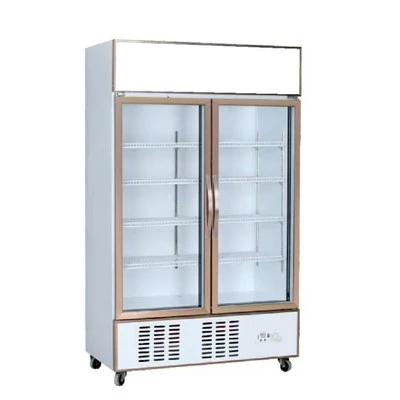
If you’re in the market for a reach-in refrigerator, whether it’s for a new café, a bodega, or a food truck, and you want to talk through which shelving (and fridge) is right for your needs, hit us up. We don’t do pushy sales talk, we just answer your questions straight—like I did here. No jargon, no hidden fees, just what works for your business. Let’s chat.
Back Bar Cooler References:
- Commercial Refrigeration for Foodservice: Selection, Design, and Operation. American Culinary Federation, 2021.
- "Food-Grade Plastic Materials for Cold Storage Applications." FDA Food Safety and Inspection Service, 2022.
- "Durability Testing of Commercial Refrigerator Shelving Materials." Journal of Food Service Technology, Vol. 12, No. 3, 2020, pp. 145-152.
Zhejiang Xingbao Electrical Appliances Co., Ltd.
As one of the most professional reach-in refrigerator manufacturers and suppliers in China, we also support customized service. Welcome to wholesale bulk high quality reach-in refrigerator in stock here from our factory. If you have any enquiry about pricelist, please feel free to email us.
Address: No. 10 Baisha Road, Lianhang Development Zone, Chang’an Town, Haining City, Jiaxing City, Zhejiang Province, China
E-mail: zjxingbao@gmail.com
WebSite: https://www.sunborncn.com/
