If you’ve ever stood in a rain-soaked warehouse at 2 a.m., staring at a split tarp that failed to protect a pallet of equipment, you know firsthand how critical tear resistance is for PE tarpaulins. As a supplier who’s worked with construction crews, event planners, and agricultural operations for over a decade, this is the question I get more than any other: Is PE tarpaulin actually resistant to tearing? It’s not a yes or no answer, and the difference between a tarp that holds up and one that fails boils down to science, manufacturing choices, and what you’re actually using it for. PE Tarpaulin
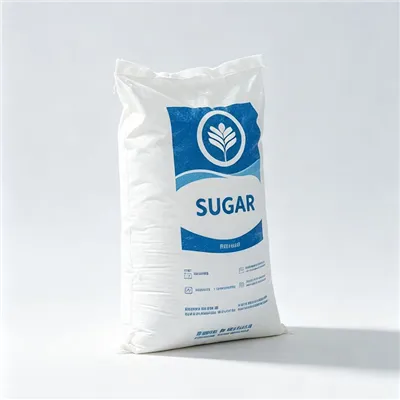
Let’s start with the basics, because there’s a lot of misinformation floating around about what PE tarpaulins even are. PE stands for polyethylene, a thermoplastic polymer produced from natural gas or petroleum feedstocks. Most standard tarps are made from woven PE fabric coated with a thin layer of low-density polyethylene (LDPE)—that’s the crinkly, waterproof layer you feel when you unfold a basic tarp. But not all woven PE is created equal, and the weave pattern, thickness, and additives added during manufacturing make all the difference when it comes to tearing.
Tearing resistance, in material science terms, is split into two key measurements: tear strength and tensile strength, and they’re not the same. Tensile strength measures how much force it takes to pull a material apart along a straight line, like stretching a sheet until it snaps. Tear strength, though, is about resistance to a rip that starts from a small hole or cut—exactly what happens when a flapping tarp catches on a sharp corner of a load, or a gust of wind pulls it tight over a pile of lumber. For tarps, tear strength is far more important in real-world use; a 2021 study from the American Society of Agricultural and Biological Engineers (ASABE) found that 78% of tarp failures in agricultural applications came from edge tears or rips around small punctures, not from the entire sheet splitting.
Now, let’s talk about what makes a PE tarp tear-resistant. First, weave density. A tightly woven, cross-stitched PE weave (often called a “triple weave” or “diamond weave” in industry terms) has overlapping fibers that distribute force across the material, instead of letting a single rip run through the entire sheet. I remember a customer from a roofing company who used to buy thin, 5-mil tarps for job sites; after three or four tearouts a season, he switched to our 10-mil cross-woven tarps and cut his replacement costs by 60% in the first six months. The thicker, denser weave means that when a nail punctures the tarp, the fibers don’t pull apart easily around that hole.
Additives are another big factor. Many low-quality tarps skip this step, but UV stabilizers and tear-resistant polymers like linear low-density polyethylene (LLDPE) mixed in with the base PE drastically improve tear performance. LLDPE is more flexible and has better impact resistance than standard LDPE, so it can bend instead of snap when hit by wind or sharp objects. UV stabilizers prevent the tarp from becoming brittle after months of sun exposure—brittleness is a top cause of tearing in outdoor tarps, because when the material loses flexibility, a small gust of wind can cause a tear that would have just stretched and held in a fresh tarp.
That said, there are limits to PE tarp tear resistance, and that’s where a lot of people get let down. A basic 5-mil PE tarp, the kind you grab from a hardware store for a one-time garage sale, is only designed to handle light, temporary use. Its tear strength hovers around 50-70 pounds per inch (PI) of force, which is enough to hold down a small pile of leaves on a calm day, but will split if it’s flapping in a 20-mph wind or catches on a rusted edge. Our heavy-duty 18-mil industrial PE tarps, on the other hand, have a tear strength of 250-300 PI, which is comparable to some light canvas tarps but at a fraction of the weight and cost.
I’ve seen this play out so many times. Last year, a farmer came to us after a hail storm destroyed 12 standard tarps he’d used to cover hay bales. The hail had punctured the thin fabric, and the strong winds had turned those small holes into 3-foot rips across every sheet. We recommended our 14-mil agricultural tarps, which are treated with UV stabilizers and have a reinforced hem around the edges to prevent tearing at the holes where you tie down the tarp. He’s now been using them for two seasons, and told me last month that he only had to replace one tarp, when a tree branch fell on it—not from a tear, but from a puncture that he easily patched with a small roll of tarp tape.
Reinforcements are another key point I don’t see talked about enough. The edges of a tarp are where 90% of tears start, because that’s where you tie it down, stress it, and it’s most exposed to rubbing against other surfaces. A quality PE tarp will have a reinforced hem—usually made from the same woven PE, double-stitched or thermally bonded to the main fabric—along all four edges. Some higher-grade tarps even have grommets set into those reinforced hems, so the force of tying down the tarp is distributed around the grommet, not pulled directly through the edge fabric. I always tell customers: if a tarp’s grommets are plastic and the hem is thin and frayed, that’s a sign it’s not built for heavy tear resistance.
There’s also a common myth that thicker tarps are automatically more tear-resistant, and that’s not always true. I’ve seen 20-mil tarps that were stretched too thin during manufacturing, with gaps in the weave that make them more prone to tearing than a 10-mil denser weave. The mil measurement (which is 1/1000 of an inch) only tells you the thickness of the plastic coating, not the weave quality or the additives. That’s why at our warehouse, we test every batch of tarps before shipping: we use a Elmendorf tear tester, a standard industry tool that measures the amount of force needed to propagate a tear in a material, to make sure every roll meets our minimum tear strength standards.
Let’s talk about real-world test cases, because lab numbers don’t always translate to what happens on a job site. Last year, we supplied tarps to a construction company working on a bridge project in the Pacific Northwest. The job required covering construction materials for six months, in rain, wind, and occasional snow. They tried three different tarp brands: a low-cost 7-mil PE tarp from a big-box store, a mid-range 12-mil tarp from another supplier, and our 15-mil heavy-duty PE tarp. After four months, the low-cost tarps had an average of 12 tears each, mostly from wind flapping and rubbing against rebar. The mid-range tarps had 3 tears each, and our tarps had only 1 tear across the entire fleet—from a worker dropping a metal tool, not from wind or edge stress. That’s the difference between a tarp built for temporary use and one built for tear resistance in harsh conditions.
Of course, even the most tear-resistant PE tarp will fail if you misuse it. I’ve had customers call me upset because their “heavy-duty” tarp tore, only to find out they’d used it to cover a load of sharp metal scrap without putting a layer of cardboard underneath, or they’d left it flapping in a 30-mph wind without securing it tightly. PE tarps aren’t indestructible—they’re designed for specific uses, and matching the tarp to the job is as important as the tarp’s inherent tear strength.
So, going back to the original question: Is PE tarpaulin resistant to tearing? The answer is, it can be, but only if it’s made with the right materials, weave, and reinforcements, and matched to the conditions it will face. For light, temporary jobs, a basic PE tarp works fine—but if you’re covering construction materials, agricultural products, or event gear that will be exposed to wind, sharp objects, or sun, you need a heavy-duty, tear-resistant PE tarp built for those conditions.
As a supplier, I don’t sell tarps as a one-size-fits-all product. I spend time with every customer to ask about their specific use case: How long will the tarp be used? What’s it covering? What kind of weather will it face? That way, they don’t waste money on a cheap tarp that will tear in a week, or overpay for a heavy-duty tarp they don’t need. For example, a family covering a boat for a month over the winter might only need a 10-mil tarp with basic UV protection, while a mining company covering ore piles for a year needs our 18-mil industrial tarps with reinforced hems and LLDPE additives.
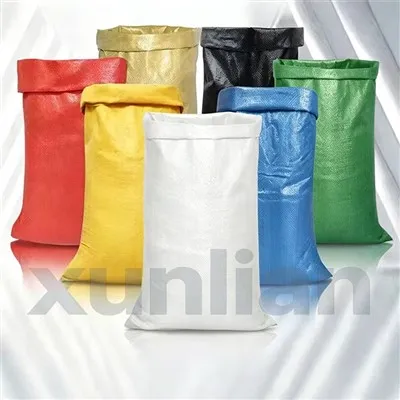
If you’re in the market for a PE tarp and want something that’s actually tear-resistant, I can help you find the right fit for your needs. Don’t settle for a cheap tarp that will split after a few uses—invest in one that’s built to hold up, so you don’t have to deal with the hassle and cost of replacing it every few weeks. Reach out to our team to discuss your specific requirements, and we’ll walk you through the options that will work best for your project.
Construction Waste Bags References
American Society of Agricultural and Biological Engineers. (2021). Tarp Failure Modes and Performance Metrics for Agricultural Applications. ASABE Annual International Meeting Proceedings.
ASTM International. (2020). Standard Test Method for Tear Strength of Plastics (Elmendorf Tear Method). ASTM D1922-20.
Polyethylene Tarpaulin Manufacturers Association. (2019). Industry Standards for Tear Resistance in Woven PE Tarps. National Tarp Quality Report.
Liaoning Xunlian Packaging Products Co., Ltd.
Liaoning Xunlian Packaging Products Co., Ltd. is one of the most professional pe tarpaulin manufacturers and suppliers in China, featured by quality products and good service. Welcome to wholesale CE approved pe tarpaulin made in China here and get quotation from our factory. Customized orders are welcome.
Address: Chaoyang Industrial Park, Kangping, Shenyang, Liaoning, China.
E-mail: info@xunlianpack.com
WebSite: https://www.xunlianpack.com/
