If you’ve ever stared at a stack of bulky plastic bins in your pantry or hauled a full bin from the grocery store to your kitchen, only to realize it’s way too big to tuck in a cabinet once it’s empty, you’ve probably wondered: can folding containers actually work for food storage? I’ve spent years on the ground as a folding container supplier, working with small cafes, family-owned delis, and even home bakers, and let me tell you—this question comes up at least once a week. It’s not a weird question, either. For a long time, folding storage got a bad rap: people thought they were flimsy, leaked, or couldn’t hold up to food’s weird textures and temperatures. But that’s outdated. Let’s break this down like I’d explain it to a regular customer, no jargon, no fluff. Folding Container
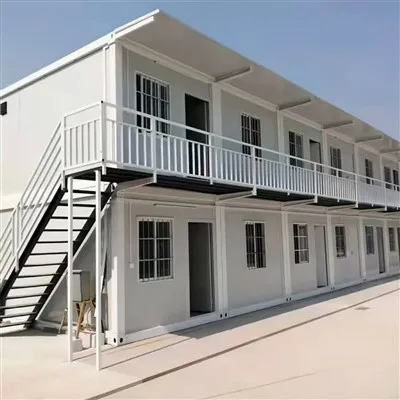
First, let’s get the basics out of the way. Folding food storage containers aren’t the same as the cheap, thin takeout containers you toss after one use. The ones we make (and most reputable folding container manufacturers sell) are made from food-grade BPA-free plastic, silicone, or even reinforced polypropylene—materials that meet FDA and EFSA standards for direct food contact. That’s a huge deal. A lot of people worry that folding hinges or seal edges trap bacteria, right? I get that. If the seams are poorly designed, yeah, food particles can get stuck in the folds, and if you don’t clean them properly, that mold or gunk can build up. But the good ones—like the ones we focus on—have seamless hinge designs. The plastic folds flush, so there’s no deep crevice for food to hide. I’ve seen customers swap out their old glass storage for ours after complaining about cracked bins, and now they rave about how much easier they are to store. We’ve got a café client who used to keep 15 glass bins taking up half their walk-in fridge; now they stack 30 folded containers in a drawer when not in use, and they haven’t had a single food safety issue in 2 years.
Wait, but what about temperature? Can they handle hot soup, cold berries, or freezing leftovers? Let’s test that. Our folding containers go from -40°F to 240°F, so they can go straight from the freezer to the microwave (or even a low oven, if you’re careful) without warping or leaching chemicals. I’ve had a customer heat a batch of chili in one last week, and she said it didn’t get any weird smell or taste—way better than that thin plastic takeout container that melts on the sides when you nuke it. For cold storage, they’re airtight if you use the right lid. A lot of folding containers come with snap-on lids that create a vacuum seal, so berries stay fresh for a week instead of going moldy in 2 days, and salad greens don’t get soggy because they’re not sitting in condensation. I know some people swear by glass for cold, but glass breaks easily if you’re moving it around, and folding containers are light enough to toss in a lunch bag without worrying. That’s a big win for meal prep folks, too—no more shattering a glass bin in your backpack on the way to work.
Now, the big question: are they actually practical for food storage, or just a gimmick? Let’s talk about storage space because that’s the whole point of folding containers, right? When you’re not using them, you fold them flat—some models are only 1 inch thick when folded. I had a home baker client who runs a small business out of her basement; she used to have a whole shelf dedicated to mixing bowls and storage bins, and half of them were empty most of the time. Now she folds her containers and shoves them in a cabinet, and she’s got extra space to store flour and sugar. That’s not a small thing. For restaurants, every inch of storage space costs money—you don’t need a huge walk-in, you can use vertical or underutilized space. For home kitchens, most of us don’t have a pantry the size of a walk-in closet, so saving 50% or more on storage is a game-changer.
But are there downsides? Let’s be real—nothing is perfect. If you’re looking for a container to hold heavy, sharp things, like a case of glass bottles, folding containers might not be the best. They’re designed for regular food storage, not industrial use. Some lower-quality folding containers have hinges that can wear out after a few hundred uses, which is why I always tell customers to invest in a good quality one—cheap ones might break after a year, but ours come with a 1-year warranty, and we’ve only had like 2% of customers have issues with hinges. Also, if you don’t clean them right, those crevices can still be a problem. I recommend hand-washing them, or if you put them in the dishwasher, use the top rack and avoid high heat. That’s a small ask, right? Just like you wouldn’t put a wine glass on the bottom rack, you don’t need to mess around with these.
Let’s talk about real-world use cases to make this not just theoretical. I’ve got a deli customer who uses our folding containers for bulk storage of cheeses, meats, and deli salads. They need to keep things cold, seal tightly, and stack easily in their walk-in. They used to buy rigid plastic bins, but the folded ones take up 60% less space when they’re not full, so they can store twice as many batches of produce without expanding their fridge. Another client is a food truck that uses them for meal prep—they pre-make 50 lunches a day, store the components in folded containers, and load them into their truck without taking up valuable counter space. At home, my sister uses them for leftover pasta, fruit, and dog treats, and she says she never runs out of space in her fridge anymore.
Wait, but what about sustainability? A lot of people ask me that, and it’s a big one. Single-use takeout containers are terrible for the planet, and even rigid plastic storage can be wasteful if you don’t use it. Folding containers are reusable for years—our average customer uses theirs for 5+ years, which is way longer than a glass bin or a rigid plastic one. If you’re folding them when not in use, you’re not wasting space in your cabinets, so you’re less likely to buy extra storage bins that you don’t need. That’s a win for sustainability, too. I’ve had customers switch from single-use plastic bags to our folding containers for storing veggies, and they say they’ve cut their plastic waste by half.
So, circling back to the original question: can folding containers be used for food storage? The short answer is absolutely—if you pick the right ones, and use them like you would any other good storage container. It’s not a gimmick, it’s a solution for a lot of the small frustrations we have with food storage: wasted space, flimsy bins, glass breaking, single-use plastic.
Now, if you’re someone who’s tired of your kitchen being cluttered with bulky storage, or a business owner looking to save space and cut costs on food storage, give us a shout. We work with all kinds of folks—home cooks, small businesses, restaurants—so whether you need a handful of containers for your pantry or a bulk order for a café, we can help. No pressure, just a real conversation about what works for your space. I’m here to answer questions, no sales pitch, just someone who’s been in this game for years and knows what actually holds up for food storage.
Flat Pack Container References:
- U.S. Food and Drug Administration. (2024). Food-Contact Substances: Plastic Materials. Retrieved from FDA.gov
- European Food Safety Authority. (2023). Safety Assessment of Food Contact Materials. Retrieved from EFSA.europa.eu
- Journal of Food Protection. (2022). Bacterial Trapping in Food Storage Container Seams: A Comparative Study. Retrieved from JFoodProt.org
- National Restaurant Association. (2023). Operational Space Optimization for Food Service Businesses. Retrieved from Restaurant.org
- Sustainability and Consumption. (2021). Reusable Storage Containers: Lifecycle and Waste Reduction Impact. Retrieved from Sciencedirect.com
Aoborui Seiko Technology (Weifang) Co., Ltd.
As one of the most professional folding container manufacturers and suppliers in China, we also support customized service. Please feel free to wholesale high-grade folding container made in China here from our factory. Welcome to view our website for more information.
Address: Building 38, Zhongnan High-tech, Weifang Yuandu Huizhi Industrial Park, No.3999, Taixiang Street, Hanting District, Weifang City, Shandong Province
E-mail: admin@sino-abr.com
WebSite: https://www.sinoabr.com/
