If you’ve walked through a public park lately and paused in front of a life-sized bronze statue of a children’s storybook character, a local historical figure, or even a playful abstract piece of metalwork, you’ve likely experienced the quiet magic of outdoor public art. As a supplier of bronze sculptures designed specifically for park installations, I’ve spent years talking with park boards, city arts councils, and community members about how to bring these pieces to life—and one of the most common questions I hear is: “Where do we find the funding to make this happen?”
Public art funding for park bronze sculptures isn’t a one-size-fits-all pool; it’s a mix of local partnerships, targeted grants, community-driven initiatives, and even creative revenue streams that work together to turn a blank park space into a cultural gathering spot. Over the years, I’ve helped dozens of park teams navigate these options, and each project has taught me that the best approach balances practical budgeting with the unique story a sculpture wants to tell. Here’s a breakdown of the most reliable, science-backed funding options I’ve seen work, along with what park leaders need to know to pull them off. Outdoor Bronze Sculpture In The Park
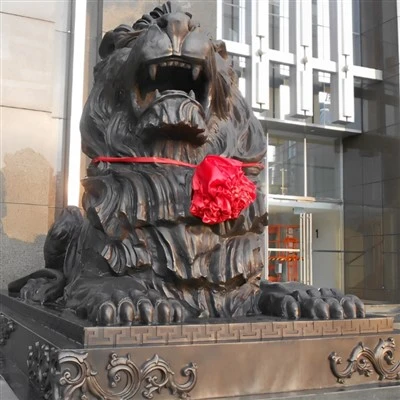
First, municipal arts and culture grants are the backbone of public art funding for many communities, and they’re the most accessible option for park bronze sculptures. Every city with a formal municipal budget sets aside a portion of general funds for public art; often, this comes from one-percent-for-art policies, a rule that requires 1% of public construction or capital improvement budgets to go toward art installations. For example, when a park undergoes a renovation—adding a new playground, paving paths, or building a public restroom—the city’s one-percent fund is meant to cover pieces that fit the space, and bronze sculptures are a perfect fit here because of their durability, long lifespan, and low maintenance needs (critical for outdoor park settings, where exposure to weather and foot traffic is constant). The key with these grants is to align your sculpture’s design with the park’s existing master plan. If your local park’s plan focuses on local history, a bronze statue of a 19th-century farmer who settled the area will resonate far more than a generic abstract piece. I once worked with a small Midwestern city that used one-percent-for-art funds to install a bronze bust of a local teacher and community organizer in their neighborhood park; the project stayed within budget because the city’s grant already earmarked funds for park improvements, and the sculpture’s local focus made it easy to get quick approval from the city council. It’s also important to note that these grants typically cover not just the sculpture itself, but transportation, installation, and a 5-10 year maintenance plan—something park teams often overlook, but which is essential for keeping a bronze piece looking its best for decades.
Next, state and national arts grants are a step up from municipal funds, and they offer larger budgets for more ambitious park bronze projects. In the U.S., the National Endowment for the Arts (NEA) offers two main grant programs that support outdoor public art: the Art Works program, which funds creative projects that engage communities, and the Our Town program, which focuses on revitalizing neighborhoods through cultural initiatives. Both programs have specific priorities for outdoor art, and bronze sculptures are strongly favored because they’re permanent, accessible, and act as a “landmark” for park visitors. For example, a 2022 Our Town grant funded a project in Portland, Oregon, to install a series of bronze sculptures of Pacific Northwest wildlife in a urban park; the grant covered 75% of the $120,000 project budget, with the local community raising the remaining 25%. At the state level, many states have their own arts councils—like California’s Arts Council or Texas’s Cultural Arts Division—that offer grants tailored to public park art. These grants often require a matching contribution, but they come with technical support, too: many arts councils will connect park teams with experienced artists, structural engineers (critical for ensuring a heavy bronze sculpture is properly anchored to park ground), and even community outreach coordinators to help build support for the project. I’ve seen several park projects fail because they submitted a grant application that didn’t include a clear community engagement plan; state and national grants prioritize projects that bring people together, so adding a workshop where local kids can sketch ideas for the sculpture, or a public meeting to discuss design choices, can make your application stand out.
Then there are community crowdfunding campaigns, which have become a game-changer for smaller, neighborhood-focused park bronze sculptures. Crowdfunding platforms like GoFundMe, Kickstarter, or local community foundations’ crowdfunding tools let park teams tap into the people who use the park every day, and bronze sculptures are uniquely suited to this kind of support because they have a tangible, emotional appeal. For example, a small park in Detroit raised $15,000 in 2021 to install a bronze statue of a neighborhood basketball player, a local legend who had died the year before; the campaign was shared by local schools, sports teams, and social media influencers, and even included micro-donations as small as $5. What makes crowdfunding work for park bronze projects is the story: people don’t donate to a “sculpture”—they donate to honoring a neighbor, preserving local history, or creating a space where kids can feel proud of their community. As a supplier, I often help park teams create a crowdfunding page that includes photos of similar bronze park pieces, a rough sketch of the proposed sculpture, and a breakdown of exactly where the money will go (e.g., 60% for the sculpture’s casting, 25% for installation, 15% for the first year of maintenance). Transparency here is key: if donors see their money is going directly to something lasting, they’re far more likely to contribute. I also recommend offering small, meaningful rewards for different donation tiers: a $25 donation gets a custom engraved tile near the sculpture’s base, a $100 donation gets a small replica of the bronze piece, and a $500 donation gets a plaque with their name on the sculpture’s dedication. These rewards turn one-time donors into long-term advocates, which is helpful for future park projects too.
Corporate sponsorships are another underutilized funding option, and they work particularly well for bronze park sculptures because companies want to align themselves with positive, community-focused projects. Local businesses—grocery stores, banks, restaurants, sports teams—often have corporate social responsibility (CSR) budgets that they’re required to spend on community initiatives, and a park bronze sculpture is a perfect way for a business to get visible, positive exposure. For example, a regional bank in Atlanta sponsored a bronze statue of a young girl reading a book in a public library park, with the bank’s logo included on a small, non-intrusive plaque at the base of the sculpture. The arrangement was a win-win: the park got 70% of the sculpture’s funding, and the bank got to connect its brand to literacy and family-friendly spaces, which are core to its target audience. National brands can also be involved, but local businesses are often more flexible and more invested in the park’s specific community. I usually advise park teams to approach sponsors with a clear sponsorship package that outlines what the business will get, as well as the impact the sculpture will have. For example, a restaurant that sponsors a bronze sculpture of a park chef will get their name associated with local food and community pride, which is far more relevant than a generic logo. It’s also important to set boundaries here: the sculpture’s design and placement should be decided by the park board and community, not the sponsor, to ensure the piece stays true to the park’s mission. I once helped a park team turn down a sponsorship offer from a fast food chain that wanted to add a large, branded sign to the sculpture’s base; instead, they partnered with a local organic grocery store that focused on community health, which aligned far better with the park’s mission of accessible green space for all.
Finally, there’s a less obvious option: park improvement district (PID) funds, which are established by local communities to pay for public space upgrades. PIDs work by taxing property owners within a specific district a small annual fee, and that money is used for projects that benefit the area—like new benches, playground equipment, or public art. Because bronze sculptures are a permanent, high-value addition to the park, they’re often a priority for PID funds, since they increase property values and make the neighborhood more attractive to residents and businesses. For example, a PID in Austin, Texas, allocated $50,000 over three years to install two bronze sculptures in its neighborhood park, with the goal of increasing foot traffic and property values in the area. The biggest benefit of PID funds is that they’re local, so there’s no need to compete with other cities for grant money; instead, the funding is controlled by the people who live and work in the area. As a supplier, I’ve found that park teams that work with their PID early—holding meetings to explain how a bronze sculpture will benefit the neighborhood, sharing data on how public art increases park usage by 20-30% (a statistic from the National Recreation and Park Association)—are far more likely to get PID approval. It’s important to note that PID funds are typically earmarked for capital projects, so bronze sculptures, which last 70+ years with proper maintenance, are a much better investment than temporary art installations.
Now, I want to be honest about the challenges too: funding a park bronze sculpture isn’t easy, and it often takes a mix of two or three of these options. A project I worked on in Cleveland, for example, used 40% municipal one-percent funds, 30% a state arts grant, 20% crowdfunding, and 10% a local business sponsorship. The combination meant the project stayed within budget, and each funding source brought a different layer of support: the grant provided professional guidance, the crowdfunding built community buy-in, and the sponsorship covered small extra costs like the dedication ceremony. Another key point is to plan ahead: bronze sculptures take 3-6 months to design, cast, and install, so starting the funding process 18 months before you want the piece unveiled is a good rule of thumb. Rushing the process often leads to budget overruns or a sculpture that doesn’t fit the park’s needs.
If you’re a park leader, community member, or business owner interested in bringing a bronze sculpture to your local park, there’s no one-size-fits-all approach to funding. The best projects are the ones that tell a story—whether it’s a local hero, a beloved local animal, or a theme that unites your neighborhood—and that story is what drives people to support the project, whether that’s donating a few dollars, writing a grant, or sponsoring a portion of the sculpture. As a supplier, I’ve seen firsthand how a well-funded bronze sculpture can turn a park into a landmark, a place where generations of kids grow up interacting with art that feels like part of their community.

If you’re ready to explore how a park bronze sculpture could fit your space, reach out to discuss your project needs.
Bronze Sculpture In The Hotel Lobby References
National Endowment for the Arts. Our Town Program Guidelines.
National Recreation and Park Association. Public Art and Community Impact Report.
Americans for the Arts. Municipal One-Percent-for-Art Policies: A National Overview.
Huizhou Hexin Intelligent Manufacturing Industrial Co., Ltd.
Huizhou Hexin Intelligent Manufacturing Industrial Co., Ltd. is one of the most professional outdoor bronze sculpture in the park manufacturers and suppliers in China. Please feel free to buy the newest outdoor bronze sculpture in the park made in China here and get pricelist from our factory. All customized products are with high quality and competitive price.
Address: No.31, Second Industrial Zone, Nankeng Village, Xinxu Town, Huiyang District, Huizhou City, Guangdong Province, P.R.China
E-mail: zhangran@bronzehexin.com
WebSite: https://www.bronzehexin.com/
