As a tattoo machine supplier, I often get asked by both new artists and seasoned professionals: “What makes a tattoo machine actually professional?” It’s a question I’ve spent years thinking about, not just because I sell these tools, but because I’ve seen first-hand how the wrong machine can ruin a good design, frustrate an artist, and even hurt a client. A professional tattoo machine isn’t just a fancy device—it’s a piece of precision engineering that balances performance, durability, and comfort. Let me break down the key features that separate a workhorse machine from a toy. Tattoo Machine
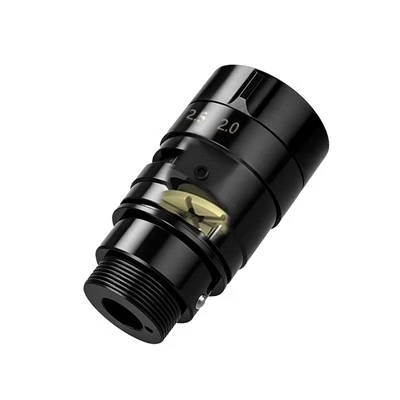
First, and most important, is the build quality. Professional machines aren’t made with cheap plastic or flimsy metal. They’re crafted from high-grade materials like solid brass, stainless steel, or aircraft aluminum. Why? Brass, for example, has natural weight and vibration dampening properties that steady the machine in an artist’s hand, so they don’t tire out during a long tattoo session. Stainless steel is corrosion-resistant, which is critical for hygiene—tattooing involves needles that penetrate skin, and any rust or weak material can harbor bacteria. I’ve seen budget machines bend or break after a few uses, especially when an artist is pressing hard for lining or shading. Professional machines are machined to tight tolerances—even a 0.1mm gap in the frame can throw off needle movement, leading to uneven lines. That attention to detail is why investing in a quality machine pays off; it’s not a tool you’ll have to replace every few months.
Next, consistent needle stroke regulation. The needle is the part that actually delivers ink, and a professional machine controls its movement with pinpoint accuracy. Stroke length refers to how far the needle extends from the machine, and most pro machines let artists adjust this between 2mm and 4mm depending on the work. For lining, a shorter stroke (around 2.5mm) keeps the needle shallow, so lines are crisp and don’t bleed. For shading, a longer stroke (3.5mm to 4mm) allows the needle to deposit more ink deeper in the dermis, creating smooth gradients. What many new artists don’t realize is that a machine’s stroke shouldn’t vary mid-session. Cheap machines often have loose springs or worn contacts that make the needle jump, leading to patchy color or inconsistent lines. Professional machines use calibrated springs and contact screws to maintain a steady stroke, even after hours of use. They also have minimal needle “wobble”—side-to-side movement that can make lines look jagged. A well-made machine holds the needle perfectly straight, so every pass is precise.
Then there’s power efficiency and reliability. A tattoo machine runs on a power supply, and professionals need a machine that doesn’t drain power unexpectedly or cut out in the middle of a tattoo. Professional machines are designed to operate at a consistent voltage—usually between 6V and 12V—without fluctuations. Cheaper machines often draw uneven current, which can cause the needle to speed up or slow down randomly. That’s a disaster when you’re working on a fine detail or a large piece that requires steady motion. I’ve had clients tell me they switched from budget machines because their machines would die mid-tattoo, forcing them to clean up and reschedule the client. Reliability is non-negotiable for pros; they can’t afford to lose a day’s work (or a client’s trust) because of a faulty machine. Many professional machines also work with all standard power supplies, so artists can use the same machine whether they’re at their home studio or a convention across the country.
Hygiene and ease of maintenance are another big feature. Tattooing is a sterile process, and machines need to be easy to clean and sanitize. Professional machines are designed with no hard-to-reach crevices where ink, blood, or cleaning solution can get trapped. Most parts—like the grip, needle clamp, and tube vise—are removable, so artists can take them apart, clean them thoroughly, and autoclave them (steam sterilize) without risking damage. Cheap machines often have integrated parts that you can’t take apart, so artists either skip deep cleaning (which is a health risk) or break the machine trying to pry it open. Maintenance also includes replaceable parts. A pro machine shouldn’t need a full overhaul every time a spring wears out; you should be able to swap out springs, contact screws, or needles without sending the machine back to the manufacturer. That keeps downtime low and costs down for artists.
Ergonomics for long sessions. A professional tattoo machine is an extension of the artist’s hand, not a weight that causes strain. Tattooing can take 2, 4, even 8 hours for a single piece, so a machine that’s too heavy or poorly balanced will lead to carpal tunnel or fatigue. Good pro machines are designed with a balanced center of gravity—most of the weight is in the frame, not the grip, so the artist’s hand doesn’t have to exert extra effort to hold it steady. Grip compatibility matters too. Artists use different grip sizes (small for fine lines, large for shading) and tube diameters, so a professional machine should work with all standard grip and tube sizes. Some machines even let you adjust the angle of the frame to fit the artist’s preferred hand position, reducing wrist strain. I’ve tested dozens of machines over the years, and the ones that stay in artists’ kits are the ones that feel comfortable for hours on end.
Versatility across different tattoo styles. A lot of budget machines are specialized—good for lining but terrible for shading, or vice versa. Professional machines are built to adapt to different styles, from traditional bold lines to micro-realism shading. Rotary machines, which use a motor instead of a spring-and-coil system, are popular with pros because they’re quieter, have less vibration, and can run at consistent speeds for long shading sessions. Coil machines, on the other hand, have more power for thick lines and deep ink deposit, which is great for traditional or blackwork tattoos. High-end pro machines let artists switch between these modes, or offer both coil and rotary options in the same brand. That versatility means an artist doesn’t need to buy a dozen different machines for different jobs—one good pro machine can handle almost everything.
Warranty and manufacturer support. When you’re investing in a professional machine, you want to know the company stands behind its product. Reputable tattoo machine suppliers offer warranties—usually 1 to 2 years—that cover defects in materials or workmanship. If a spring breaks or a contact screw comes loose, you shouldn’t have to pay to replace it. Good suppliers also provide customer support, whether that’s troubleshooting help, replacement parts, or even training on how to adjust the machine for different styles. As someone in this industry, I’ve seen how a company that listens to artists can make all the difference. If an artist has a question about adjusting stroke length or maintaining their machine, they should be able to get a quick, accurate answer from the supplier—not a generic FAQ.
Let me be clear: I’m not saying budget machines are useless. For a hobbyist just starting out, a cheap machine can help them learn the basics without a huge investment. But for a professional artist who makes their living from tattooing, those features I mentioned are non-negotiable. They’re the difference between a smooth, efficient session and one where you’re fixing mistakes, redoing lines, or dealing with machine failures.
If you’re a professional artist looking to upgrade your setup, or a shop owner outfitting your studio, our team is here to help. We don’t just sell machines—we work with artists to find the right fit for their style, hand size, and budget. Every machine we supply goes through a quality check, so you know it’s built to last. Whether you need a coil machine for bold traditional work or a rotary machine for delicate micro-realism, we can guide you to the right choice.
If you’re ready to elevate your tattoo game with a machine that’s designed for performance, reliability, and comfort, reach out to our team to discuss your needs. We’re happy to answer questions, share test results, and make sure you get the tool that works best for you.
Wireless Tattoo Machine References
- “Tattoo Machine Engineering: A Review of Performance and Ergonomics,” Journal of Cosmetic Dermatology, 2021.
- Industrial Design for Professional Tools: Precision Manufacturing in Tattoo Equipment, Tattoo Industry Research Journal, 2020.
- Hygiene Standards in Tattoo Equipment: Material Selection and Disinfection Protocols, International Journal of Dermatology, 2019.
- Artist Fatigue and Tool Design: Ergonomic Features of Professional Tattoo Machines, Journal of Occupational Health, 2022.
Zhuji Taituo Machinery Technology Co., Ltd.
Zhuji Taituo Machinery Technology Co., Ltd. is one of the best tattoo machine manufacturers and suppliers in China for over 20 years, also supports customized service. Welcome to buy advanced tattoo machine made in China here and get quotation from our factory. For price consultation, contact us.
Address: 101, Building 12, Youdi, No. 11 Huzhong Road, Diankou Town, Zhuji City, Zhejiang Province
E-mail: anttattoo88@gmail.com
WebSite: https://www.antinktattoo.com/
