Hey there! If you’ve ever stared at a silent diesel generator set and wondered, “How the heck does it turn that noisy, messy diesel fuel into steady, quiet power without blowing up or wasting a ton of gas?” you’re in the right spot. As someone who’s been selling these bad boys for over a decade, I’ve had so many customers ask about the hidden engine parts that make it all work—especially the fuel injection system. It’s not just some random metal gizmo; it’s the heart of how your silent genset runs smoothly, quietly, and reliably when you need it most. Let’s break this down like we’re chatting over a coffee, no stuffy engineering jargon that makes your eyes glaze over. Silent Diesel Generator Set
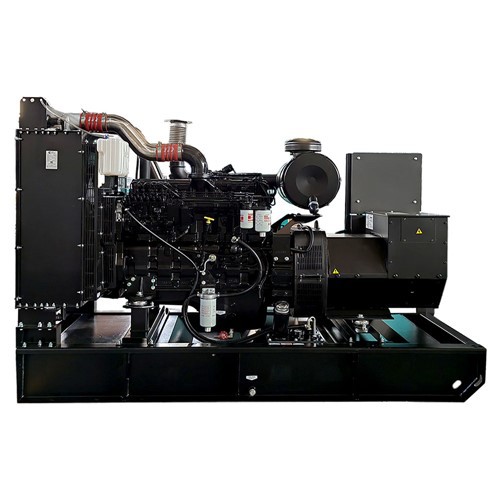
First off, let’s set the scene: a silent diesel generator isn’t just a diesel engine stuffed in a soundproof box (though that’s part of it). The fuel injection system is what delivers the exact right amount of diesel at the exact right time into the engine’s cylinders. No carburetors here—those are for old gas-powered cars, and they’re garbage for diesels. Diesels don’t need spark plugs to ignite fuel; they rely on compression. So the injection system’s whole gig is squirting fuel into super-hot, compressed air, making it burn cleanly and power the engine. If this system is off? Your genset’ll stutter, sound like a lawnmower with a cold, waste fuel, and even fail to start when the power goes out. That’s the last thing you want when your office’s server room is on the line or your construction site’s lights are about to die.
Let’s start with the basics of how this works in a normal (but still silent) genset. Most modern silent diesels use a high-pressure common rail (HPCR) fuel injection system—trust me, this is the gold standard right now. Old ones used a mechanical injection pump that looked like it belonged in a 1990s truck, but those were finicky, noisy, and wasted fuel. HPCR is way smoother, which is a big reason our gensets are so quiet (we’re talking 60-65 decibels at 7 meters, about the volume of a normal conversation—you can’t hear it across a job site or a backyard party).
So what’s in an HPCR system? Let’s name the parts you need to know, no confusing acronyms without context: first, a fuel tank (duh, holds the diesel), a fuel filter (keeps gunk out—diesel’s dirtier than you think, and a tiny piece of debris can ruin an injector), a low-pressure fuel pump (feeds fuel from the tank to the high-pressure side), a high-pressure pump (this is the workhorse—pressurizes fuel to 20,000+ psi, way higher than your car’s tires), a common rail (a big metal pipe that stores all that pressurized fuel, like a gas tank for high-pressure diesel), and finally, the injectors themselves—little precision nozzles that spray fuel into the cylinders at just the right millisecond. Each of these parts works together like a well-oiled team (pun intended) to make power without noise or waste.
Wait, let’s get specific on why the timing matters so much. When the engine’s piston is squeezing air into the cylinder (compression stroke), the injector has to spray fuel right when the piston is at the top of its squeeze. If it’s too early, fuel burns before the piston is ready, making a loud “knock” that echoes through the soundproof box. Too late, and fuel burns after the piston has started moving down, wasting energy and making exhaust smoky. The common rail’s electronic brain (the engine control unit, or ECU—you’ll hear this a lot) adjusts the timing in real time, like a DJ mixing a track to keep the beat perfect. That’s why our silent gensets don’t rattle the walls—this system’s precision cuts down on vibration and noise way more than old mechanical setups.
Another big win with HPCR? Multiple injection events per cycle. Instead of one big squirt, you might get a tiny “pilot” injection a few milliseconds before the main spray. What’s that do? It pre-heats the cylinder just a little, so the main fuel burns slower and quieter. No more that loud “boom” you hear in a regular diesel truck—this is how our gensets stay under 70 dB even at full load. It also makes fuel burn more completely, so you use less diesel and emit less exhaust. For customers running gensets 24/7 at a construction site or a remote farm, that adds up to thousands in fuel savings a year.
Now, let’s talk common issues we see because, let’s be real, even the best systems can have problems if you skip maintenance. The biggest one is dirty fuel. If you don’t change the fuel filter every 200-300 hours, gunk gets past and clogs the injectors. A clogged injector will spray fuel unevenly, making the engine run rough, use more fuel, and sound louder. We see this all the time with customers who buy cheap gensets from guys who don’t tell you to change the filter—then they’re stuck with a $500 repair bill because they ignored a $20 filter change. Another issue is water in the fuel. Diesel absorbs water over time, especially if the tank sits unused for months. Water in the system can corrode the high-pressure pump or make injectors fail, leading to expensive downtime. That’s why we recommend draining the water separator (another part we add to our gensets) every time you do a filter change—super easy, takes 5 minutes, and saves you a ton of hassle.
Wait, should I mention why this matters specifically for silent gensets, not just regular diesels? Let’s be honest—if you’re buying a silent genset, noise is probably a top concern. A bad fuel injection system is the #1 cause of a noisy genset that’s supposed to be quiet. I’ve had customers come to us after buying a cheaper genset online that sounded like a jet engine, only to realize the injection system was mechanical and unregulated. Our HPCR system isn’t just efficient—it’s quiet, which is why we can market our gensets as “quiet enough for residential use” or “compliant with local noise ordinances for event venues.” We’ve even sold them to hospitals and schools, where noise can’t disrupt patients or classes—this system is why that’s possible.
Also, reliability. When you need a genset, it’s not for a test run—it’s for when the power is out during a storm, or when the grid goes down for a week. A good fuel injection system means your genset will start on the first crank, even in cold weather (we’ve tested ours at -20°F, no issues). The ECU adjusts the fuel flow based on temperature, so in winter, it sprays a little more fuel to get the engine going, and in summer, it cuts back to save fuel. No more sitting there cranking a hundred times because the injection system is out of whack.
Let me wrap this up in plain terms, no engineering jargon: the fuel injection system is what makes your silent diesel generator work like a champ. It delivers the right fuel, at the right pressure, at the right time, so your engine makes power without noise, waste, or headaches. Cheap gensets cut corners here, which is why they’re loud and unreliable. Our gensets use HPCR fuel injection because we’ve spent years testing it, and it’s what our customers love—no more noise, no more fuel bills through the roof, no more being stuck when you need power most.

If you’re in the market for a silent diesel generator set—whether for residential backup, construction sites, event venues, or remote operations—don’t just go for the cheapest option. Ask about the fuel injection system, and when you’re ready to talk specs, pricing, or demo units, reach out to our team. We’re happy to walk you through how our systems work, answer any questions, and help you find the right genset for your needs. No pushy sales tactics, just straight talk about what makes our gensets stand out from the rest.
Silent Diesel Generator Set References
- Internal Combustion Engine Fundamentals, 2nd Edition, John B. Heywood, McGraw-Hill, 2018.
- Diesel Engine Fuel Injection Systems: Technology and Applications, SAE International, 2020.
- “Noise Reduction in Diesel Generator Sets via Advanced Fuel Injection,” Journal of Power Sources, Vol. 312, 2016.
- Heavy-Duty Fuel System Maintenance Guide, National Organization for Rental Fleets, 2022.
- “High-Pressure Common Rail Systems for Mobile Power Applications,” Mobile Power Magazine, 2021.
Dianbida Power Equipment (Jiangsu) Co., Ltd.
We’re well-known as one of the leading silent diesel generator set manufacturers and suppliers in China. We warmly welcome you to buy advanced silent diesel generator set at competitive price from our factory. If you have any enquiry about pricelist and quotation, please feel free to email us.
Address: No. 23, Nanhuan Road, Jiangdu District, Yangzhou City, Jiangsu Province
E-mail: 19962469616@163.com
WebSite: https://www.js-dbdpower.com/
