Hey everyone, let’s cut to the chase — if you’ve been searching for wall panels lately, you’ve probably seen “laminate wall panels” and “veneer wall panels” thrown around like they’re the same thing. Trust me, I get it, when you’re picking materials for a commercial office, a cozy home renovation, or even a retail space, mixing these two up can cost you time, money, and even headaches down the line. I’m a wall panel supplier who’s worked with both for years, and today I’m breaking down exactly what makes them different, no confusing jargon, just real talk from someone who’s actually on the ground helping clients pick the right fit. Wall Panel
First, let’s start with the basics, keep it simple. Both laminate and veneer are designed to look like real wood, right? That’s the whole point — most people want that warm, natural wood vibe without the hassle of solid wood. But how they’re made is where the magic (or the difference, more like) starts.
Laminate wall panels are a engineered material, plain and simple. They’re made by pressing multiple layers of fiberboard or particleboard together under intense heat and pressure, no exceptions. The top layer isn’t real wood — it’s a high-resolution paper that’s printed to look like oak, walnut, pine, whatever you want. Then they seal that printed paper with a clear protective layer, usually melamine resin, to make it scratch-resistant, stain-resistant, all that good stuff. I don’t cut corners on the core material either — I use medium-density fiberboard (MDF) for most laminates now because it’s more stable than particleboard, so it won’t warp if the humidity shifts. That’s a big win for places like basements or restaurants where spills are common.
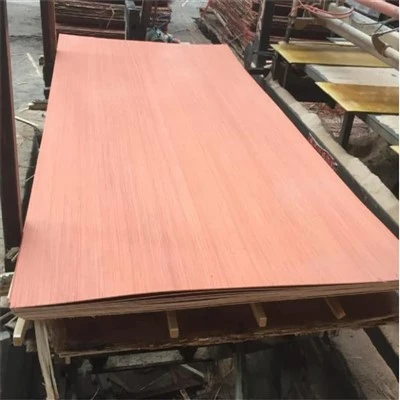
Veneer wall panels? That’s where the real wood comes in. Veneer is super thin slices of actual wood, like 1/28th of an inch thick, glued to a core — usually MDF, plywood, or even solid wood. The key here is that the veneer itself is the real deal. One panel could be white oak veneer, another could be mahogany, and each one has that unique grain pattern you can’t replicate with print, right? No two veneer panels look exactly the same, because each piece of wood has its own character. I source my veneers from sustainable suppliers too, so that’s a big plus for clients who care about eco-friendly materials.
Now let’s get into the stuff that actually matters when you’re choosing: durability, cost, look, and maintenance. Let’s go one by one.
Durability first. Laminate is a tank. That melamine top layer is tough as nails. You can spill coffee, wipe it down with a strong cleaner, move furniture against it, even scratch it with a key sometimes, and it won’t stay damaged. I’ve had clients in retail spaces where customers lean on walls, kids scribble with markers, and their laminates look brand new years later. Veneer, on the other hand, is softer. The real wood surface can scratch easier, stain if you don’t wipe up spills fast, and it’s way more susceptible to heat — like, leave a hot mug on it and you might get a ring or a scorch mark. But wait, here’s the upside to veneer: it’s repairable. If you scratch laminate, that’s it, the print layer is gone, you can’t fix it. With veneer, you can sand down the scratch and refinish it, bring it back to looking almost new. That’s huge for high-end homes or luxury offices where you want a panel that ages gracefully.
Cost is next, and this is a big one for most people. Laminate is way more budget-friendly. Because the top layer is just printed paper, not real wood, it’s cheaper to manufacture. That’s why you’ll see laminate panels in office buildings, schools, and budget renovations — you get the wood look without the premium price tag. Veneer is more expensive because it’s actual wood, and high-quality veneer (like quarter-sawn oak) can be pricey. Also, because each veneer panel is unique, custom orders take more work, so that adds to the cost too. But again, you get what you pay for — if longevity and that authentic wood feel matter, veneer is worth the extra cash.
The look is where people have strong opinions. Let’s be real, laminate is good at mimicking wood — most people can’t tell the difference at first glance. But if you get up close, you’ll notice the grain is a little too perfect, it’s consistent across every panel. Veneer? That’s the real deal. The grain has natural variations, knots, even subtle color differences between panels, which gives it that warm, lived-in feel. Some clients love that — it makes the space feel unique, not like a cookie-cutter office. Others prefer the uniformity of laminate, especially for a modern, sleek look where you want everything to match exactly. I had a client do a whole open office with walnut laminate last year, and it looked so clean, no weird grain patterns to distract from their work areas. Another one did a high-end living room with white oak veneer, and guests always comment on how “authentic” the walls feel.
Maintenance? Let’s keep this simple. Laminate is super low-effort. Just wipe it down with a damp cloth and a mild cleaner, done. You don’t have to wax it, condition it, anything. Veneer needs a little more TLC. You should dust it regularly, use wood-specific cleaners (not harsh chemicals), and every few years, you might want to reapply a clear finish to keep it looking fresh. It’s not hard, it’s just extra step you don’t have with laminate.
Wait, let’s clear up a common myth here — a lot of people think veneer is the same as solid wood, but it’s not. Solid wood walls are thick, heavy, way more expensive, and prone to warping. Veneer is thin, lightweight, much more stable, because it’s glued to a core material that doesn’t move as much. Laminate is even more stable, since it’s all pressed layers, so it’s perfect for places with inconsistent humidity — like a bathroom, or a cabin that goes from dry winter to humid summer. I’ve installed both in bathrooms before, and laminate holds up way better than veneer in that kind of moist environment.
So when should you pick which one? Let’s break that down with real examples, because that’s what clients actually need. If you’re doing a commercial space with high foot traffic, low budget, and you need something that’s easy to maintain and hard to damage — laminate is your guy. Retail stores, doctor’s offices, school hallways, that’s all laminate territory. If you’re doing a luxury home, a high-end restaurant, or a office where brand image is big and you want that authentic wood vibe, go with veneer. Even bedrooms, where you want a cozy, warm feel — veneer can make a space feel way more inviting than laminate.
I’ve had clients come to me and say “wait, can I mix both?” and yeah, totally! I installed a coffee shop recently where the counter backsplash was walnut veneer (to look premium for customers) and the back walls were dark laminate (to hide coffee spills and daily wear). It worked perfectly, no one even noticed the difference until I pointed it out. That’s the great thing about having both options — you don’t have to choose just one.
Another thing a lot of people don’t ask about: installation. Both are pretty easy to install, but laminate is lighter, so it’s simpler for DIYers to handle if you’re doing a small project. Veneer is a little heavier, so I usually recommend a professional installer for larger projects, just to make sure it’s straight and the panels fit together right. But honestly, both are way easier than installing solid wood walls, which you have to sand and finish on site.
Let me also address some downsides that I’ve seen with both, so you can go in with your eyes open. Laminate’s biggest con is that it’s not eco-friendly — the melamine layer is a plastic, so it’s not recyclable. If sustainability is your top priority, veneer is the way to go, especially if I source it from FSC-certified suppliers, which I do. Veneer’s only real big con is the maintenance and cost, like I said earlier.
Wait, let’s test this with a real story. A year ago, a client came to me wanting to redo their basement home theater. They were torn between laminate and veneer. They had kids, so they were worried about messes, and their budget was mid-range. We went with dark charcoal oak laminate — it was stain-resistant, easy to wipe down if the kids spill soda, and it looked sleek enough for the theater. Six months later, they reached out to say it still looked brand new, no scratches, no stains. Another client, a family doing a master bedroom, went with white oak veneer. They said it feels way warmer than any laminate they looked at, and even though they have a dog that scratches doors, the worst mark was a small scratch that I sanded out for them last month, no cost. That’s the kind of real result that matters, not just specs.
At the end of the day, the difference boils down to three things: budget, durability needs, and the look you want. Laminate is the workhorse — cheap, tough, uniform, perfect for high-traffic areas or tight budgets. Veneer is the premium choice — authentic wood, repairable, unique, great for spaces where you want that high-end feel.
If you’re still not sure which one is right for your project, hit me up. I don’t push one or the other — I just ask you a few questions: Where is this going? How much wear and tear will it get? What’s your budget? What vibe are you going for? That’s how I help every client find the perfect fit, no pressure, no confusing sales talk. Don’t overthink it — sometimes the best choice is just the one that works for your space and your needs.
Melamine Board References:
- Wood Products Association. (2022). Engineered Wood Wall Panels: Composition and Application.
- National Kitchen and Bath Association. (2021). Durability Comparison of Laminate and Veneer Surfaces.
- Forest Stewardship Council. (2023). Sustainable Veneer Sourcing and Wall Panel Manufacturing.
- Journal of Interior Design. (2020). Aesthetic and Functional Trade-Offs in Residential Wall Panel Selection.
Lisen Wood Industrial Shouguang Co., Ltd.
Lisen Wood Industrial Shouguang Co., Ltd. is one of the most professional wall panel manufacturers and suppliers in China, featured by quality products and low price. Please rest assured to buy discount wall panel from our factory. Welcome to contact us for quotation and free sample.
Address: Nongsheng road, shouguang,shandong province, china
E-mail: liuzhenxi@lisenboard.com
WebSite: https://www.sglswood.com/
