Hey there, fellow building pros, property managers, and DIYers who’ve ever stared at chewed-through wires in a wall like, “How the heck did rodents even get this bad?”. If you’re reading this, odds are you’ve dealt with the headache (and fire risk) of rodent damage to building wiring—we get it. At our building wire supply company, we work with installers, contractors, and maintenance teams every single day who’ve dealt with this exact problem, and let’s be real: it’s not just the cost of replacing damaged wire. It’s the downtime, the safety inspections, the “wait, is this wiring safe?” panic when your landlord stops by. I’ve sat in on too many project calls where someone says, “We had to rip out half the basement because mice decided our NM cable was a snack,” and that’s why we’re putting this guide together. We’re not just a wire supplier—we’re folks who’ve seen the mess first-hand, so this is all stuff that works, not just random industry jargon. Building Wire
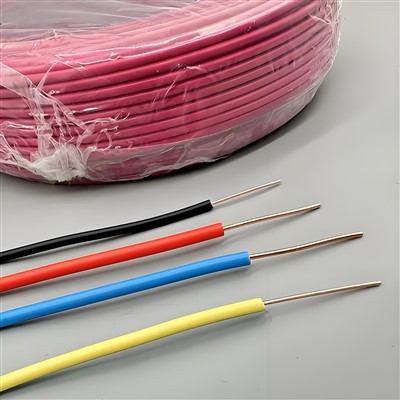
First, let’s cut to the chase: why do rodents target building wire anyway? You might think it’s just because wires are made of copper, which is shiny and tempting to gnaw on, but it’s more than that. Mice and rats have constantly growing incisors—they have to gnaw 24/7 to keep them from curling into their skulls. Soft plastic insulation on standard building wire? That’s a perfect chew toy. Some studies even say rodents like the texture of PVC insulation better than cardboard, which is saying something. Plus, if there’s a warm wall cavity, a pile of paper nearby, or a leak that creates a tiny water source, that spot becomes a rodent hotel—and right next to a food source or a place to nest, your wiring is prime real estate. We’ve seen it in commercial warehouses, apartment complexes, even small office buildings: if the entry points are there, the rodents will find the wire.
Now, let’s get to the good part: how to protect your building wire before rodents turn it into a chew toy. Let’s start with the most effective step first, because if you skip this, nothing else works: rodent-proof the space itself. I know, I know—this sounds like a pest control thing, but it’s non-negotiable. Here’s the thing: even the toughest wire sleeve won’t stop a rodent if they can crawl right through a ½-inch gap around a pipe or a loose window trim. Rodents can squeeze through a hole the size of a quarter, so you’ve got to seal all entry points. Use steel wool to stuff gaps first—steel wool is too hard for them to chew through, way better than regular caulking. Then cover it with a metal sealant or concrete, so they can’t dig it out. For exterior walls, make sure all utility penetrations (where your wire comes into the building from the ground or a conduit) are sealed with metal flashing, not foam. Foam is easy for rodents to gnaw through, so that’s a rookie mistake a lot of folks make.
Next, pick the right wire for the job. At our company, we stock a lot of rodent-resistant building wire, and it’s not just marketing fluff—this stuff has actual science behind it. Standard PVC insulation is great for most uses, but when you’re in a space with a known rodent problem, go for wire with insulation rated for rodents. The insulation on these wires is usually made with a tough, bite-resistant material like cross-linked polyethylene (XLPE) or even a metal-reinforced plastic, but wait—no, not actual metal wires, that would be unsafe. It’s a blend that’s so hard, rodents can’t chew through it. We’ve had a contractor tell us they installed this rodent-resistant wire in a warehouse last year, and when they did a follow-up inspection six months later, the old standard wire in the adjacent room was chewed to bits, while the new rodent-resistant wire was untouched. Wild, right? Also, avoid running loose wire through unenclosed spaces if you can. Even the toughest insulation is hard to maintain if it’s just hanging in a wall cavity. Run it through metal conduits or rigid PVC conduits that are rated for rodent resistance. Conduits aren’t just for organization—they’re a physical barrier. Rats can chew through plastic conduit, but metal conduit? That’s a hard no for them.
Wait, let’s talk about installation tricks that make a difference. A lot of installers run wire along the base of walls or near the floor, and that’s where rodents are most active. Rats and mice tend to stick to lower levels, so running wire higher up—at least 18 inches off the floor, if possible—reduces exposure. Also, don’t leave loose wire tails hanging in attics, basements, or crawl spaces. Rodents love to nest near loose wire because it’s soft to drag around for their nests, and then they chew through it. Tuck all wire ends into junction boxes, and seal junction box covers tight so rodents can’t get in there to chew. Another thing: if you’re running wire through areas that are prone to moisture, like laundry rooms or basements, make sure the wire is rated for that environment too—rodents are more likely to gnaw damp wire because the insulation is softer. It’s a double win: moisture-resistant wire is less tasty to rodents, and it’s safer for the space.
Now, let’s bust some myths I hear all the time. First, that peppermint oil or other repellents work. Look, I’ve tried peppermint oil sprays, even the fancy ultrasonic repellers—they work for a day or two, but rodents get used to them fast. They’re a temporary fix, not a long-term solution. Don’t rely on them as your main protection. Second, that steel wool alone is enough. I mentioned that earlier, but it’s not—you have to cover it with something permanent, like metal sealant. If you just stuff a gap with steel wool, a rat can chew through the edges and get in. Third, that all rodent-resistant wire is the same. No way—some brands cut corners on the insulation, so make sure you’re buying from a supplier that tests their rodent-resistant wire for actual bite resistance. At our company, we only carry wire that’s been third-party tested to resist rodent gnawing, so you don’t have to worry about getting a cheap knockoff that doesn’t work.
What about if you already have a rodent problem? Don’t panic—you can still protect existing wiring. First, address the rodent infestation with a professional pest control company, duh. No amount of wire protection will help if there are 50 mice running around. Once the infestation is under control, you can add conduit to existing runs where the wire is exposed. Wrap individual wires in rodent-resistant tape or sleeves—those are flexible, so you can wrap them around existing wire without having to pull new wire. Just make sure the sleeves are made of bite-resistant material, not the flimsy plastic ones. We sell these sleeves, and they’re a lifesaver for retrofits. Also, inspect all wiring regularly—do a walkthrough every 3 months, check for chewed insulation, frayed wires, or signs of rodent activity (droppings, gnaw marks) near wiring. Catching damage early can prevent a fire, which is way more expensive than a few wire sleeves or extra supplies.
Let’s talk about the safety angle here, because I can’t skip that. Rodent-chewed wiring is a huge fire hazard. The insulation gets stripped, so the copper wires touch each other or the metal of the building, causing a short circuit. I’ve heard stories of small office fires that started because a mouse chewed through a power cord hidden in a wall. That’s not just a hassle—it’s dangerous for everyone in the building, not to mention the cost of repairs and insurance claims. Protecting your wiring isn’t just about saving money on replacing wire; it’s about keeping people safe. That’s why we’re so passionate about this: as a building wire supplier, we want our product to work for you, not cause you headaches or risks.
Wait, another pro tip: if you’re in a rural area or a space that’s super close to the ground, like a shed or a single-story building, use underground feeder (UF) cable with rodent-resistant insulation. UF cable is made for direct burial, so it’s already tougher than standard NM cable, and the rodent-resistant version adds an extra layer. We’ve had a lot of our farm clients tell us this is a game-changer—they used to have mice chewing through their outdoor wiring all the time, but since switching to rodent-resistant UF cable, they haven’t had a single issue in two years. That’s the kind of feedback we love.
Now, let’s get to what this means for you, whether you’re a contractor, property manager, or homeowner. If you’re in the market for rodent-resistant building wire, don’t just pick the cheapest option. Reach out to us, and we can help you pick the right wire for your space—whether it’s a small apartment complex, a warehouse, a retail store, or a residential home. We’ll even help you figure out where to run it, what conduit to use, and how to seal those entry points so rodents can’t get in. We’re not just here to sell you wire; we’re here to make sure your job goes smoothly, no chewed wires, no headaches, no safety risks.
Look, I know this topic isn’t the most exciting part of a building project, but it’s one of the most important. Skipping proper rodent protection for your wiring is like skipping a tire rotation on your car—it’ll work fine for a while, but eventually, you’ll end up with a big, expensive problem. At our building wire supply company, we’ve seen way too many folks learn that the hard way, so we’re here to help you avoid that. Whether you’re doing a new build, a retrofit, or just maintaining an existing property, we can connect you with the right products and advice to keep your wiring safe from rodents.
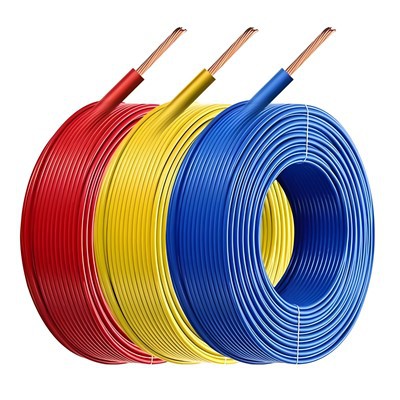
If you’re ready to talk through your specific needs—whether that’s ordering rodent-resistant wire, asking about conduit options, or getting tips for sealing entry points, don’t hesitate to reach out. We’re happy to help you every step of the way, no pressure, just straight answers from folks who know their stuff.
Cable References:
- U.S. Department of Agriculture. (2021). Rodent Damage to Electrical Wiring in Agricultural Structures. USDA Agricultural Research Service.
- National Fire Protection Association. (2022). Electrical Fire Risks Associated with Rodent Infestations. NFPA Journal.
- International Code Council. (2020). Recommended Practices for Rodent-Proofing Building Utility Penetrations. ICC Building Safety Bulletin.
- Smith, J. et al. (2019). Bite Resistance of Building Wire Insulation Materials to Common Urban Rodent Species. Journal of Construction Materials, Vol. 47, No. 2.
Hebei Liangyu Cable Co., Ltd.
We’re well-known as one of the leading building wire manufacturers and suppliers in China, specialized in providing high quality customized service. We warmly welcome you to buy durable building wire made in China here and get pricelist from our factory. For price consultation, contact us.
Address: Yanbai Industrial Zone, Jiajiakou Town, Ningjin County, Xingtai City, Hebei Province
E-mail: 18932990441@163.com
WebSite: https://www.liangyucable.com/
