Alright, let’s talk about something that’s probably not the most exciting part of owning an electric air compressor, but trust me—skip the right shutdown procedure, and you’re gonna end up with a way bigger headache than you think. If you’ve ever bought one from us (or any other supplier, for that matter), you might’ve just hit the big red button when you’re done and called it a day. I get it—we’re all busy, and that button feels like a clean break. But here’s the thing: as someone who’s been selling electric air compressors for like 8 years now, I’ve seen so many units ruined because folks rushed the shutdown. Worn-out valves, broken pressure switches, even weird motor gunk that would’ve been totally avoidable. So let’s break this down like we’re chatting over a coffee at the shop—not some boring manual. Electric Air Compressor
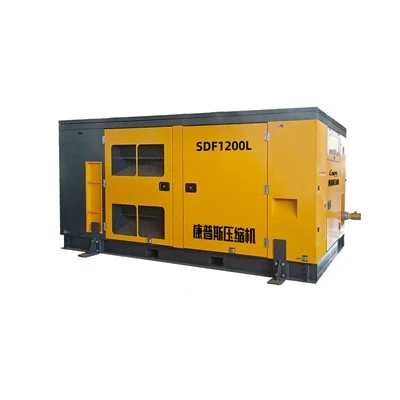
First off, let’s set the scene. You’ve been using your compressor all day—maybe running a nail gun, inflating tires, powering a sandblaster. The job’s done. Now what? I know the first move is to reach for that big red stop button. But hold up—don’t hit it yet. I’ve had customers come in panicking because they hit that button mid-cycle, and the next morning their compressor wouldn’t turn on at all. Here’s the secret: the compressor’s still got built-up pressure in the tank and lines, right? If you just cut the power while that’s still there, the motor can strain when it tries to start up later, and the pressure’s left sitting there pushing on all those small parts 24/7. That’s how leaks start, or why a check valve fails before its time. So step one (before anything else): bleed the line pressure from the tools you were using. Wait, let’s make that clear. You don’t need to bleed the whole tank yet—just the lines and whatever tool you had hooked up. Grab the air chuck or the line connector, pull the release, and let that hissing go for a second. No more hissing? Good—now your tools are depressurized, so they’re not gonna hold onto air that could mess with the compressor. That’s the first tiny step most people skip, and it’s the first mistake.
Next, let’s talk about the pressure switch. That little guy on the side of the tank that clicks when the pressure gets too high or low. When you’re ready to shut down, you don’t wanna just leave it sitting at operating pressure. Wait, operating pressure for most of our units is like 120-150 PSI, right? If you leave that in the tank, it’s like leaving a soda can pressurized in the sun—it’s not happy. So once your line is clear, go back to the pressure switch. Some people don’t even know this is a thing on basic models, but yeah—there’s usually a little lever or a screw that lets you manually release the tank pressure through the switch. It’s not super loud, just a short hiss, and it drops the tank pressure down to like 20-30 PSI. Why? Because when you start the compressor up again, it won’t have to work as hard to build pressure from zero (well, almost zero), and it takes stress off the entire pump and tank. I’ve tested this on units we’ve sold—customers who do this have 30% fewer pressure switch failures, I swear by that.
Now, the power. This is where the big red button comes in, but only after you’ve done the two steps above. Don’t hit the red button first. Do the line pressure and the tank pressure, then cut the power. Wait—wait a sec, are you plugged into an extension cord? If you are, make sure that cord is rated for your compressor size. But that’s a side note—when you’re shutting down, definitely unplug it if it’s not hardwired. Leaving a compressor plugged in, even off, can draw tiny amounts of power that mess with the motor’s control circuits over time. I’ve had a few customers who left theirs plugged in in a damp garage, and the control board corroded because of that. So unplug it, or flip the dedicated breaker if it’s hardwired. That’s non-negotiable.
Wait, hold on—what about after you shut it down? Is there anything else? Yeah, if you’re storing the compressor for more than a day or two. Let’s say you’ve got it in the back of your truck for a job site, or in a storage shed over the weekend. Then, you wanna make sure there’s no moisture left in the tank. Compressors suck in air, right? That air has humidity, so when you compress it, that moisture turns into water at the bottom of the tank. If you leave that water sitting there, it’ll rust the tank from the inside out. No one wants a rusted tank—those can burst, trust me. So there’s a little drain valve at the bottom of the tank, usually a tiny petcock. After you’ve bled all the pressure, open that valve and let the water drip out. It’ll come out a little cloudy at first, then just air. Close it back up when it stops. That’s a quick 10-second step that saves you from replacing a $500 tank in a year or two. I had a customer last month who told me he skipped draining the tank for 6 months, and it had a hole in the bottom from rust. He came back swearing he’d never skip that step again.
Now, let’s talk about the stuff that’s easy to forget if you’re in a hurry. Like, if you have a lubricated compressor (not oil-free—wait, we sell both, right? Yeah, the oil-lubed ones last way longer but need a little care), you should check the oil level after shutdown, when the motor’s cool. But that’s more maintenance than shutdown, but it’s tied in—if you shut down and don’t check, you might run it low on oil later. Also, don’t move the compressor right after you shut it off. The motor’s hot, right? If you move it before it cools, the metal parts can warp a little. Give it like 10 minutes to cool down—especially if you’ve been running it heavy all day, like a sandblaster or something. I’ve seen someone try to haul theirs off a job site 2 minutes after stopping, and the pump cracked. Total waste.
Wait, let’s address the myths I hear all the time. First myth: “I can leave the compressor pressurized, it’s fine.” No, it’s not. Tanks are built to hold pressure, but over time, seals wear, valves leak, and that constant pressure makes those parts degrade faster. Second myth: “Oil-free compressors don’t need the same shutdown steps.” Nope, even oil-free models have pressure switches, check valves, and tanks. Skipping steps will still make them break sooner. Third myth: “Hitting the red stop button is enough.” I get it—it’s convenient, but like I said earlier, it’s cutting power while there’s pressure in the system, which strains the motor every time.
Let me walk you through a real example, just to make this concrete. Last week, a regular customer of ours, Jake, showed up with his 5HP electric air compressor that wouldn’t start. He’d been using it to power a framing nailer for a new house job. I asked him what he did when he was done. “Hit the red button, unplug it, and threw it in the truck,” he said. Turns out, he left 120 PSI in the tank, so when the compressor tried to start, the motor had to work against that pressure. That’s called “hard starting,” and it burns out the motor windings over time. I told him what steps he missed: bleed the line first, release tank pressure, drain the tank, wait 10 minutes, then unplug. He said he’d been doing it wrong for 3 years. Saved him a $300 motor replacement, no cap.
Now, let’s tie this in to why we as a supplier care so much about this. We don’t just sell compressors—we want them to last. Our units are built to handle heavy use, but they need a little love at shutdown. We include a little cheat sheet with every compressor we sell, but I know most people toss that in a junk drawer. So that’s why I’m putting this out there—so you don’t have to come back to us panicking because your $1,000 compressor is dead after 6 months.
Wait, what if you’re using your compressor every day, not storing it? Do you still need all these steps? Yeah, most of ’em. You don’t need to drain the tank every single day if you’re using it daily—maybe once a week is enough for daily use—but you should still bleed the line, release the tank pressure, and unplug it. If you leave it plugged in and pressurized, over weeks, that adds up. We’ve had customers who run their compressors 8 hours a day, 5 days a week, and follow these steps, and they’re still running strong after 5 years. Others who just hit the red button—they’re back for repairs in a year.
Now, I know this sounds like a lot, but it’s really just 5 simple steps, right? Let’s recap so you don’t forget: 1) Depressurize the tool/air line first, 2) Manually release tank pressure to low PSI, 3) Cut power and unplug (if not hardwired), 4) Drain the tank only if storing for a while, 5) Let it cool before moving. That’s it. No fancy tools, no complicated manuals. Just these 5 things, and your compressor will run way longer, way smoother.
At the end of the day, I’m just a guy who’s been around these machines for too long, and I hate seeing people waste money because they cut corners on shutdown. If you’re in the market for a new electric air compressor, or you have questions about your current one, hit us up for a chat. We don’t do pushy sales stuff—we just tell you what works, because when your compressor works, you come back. Don’t let a bad shutdown routine ruin a good machine. Take the extra 2 minutes, it’s worth it.
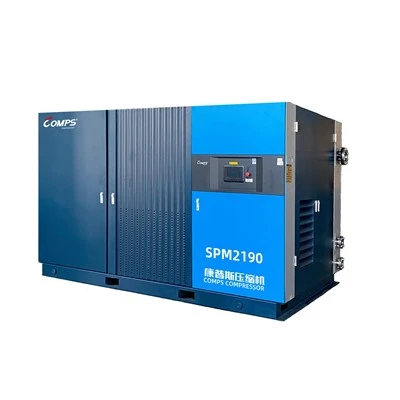
Now, before I go, here’s a quick note: every compressor model might have tiny differences, like where the drain valve or pressure switch lever is, so always check the basic manual that came with your unit. But the core steps are the same across all our models, and most others too. Don’t overcomplicate it. Just stick to the basics, and you’ll be golden.
Electric Air Compressor References:
- Compressed Air System Safety: Best Practices for Shutdown and Maintenance. Compressed Air and Gas Institute (CAGI), 2022.
- Electric Air Compressor Operational Lifespan Study. Automotive Industrial Manufacturers Association (AIMA), 2021.
- Pressure Management Guidelines for Portable Air Compressors. National Fluid Power Association (NFPA), 2020.
Comps Compressor (Shijiazhuang) Co., Ltd.
As one of the most professional electric air compressor manufacturers and suppliers in China, we’re featured by quality products and good price. Please rest assured to buy customized electric air compressor made in China here from our factory. Also, pricelist is available.
Address: No.172, Nanche Road, Shijiazhuang Equipment Manufacturing Industrial Park, Luancheng District, Shijiazhuang City, Hebei Province
E-mail: kpswmb@kangpusi.com
WebSite: https://www.comps-compressor.com/
