Hey there! I’m a supplier in the metallurgical industry equipment business. Today, I wanna talk about the materials used in the manufacturing of metallurgical industry equipment. It’s super important to know what goes into making these machines, ’cause it directly affects their performance, durability, and cost. Metallurgical Industry Equipment

Metals and Alloys
Let’s start with the most obvious ones: metals and alloys. These are the backbone of metallurgical equipment.
Steel
Steel is like the go – to material. It’s strong, relatively cheap, and easy to work with. Carbon steel is widely used in making structural parts of equipment, like frames and supports. For example, in a blast furnace, the outer shell is often made of carbon steel. It can withstand high temperatures and mechanical stress.
Stainless steel is another great choice. It has excellent corrosion resistance, which is crucial in environments where the equipment is exposed to harsh chemicals or moisture. In a metallurgical plant where there are lots of acidic or alkaline substances around, stainless steel valves and pipes are commonly used. They won’t rust easily, which means less maintenance and longer service life.
Alloy steel is even more specialized. By adding elements like chromium, nickel, and molybdenum, alloy steel can have enhanced properties such as high strength, toughness, and heat resistance. In high – speed rolling mills, alloy steel rolls are used to handle the intense pressure and friction during the rolling process.
Iron
Cast iron is still used in some components. It has good casting properties, which allows for the production of complex shapes. It’s also relatively inexpensive. You’ll find cast iron used in parts like machine bases and some types of heavy – duty brackets. Gray cast iron, for instance, is known for its good damping capacity, which helps reduce vibrations in the equipment.
Non – ferrous Metals
Aluminum is lightweight and has good thermal conductivity. In some heat – exchange equipment in the metallurgical industry, aluminum alloy components are used. They can transfer heat efficiently and reduce the overall weight of the equipment.
Copper and its alloys are also important. Copper has excellent electrical conductivity. In electrical parts of metallurgical equipment, such as motors and transformers, copper is used for wiring and windings. Brass, an alloy of copper and zinc, is corrosion – resistant and has good machinability. It’s often used in making small fittings and valves.
Titanium is a high – performance metal. It has a high strength – to – weight ratio and excellent corrosion resistance, especially in seawater and some corrosive chemical environments. Although it’s more expensive, in some specialized metallurgical applications where weight reduction and high corrosion resistance are critical, titanium components are used.
Ceramics
Ceramics are becoming increasingly important in the metallurgical industry equipment manufacturing.
Refractory Ceramics
Refractory ceramics are used in areas where extremely high temperatures are involved, like in furnaces. Materials like alumina (Al₂O₃), magnesia (MgO), and zirconia (ZrO₂) are commonly used. Alumina – based refractories are very hard and have high melting points. They can line the inside of a steel – making furnace, protecting the outer structure from the intense heat of the molten metal.
Magnesia – based refractories are known for their good resistance to basic slags. In a basic oxygen furnace, magnesia bricks are often used to line the furnace walls. Zirconia has excellent thermal insulation properties and can withstand rapid temperature changes. It’s used in some high – tech furnace applications.
Engineering Ceramics
Engineering ceramics, such as silicon carbide (SiC) and silicon nitride (Si₃N₄), are used in components that require high wear resistance and mechanical strength. In grinding wheels used in metallurgical finishing processes, silicon carbide is a popular choice. It can grind metals effectively and has a long service life. Silicon nitride is used in some high – speed cutting tools and bearings because of its high hardness and low friction coefficient.
Composites
Composites are materials made by combining two or more different materials to get the best of both worlds.
Fiber – Reinforced Composites
Fiber – reinforced composites are widely used in the metallurgical industry. Glass – fiber – reinforced plastics (GFRP) are relatively inexpensive and have good corrosion resistance. They can be used in making some non – load – bearing covers and enclosures for equipment in corrosive environments.
Carbon – fiber – reinforced composites (CFRP) are much stronger and lighter. They have high stiffness and strength – to – weight ratio. In some advanced metallurgical equipment, CFRP components are used to reduce weight and improve performance. For example, in some high – speed rotating parts, CFRP can help reduce inertia and improve energy efficiency.
Metal – Matrix Composites
Metal – matrix composites (MMCs) combine a metal matrix with ceramic or other reinforcing materials. For example, aluminum – matrix composites with silicon carbide particles can have improved strength, stiffness, and wear resistance compared to pure aluminum. These MMCs are used in some automotive and aerospace – related metallurgical applications where high – performance components are required.
Polymers
Polymers also have their place in the manufacturing of metallurgical industry equipment.
Thermoplastics
Thermoplastics like polyethylene (PE) and polypropylene (PP) are used in making some non – critical parts. They are lightweight, easy to process, and have good chemical resistance. In some storage containers for non – corrosive liquids in a metallurgical plant, PE or PP containers are used.
Polyvinyl chloride (PVC) is another common thermoplastic. It’s used in making pipes and fittings for transporting water and some non – aggressive chemicals in the plant.
Thermosetting Plastics
Epoxy resins are thermosetting plastics that are often used as adhesives and coatings. In equipment assembly, epoxy adhesives can be used to bond different parts together. Epoxy coatings can be applied to metal surfaces to provide corrosion protection. Phenolic resins are also used in some electrical insulation parts of metallurgical equipment because of their good electrical insulating properties and heat resistance.
So, as you can see, there are a wide variety of materials used in the manufacturing of metallurgical industry equipment. Choosing the right material depends on many factors, such as the operating conditions, the required performance, and the cost.
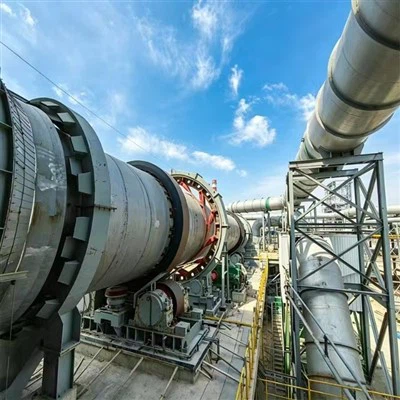
If you’re in the market for metallurgical industry equipment, whether it’s for a small – scale operation or a large – scale plant, I’m here to help. I’ve got a lot of experience in providing high – quality equipment made from the best materials. We can have a detailed discussion about your specific needs and I can offer you the most suitable solutions. Feel free to reach out and let’s start a great business relationship!
References
Mining Equipment -ASM Handbook Volume 1: Properties and Selection: Irons, Steels, and High – Performance Alloys
-Engineering Ceramics: Properties, Processing, and Applications by Richard E. Tressler
-Composite Materials: Science and Applications by P.K. Mallick
Handan Metallurgical Engineering & Research Co., Ltd.
Handan Metallurgical Engineering & Research Co., Ltd. is well-known as one of the leading metallurgical industry equipment manufacturers and suppliers in China. We warmly welcome you to buy high quality metallurgical industry equipment made in China here from our factory. Good service and competitive price are available.
Address: Cheng’an County, Handan City, Hebei Province, China
E-mail: hanhaizhao@dzmer.com
WebSite: https://www.dzmer.com/
