When it comes to water treatment processes, the selection and use of appropriate equipment are crucial for achieving efficient and reliable results. As a supplier of vertical multistage pumps, I have witnessed firsthand the significant role these pumps play in various water treatment applications. In this blog, I will delve into the requirements for using a vertical multistage pump in water treatment, providing insights based on my experience and industry knowledge. Vertical Multistage Pump
Understanding Vertical Multistage Pumps
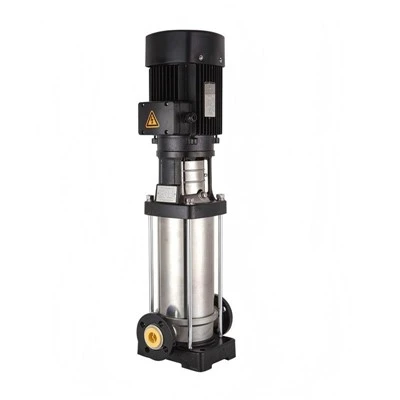
Before we explore the requirements, let’s briefly understand what vertical multistage pumps are. A vertical multistage pump consists of multiple impellers stacked in series, mounted on a vertical shaft. This design allows the pump to generate high pressures by adding the head produced by each impeller. The vertical configuration offers several advantages, including compact size, easy installation, and space-saving, making them ideal for water treatment plants where space is often limited.
Water Quality Requirements
One of the primary considerations when using a vertical multistage pump in water treatment is the quality of the water being pumped. Different types of water treatment processes involve different water qualities, which can range from relatively clean water to highly contaminated water with high levels of solids, chemicals, or biological agents.
- Clean Water Applications: In applications where the water is relatively clean, such as potable water supply or water circulation in heating and cooling systems, the requirements for the pump are less stringent. However, it is still important to ensure that the pump materials are compatible with the water to prevent corrosion and contamination. For example, stainless steel or cast iron with a suitable coating can be used for the pump casing and impellers to resist corrosion.
- Contaminated Water Applications: When dealing with contaminated water, such as wastewater treatment or industrial process water, the pump needs to be able to handle the presence of solids, chemicals, and abrasive particles. In these cases, the pump should have a robust design with features such as wear-resistant materials, large passageways to prevent clogging, and corrosion-resistant coatings. Additionally, the pump may need to be equipped with a filtration system or a pre-treatment unit to remove larger solids before they enter the pump.
Pressure and Flow Requirements
Another critical factor in using a vertical multistage pump in water treatment is the pressure and flow requirements of the system. The pressure requirements depend on the specific application and the height to which the water needs to be pumped. For example, in a high-rise building water supply system, the pump needs to generate sufficient pressure to overcome the gravitational force and deliver water to the upper floors.
The flow rate, on the other hand, is determined by the volume of water that needs to be treated or circulated within a given time. In water treatment plants, the flow rate can vary depending on the size of the plant, the treatment process, and the demand for water. It is essential to select a pump that can provide the required pressure and flow rate consistently to ensure the efficient operation of the water treatment system.
To determine the appropriate pressure and flow requirements, a detailed hydraulic analysis of the system is necessary. This analysis takes into account factors such as the pipe diameter, length, and roughness, the elevation difference, and the friction losses in the system. By accurately calculating the pressure and flow requirements, we can select a vertical multistage pump that is properly sized and capable of meeting the needs of the water treatment application.
Pump Material and Construction Requirements
The choice of pump material and construction is crucial for ensuring the durability and reliability of the vertical multistage pump in water treatment applications. The pump materials need to be compatible with the water quality and the operating conditions to prevent corrosion, erosion, and mechanical failure.
- Casing and Impeller Materials: For clean water applications, materials such as cast iron, stainless steel, or bronze are commonly used for the pump casing and impellers. These materials offer good corrosion resistance and mechanical strength. In applications where the water contains abrasive particles or chemicals, more wear-resistant and corrosion-resistant materials, such as duplex stainless steel or nickel alloys, may be required.
- Shaft and Seal Materials: The shaft and seal materials also play an important role in the performance of the pump. The shaft should be made of a strong and corrosion-resistant material, such as stainless steel, to ensure smooth operation. The seals need to be able to prevent leakage of water and any contaminants from entering the pump. Depending on the application, different types of seals, such as mechanical seals or gland packing, can be used.
Operational and Maintenance Requirements
Proper operation and maintenance are essential for the long-term performance and reliability of the vertical multistage pump in water treatment applications. Here are some operational and maintenance requirements to consider:
- Regular Inspections: Regular inspections of the pump, including checking for leaks, unusual noises, and vibrations, can help detect potential problems early and prevent costly breakdowns. The pump should also be inspected for signs of wear and tear, and any worn-out parts should be replaced promptly.
- Lubrication and Cooling: The pump’s bearings and other moving parts need to be properly lubricated to reduce friction and prevent overheating. In addition, some pumps may require cooling to maintain optimal operating temperatures. Regular checks and maintenance of the lubrication and cooling systems are necessary to ensure the smooth operation of the pump.
- Cleaning and Filtration: To prevent clogging and damage to the pump, it is important to keep the inlet and outlet pipes clean and free from debris. A filtration system should be installed to remove any solids or contaminants from the water before it enters the pump. The filters should be cleaned or replaced regularly to maintain their effectiveness.
Energy Efficiency Requirements
In today’s energy-conscious world, energy efficiency is an important consideration when using a vertical multistage pump in water treatment. Energy-efficient pumps can help reduce operating costs and minimize the environmental impact of water treatment processes.
- Pump Design: Modern vertical multistage pumps are designed with energy efficiency in mind. They feature advanced hydraulic designs, such as optimized impeller shapes and diffuser geometries, to improve the pump’s efficiency. Additionally, some pumps are equipped with variable frequency drives (VFDs), which allow the pump to adjust its speed according to the actual demand, further reducing energy consumption.
- System Optimization: In addition to selecting an energy-efficient pump, it is also important to optimize the overall water treatment system to reduce energy losses. This can include measures such as proper pipe sizing, minimizing friction losses, and using energy recovery devices.
Compliance with Standards and Regulations
When using a vertical multistage pump in water treatment, it is essential to ensure that the pump complies with relevant standards and regulations. These standards and regulations are designed to ensure the safety, reliability, and performance of the pump and the water treatment system.
- National and International Standards: Different countries and regions have their own standards and regulations for water treatment equipment. For example, in the United States, the pump may need to comply with standards set by the American National Standards Institute (ANSI) and the Underwriters Laboratories (UL). In Europe, the pump should comply with the European Union’s Machinery Directive and the relevant standards of the International Organization for Standardization (ISO).
- Industry-Specific Requirements: In addition to national and international standards, the water treatment industry may also have its own specific requirements. For example, pumps used in drinking water treatment need to meet strict hygiene and safety standards to ensure the quality of the water.
Conclusion
In conclusion, using a vertical multistage pump in water treatment requires careful consideration of various factors, including water quality, pressure and flow requirements, pump material and construction, operational and maintenance requirements, energy efficiency, and compliance with standards and regulations. As a supplier of vertical multistage pumps, we understand the importance of providing high-quality pumps that meet these requirements. Our pumps are designed and manufactured to the highest standards, using advanced technology and the best materials to ensure reliable and efficient performance in water treatment applications.
Vertical Multistage Pump If you are looking for a reliable vertical multistage pump for your water treatment project, we would be happy to discuss your specific requirements and provide you with a customized solution. Contact us today to start the conversation and explore how our pumps can meet your needs.
References
- Hydraulic Institute Standards for Centrifugal Pumps.
- American Society of Mechanical Engineers (ASME) Standards for Pumps and Pumping Systems.
- International Organization for Standardization (ISO) Standards for Water Pumps.
- Water Treatment Handbook – A Comprehensive Guide to Water Treatment Technologies.
Taizhou Goodpump Trading Co., Ltd.
We’re well-known as one of the most professional vertical multistage pump enterprises in China, featured by quality products and good service. Please rest assured to buy discount vertical multistage pump in stock here from our factory. For quotation, contact us now.
Address: No. 38, District 6, Zhengye Village, Lunan Street, Luqiao District, Taizhou City, Zhejiang Province, China
E-mail: 19548175755@163.com
WebSite: https://www.goodpump-cn.com/
