Hey there! I’m a supplier of floating ball valves, and I’m stoked to share the ins and outs of these awesome pieces of equipment with you. So, what exactly is a floating ball valve? Let’s dive right in! Floating Ball Valve
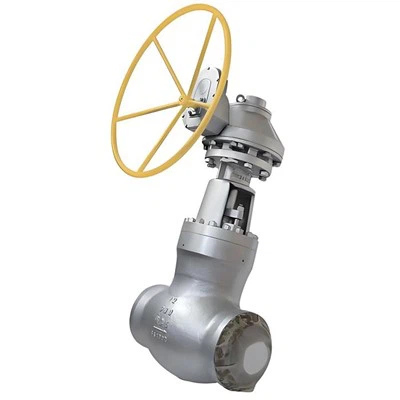
The Basics of Floating Ball Valves
A floating ball valve is a type of quarter – turn valve. That means you only need to rotate the valve handle by 90 degrees to either open or close the valve. It’s super simple and quick, which is one of the reasons it’s so popular in a bunch of different industries.
At the heart of a floating ball valve is the ball itself. This ball has a hole, or a port, drilled through it. When the valve is open, the port aligns with the pipeline, allowing fluid (that could be liquid or gas) to flow through. When you turn the handle to close the valve, the ball rotates so that the port is perpendicular to the pipeline, blocking the flow.
The "floating" part in the name comes from the way the ball is designed. In a floating ball valve, the ball isn’t fixed in place rigidly. Instead, it’s free to move a little bit within the valve body. When the valve is closed, the pressure of the fluid in the pipeline pushes the ball against the downstream seat. This creates a tight seal, preventing any leakage.
How Floating Ball Valves Work
Let’s break down the working process a bit more. When you start to open the valve, you turn the handle. This rotation causes the ball to turn as well. As the ball rotates, the port begins to align with the pipeline. Once the port is fully in line with the pipe, the valve is completely open, and fluid can flow freely.
When you want to shut off the flow, you turn the handle in the opposite direction. The ball rotates again until the port is perpendicular to the pipeline. At this point, the flow stops. As the fluid tries to push through, it forces the ball against the downstream seat, which helps to maintain a leak – tight seal.
Materials Used in Floating Ball Valves
The materials used in manufacturing floating ball valves are super important. They need to be able to withstand the pressure, temperature, and the type of fluid they’re going to be in contact with.
For the valve body, common materials include cast iron, carbon steel, stainless steel, and brass. Cast iron is strong and affordable, making it a popular choice for less – critical applications. Carbon steel is great for high – pressure and high – temperature environments. Stainless steel is resistant to corrosion, making it ideal for applications where the fluid might be corrosive, like in the chemical industry. Brass is often used in smaller valves and for applications where the fluid is water, as it’s also corrosion – resistant to some extent.
The ball is usually made of materials that can resist wear and tear. Stainless steel is a common choice here as well, because it’s hard and can handle the friction caused by the movement of the fluid. The seats, which are the parts that the ball seals against, can be made of materials like PTFE (polytetrafluoroethylene), which has excellent sealing properties and is also resistant to a wide range of chemicals.
Applications of Floating Ball Valves
Floating ball valves are used in a vast number of industries. Let’s take a look at some of the main ones:
Oil and Gas Industry
In the oil and gas industry, floating ball valves are used everywhere. They’re used in pipelines to control the flow of crude oil, natural gas, and refined products. They can handle high pressures and are able to operate in harsh environments, such as offshore oil rigs. The reliability of floating ball valves is crucial in this industry, as any leakage could lead to serious safety hazards and environmental damage.
Chemical Industry
The chemical industry needs valves that can resist corrosion from various chemicals. Floating ball valves made of materials like stainless steel and with PTFE seats are perfect for this. They’re used to control the flow of acids, alkalis, and other corrosive substances in chemical plants.
Water Treatment Plants
In water treatment plants, floating ball valves are used to control the flow of water at different stages of the treatment process. Whether it’s in the intake, filtration, or distribution systems, these valves play a key role in ensuring a smooth and reliable water supply.
HVAC Systems
Heating, ventilation, and air – conditioning (HVAC) systems also use floating ball valves. They’re used to control the flow of refrigerant, water, or other fluids in the system. This helps to regulate the temperature and maintain the efficiency of the HVAC system.
Advantages of Floating Ball Valves
There are several reasons why floating ball valves are so widely used.
- Simple Design: Their design is straightforward, which means they’re easy to understand, install, and maintain. You don’t need a lot of technical knowledge to operate them.
- Quick Operation: The quarter – turn operation allows for rapid opening and closing of the valve. This is really useful in situations where you need to stop the flow quickly, like in an emergency.
- Good Sealing: When properly installed and maintained, floating ball valves provide a tight seal. The pressure – assisted sealing mechanism helps to prevent leakage even under high pressures.
- Cost – Effective: Compared to some other types of valves, floating ball valves are generally more affordable. They offer a great balance between performance and cost.
Limitations of Floating Ball Valves
Of course, no valve is perfect, and floating ball valves have some limitations too.
- High – Pressure Differential: In applications with very high – pressure differentials across the valve, the ball may be pushed too hard against the seat. This can cause excessive wear on the seat and may reduce the valve’s lifespan.
- Large Sizes: As the valve size increases, the force required to operate the valve also increases. So, in very large – diameter pipes, floating ball valves may not be the best option.
Maintaining Floating Ball Valves
Proper maintenance is key to keeping floating ball valves in good working condition.
- Regular Inspection: Check the valve body for any signs of damage, such as cracks or corrosion. Inspect the seats and the ball for wear.
- Lubrication: If the valve has moving parts, make sure to lubricate them regularly. This helps to reduce friction and makes the operation smoother.
- Cleaning: Keep the valve clean. If there are any deposits on the ball or the seats, it can affect the sealing performance.
Conclusion
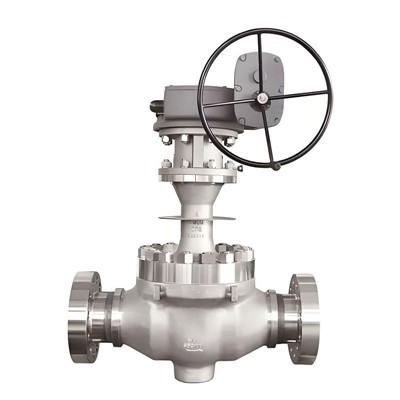
So, there you have it! That’s what a floating ball valve is, how it works, where it’s used, and its pros and cons. As a supplier, I know how important these valves are in so many industries. Whether you’re in the oil and gas business, chemical processing, or water treatment, having a reliable floating ball valve can make a huge difference.
Ball Valve If you’re in the market for floating ball valves, I’d love to talk to you. I can provide high – quality valves with a range of materials and sizes to meet your specific needs. Just reach out, and we can start a discussion about how these valves can fit into your operations. Let’s work together to get you the right solution!
References
- "Valve Handbook" by Ian J. Christie
- "Pipeline Valves: Design, Construction and Materials" by Kenneth Eslick
Wuxi PYNOS Flow-tech Co., Ltd.
As one of the leading floating ball valve manufacturers and suppliers in China, we offer a wide range of products with superior quality. We warmly welcome you to buy high quality floating ball valve made in China here from our factory. We also accept customized orders.
Address: Sales Center: 7th Floor, No.19 Qingyuan RD, Wuxi City, Jiangsu Prov., China
E-mail: Info@pynosvalve.com
WebSite: https://www.pynosvalves.com/
