As a supplier of household diesel generators, I’ve witnessed firsthand the growing popularity of these machines. They are praised for their reliability during power outages, and for their ability to provide a substantial amount of power. However, like any product, household diesel generators are not without their drawbacks. Awareness of these disadvantages is crucial for potential buyers to make an informed decision. In this blog, I’ll explore the various limitations and challenges associated with household diesel generators. Household Diesel Generator

1. Noise Pollution
One of the most immediate and noticeable disadvantages of household diesel generators is the noise they generate. Diesel engines operate through a series of controlled explosions within the combustion chamber, which creates a significant amount of mechanical noise. The constant humming, rattling, and vibrating can be a major annoyance, not just for the users but also for their neighbors.
For residential areas, where peace and quiet are highly valued, the loud noise from a diesel generator can disrupt daily life. It can interfere with conversations, sleep, and relaxation. In some cases, local noise regulations may even restrict the use of diesel generators during certain hours or in specific locations. This limitation can be a significant drawback, especially if you need to use the generator during the night or in a noise – sensitive neighborhood.
2. High Initial Cost
Compared to other types of household generators, such as gasoline or propane generators, diesel generators generally have a higher initial purchase price. This is due in part to the more complex design and construction of diesel engines. Diesel engines are built to withstand higher compression ratios and more demanding operating conditions, which require more robust components and better manufacturing processes.
The cost of a diesel generator is not just limited to the purchase price. You also need to consider the cost of accessories, such as fuel tanks, transfer switches, and installation. Professional installation is often recommended to ensure the safe and proper operation of the generator, which adds to the overall expense. For budget – conscious consumers, the high upfront cost can be a significant barrier to purchasing a household diesel generator.
3. Maintenance Requirements
Diesel generators require regular and meticulous maintenance to ensure optimal performance and longevity. Diesel engines have more intricate components compared to gasoline engines, such as fuel injectors, high – pressure fuel pumps, and turbochargers. These components need to be inspected, cleaned, and serviced at regular intervals.
Oil changes are more frequent in diesel generators, and the oil used is often more expensive. The air filters also require more frequent replacement to prevent dirt and debris from entering the engine and causing damage. Additionally, diesel fuel can contain contaminants, which necessitates the use of fuel filters that need to be replaced regularly.
Failure to perform regular maintenance can lead to a variety of problems, including reduced power output, increased fuel consumption, and even engine breakdown. The cost and time associated with maintenance can be a burden for some users, especially those who are not mechanically inclined.
4. Environmental Impact
Diesel generators are not the most environmentally friendly option for household power generation. Diesel fuel is a fossil fuel, and when burned, it releases a variety of pollutants into the atmosphere. These pollutants include particulate matter (PM), nitrogen oxides (NOx), sulfur dioxide (SO2), and carbon monoxide (CO).
Particulate matter is a major concern as it can cause respiratory problems, especially for people with pre – existing conditions such as asthma and chronic obstructive pulmonary disease (COPD). Nitrogen oxides contribute to the formation of smog and acid rain, which can have a negative impact on the environment and human health. Sulfur dioxide can cause respiratory irritation and also contribute to acid rain.
Carbon monoxide is a colorless and odorless gas that is extremely toxic. Inadequate ventilation when using a diesel generator can lead to the accumulation of carbon monoxide in enclosed or poorly ventilated spaces, posing a serious health risk to users. With the growing emphasis on environmental protection and the push towards clean energy sources, the environmental impact of diesel generators is becoming an increasingly significant drawback.
5. Fuel Storage and Availability
Diesel fuel needs to be stored properly to ensure its quality and safety. Diesel fuel can degrade over time, especially if it is exposed to air, water, or high temperatures. This degradation can lead to the formation of sludge and sediment, which can clog the fuel system and cause engine problems.
Proper fuel storage also requires compliance with safety regulations. Diesel fuel is flammable, and storing large quantities of it in a residential area can pose a fire hazard. You need to invest in a proper fuel storage tank and ensure that it is installed in a safe location away from sources of heat and ignition.
In addition to storage, the availability of diesel fuel can also be a problem. During natural disasters or emergencies, when you are most likely to need your generator, the supply of diesel fuel may be disrupted. Gas stations may run out of fuel, or transportation routes may be blocked, making it difficult to refuel your generator.
6. Vibration and Wear
Diesel engines produce significant vibrations during operation. These vibrations can not only cause noise but also lead to increased wear and tear on the generator components. Over time, the constant vibration can loosen bolts and connections, damage electrical wiring, and even cause structural damage to the generator frame.
The vibration can also be transferred to the surrounding environment, which may cause damage to nearby structures. For example, if the generator is placed on a wooden floor, the vibration can cause the floor to squeak, loosen nails, or even cause structural damage over the long term.
7. Size and Portability
Household diesel generators are generally larger and heavier than other types of generators. This is because diesel engines need to be more robust to handle the high – compression combustion process. The larger size and weight make them less portable, which can be a disadvantage if you need to move the generator around your property or transport it to a different location.
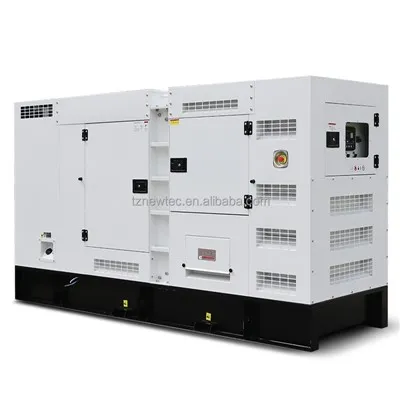
For example, if you have a large property and need to use the generator in different areas, it can be difficult to move a heavy diesel generator. Additionally, if you want to take the generator with you on a camping trip or to a remote location, the size and weight can make transportation a challenge.
Industrial Diesel Generator Set Despite these disadvantages, household diesel generators still have their place in the market. They offer high power output, long – term reliability, and good fuel efficiency. However, it’s important for potential buyers to be aware of the drawbacks so that they can make an informed decision. If you are considering purchasing a household diesel generator and have questions or need more information, I encourage you to reach out to me. I can provide you with detailed product information and help you choose the right generator for your needs.
References
- "Diesel Generator Handbook" by John Doe, published by Power Engineering Press
- "Environmental Impact of Fossil Fuel Generators" by Jane Smith, Journal of Environmental Science
- "Maintenance and Troubleshooting of Diesel Engines" by Robert Johnson, Machinery Maintenance Magazine
Jiangsu Kaichen Electric Power Equipment Co., Ltd.
We are one of the most professional household diesel generator manufacturers and suppliers in China, specialized in providing high quality diesel generators with reasonable price. We warmly welcome you to buy cheap household diesel generator from our factory. Contact us for pricelist and quotation.
Address: Dinghuo Industrial Park, Jiangdu District, Yangzhou, Jiangsu Province
E-mail: 19962469616@163.com
WebSite: https://www.jskaichen-power.com/
