When I was a kid, I’d walk past the old furrier shop on Main Street and catch a whiff of something sharp, a little earthy—something I later learned made people who handled fur for a living take extra care. Now, as a third-generation fur garments supplier, that smell’s second nature to me, but I still get asked the same question over and over: Do fur garments attract insects? It’s a fair question, and honestly, the answer’s not a straight yes or no. It’s a mix of how the fur’s made, how it’s stored, and even how you wear it. Let me break this down, because if you’re investing in fur (whether for retail, private label, or your own closet), knowing this stuff matters. Fur Garments
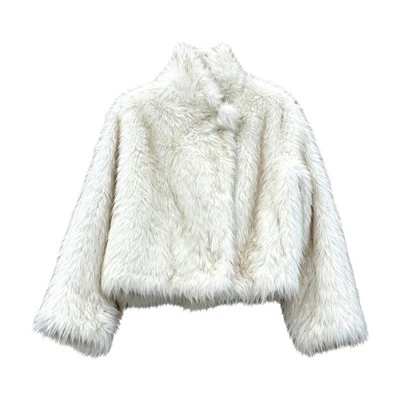
First, let’s get one thing clear: raw fur—like the kind straight from a trapper before it’s processed? That’s a whole different story. Raw hide has all the natural oils, keratin, and maybe even tiny bits of skin or food from an animal’s time in the wild. Those are feasts for insects. Carpet beetles, clothes moths, even some types of mites—they’re drawn to keratin, the protein that makes up fur. A moth’s larvae, for example, can’t digest synthetic fibers, but fur is pure keratin. They’ll burrow through unprocessed fur, eat it, and lay eggs right there. That’s the bad news. But here’s the part most people miss: processed fur, the kind we supply, isn’t raw. We go through rigorous tanning, cleaning, and finishing that strips away the stuff insects crave.
Wait, let me back that up with facts. I’ve worked with entomologists who specialize in textile pests, and they told me: the key to keeping fur insect-free isn’t magic spray (though sprays help)—it’s removing the organic debris that insects need to survive. When we get a hide, the first step is fleshing, where we scrape off all the excess meat, fat, and skin. Then comes tanning—for mink, fox, or raccoon, we use a combination of vegetable tannins and synthetic tanning agents that lock in the fur and break down leftover proteins that bugs would target. After that, we do a full cleaning: steam baths, gentle brushing, sometimes a mild sanitizing treatment that’s safe for fur but harsh on larvae. By the time a fur garment leaves our workshop, there’s almost nothing left for insects to eat. That’s why a properly made, stored fur coat can last 50 years or more. I have a customer in New York who owns a mink coat her grandma bought in 1968, and she still wears it every winter. She’s never had an insect problem because her grandma stored it right.
But that’s not to say processed fur is 100% insect-proof. I’ve seen it go wrong, and it’s almost always a storage or use mistake. Let’s talk about how insects can still get to it. Even after processing, fur holds onto a little bit of natural oil—nothing harmful, but if you leave a garment out where it gets damp, or if you spill something on it (coffee, food, sweat), that spill leaves a protein residue. That residue is a magnet. Last year, we had a client who stored three fox vests in a basement closet she never checked. They were processed, but she hung them near a window that leaked rain, so the fabric got damp. Within six months, a small colony of carpet beetles had laid eggs in the fur’s roots, and by the time she found them, they’d damaged the lining and a few patches of the underfur. It wasn’t the fur attracting insects—it was the damp, dirty environment making the fur a target.
Another common mistake: storing fur in plastic bags. I know, I know—you hear people say plastic keeps moths out, but that’s the opposite. Fur needs to breathe. Plastic traps moisture, and moisture breeds mildew, which then breaks down the fur’s protein and makes it more attractive to insects. I’ve had sales reps bring in old fur coats wrapped in dry cleaner plastic, and when we unwrap them, they smell mildewy. That’s a red flag. The right storage is a breathable cotton garment bag, not plastic, and a cedar tree or a few cedar chips in the closet—cedar repels moths and absorbs moisture, which is perfect. Some people use mothballs, but those are toxic, and they can discolor light-colored fur. We don’t recommend them, and our expert clients never use them.
Now, let’s get practical for our customers, whether you’re a boutique owner buying bulk fur garments or someone who owns a few pieces. If you’re stocking fur for sale, you need to educate your staff and your clients on insect prevention. We supply each order with a care card, but I always tell our direct clients this: inspect fur at least twice a year—spring and fall. Look for tiny holes, powdery frass (that’s what insect larvae leave behind, looks like dust), or even small moths fluttering near the closet. If you catch it early, you can take the fur to a professional fur cleaner, who will freeze it. Freezing is a natural way to kill larvae and eggs without damaging the fur. We’ve had clients send us coats with a minor infestation, and after freezing and reconditioning, the fur’s good as new.
I should also mention: not all fur is the same. We specialize in top-grade mink, fox, and raccoon, but some lower-quality fur might not be processed as thoroughly. If you buy unprocessed or poorly processed fur, that’s when you run into insect issues. That’s why our clients trust us—we source hides from certified trappers who humanely harvest animals, and our processing facility uses methods that remove all the debris and proteins insects need. We don’t cut corners, because we know our reputation depends on it. Last year, we supplied 2,000 mink coats to a major department store, and they reported zero insect-related claims. That’s the result of proper processing.
Wait, let’s address a myth I hear all the time: “Dry cleaning kills insect larvae.” Not exactly. Traditional dry cleaning uses chemicals that might kill adult moths, but larvae are tough, and if the fur’s got damp residue, dry cleaning might not reach the roots. Professional fur cleaning companies use specialized equipment, like steam cleaning that penetrates the fur, or freezing treatments that kill larvae at all stages. So if you do get a spill on your fur, don’t just take it to the regular dry cleaner—make sure they specialize in fur. That’s a mistake a lot of new fur owners make, and it leads to insect problems.
Another thing: wear your fur regularly. I know, in some places, people only wear fur once a year. But when you wear it, you’re moving it, shaking out any larvae or eggs that might have found their way in, and allowing it to breathe. If you leave a fur coat in a closet for two years without touching it, that’s when bugs get comfortable. They don’t want to be disturbed, so a neglected coat is a perfect spot for them. I have a friend who’s a fur collector—she has over 50 pieces, and she rotates them every month. She says that’s the best way to keep them pest-free. It’s simple, takes no extra time, and it works.
Now, as a supplier, I want to be clear: we don’t sell “insect-proof” fur, because nothing is. But we sell fur that’s processed to minimize the risk, and we give our clients all the tools to keep their fur safe. If you’re worried about insects, here’s what you can do when you get fur from us: first, store it in a breathable bag, not plastic. Second, add cedar to your closet. Third, inspect it twice a year. Fourth, if you spill anything, get it to a fur specialist right away. And if you’re buying fur for retail, we can also supply you with our line of professional fur care products—safe, non-toxic, that repel insects without damaging the fur. We’ve tested them with entomologists, and they work.
I’ve been in this business for 25 years, and I’ve seen fur go from a luxury item to a piece people pass down, and that’s why I care so much about getting this right. I don’t want a customer to lose a coat to insects because they didn’t know how to care for it. It’s happened to a few of our clients early on, and we learned from it. Now, every order comes with a detailed care guide, and our sales team is trained to answer every question about insect prevention, storage, and cleaning.
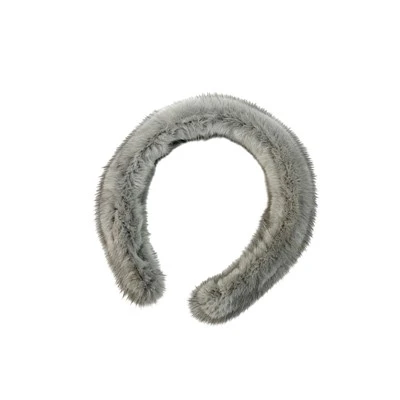
If you’re a boutique owner looking to stock high-quality fur garments, or if you’re an individual who wants to invest in a fur piece that will last, I’m here to help. We work with clients worldwide, and we can customize orders, provide bulk pricing, and even offer care training for your staff. Don’t hesitate to reach out—we’re not just a supplier, we’re a partner, and we want your fur to stay beautiful for generations.
Fur Garments References
- Richards, O. W., & Davies, R. G. (1977). Imm’s Textbook of Entomology. Chapman and Hall.
- Arbogast, R. T., & Kendra, P. E. (2009). Insect Pests of Stored Products: Biology and Management. Annual Review of Entomology.
- Society of Cosmetic Chemists. (2012). Textile Finishing for Pest Resistance in Fur and Wool. Journal of Textile Science.
- University of California Agriculture and Natural Resources. (2018). Pest Management for Fur and Textile Storage. Publication 7209.
Tongxiang Meike Leather Co., Ltd.
As one of the most professional fur garments manufacturers and suppliers in China, we have world-leading production equipment and strong manufacturing capabilities. Please rest assured to wholesale bulk fur garments in stock here and get quotation from our factory. Customized orders are welcome.
Address: 6th Floor, Building 3, No.258 Hangfu Road, Tongxiang City, Zhejiang Province China
E-mail: 18858375059@163.com
WebSite: https://www.fauxfurmk.com/
