As a supplier of Pad Mounted Substations, I’ve had the privilege of being deeply involved in the design and implementation of these crucial electrical infrastructure components. Pad Mounted Substations are widely used in various settings, from residential areas to commercial and industrial complexes, due to their compact design, safety features, and ease of installation. In this blog, I’ll share some key considerations for the layout design of Pad Mounted Substations. Pad Mounted Substation
1. Electrical Requirements and Load Analysis
The first step in designing a Pad Mounted Substation layout is to conduct a thorough analysis of the electrical requirements and load. This involves determining the power capacity needed to meet the demands of the connected loads. Factors such as the type of load (residential, commercial, or industrial), peak demand, and future growth projections must be taken into account.
For example, in a residential area, the load is typically dominated by lighting, heating, and small appliances. In a commercial setting, there may be additional loads from office equipment, HVAC systems, and retail operations. Industrial loads can be much more complex, with high – power machinery and specialized equipment.
Based on the load analysis, the appropriate transformer size and rating can be selected. The transformer is the heart of the substation, and its capacity must be sufficient to handle the expected load without overheating or experiencing excessive voltage drops.
2. Safety and Clearance Requirements
Safety is of utmost importance in the design of Pad Mounted Substations. Adequate clearances must be maintained between different electrical components to prevent electrical arcing and short – circuits. These clearances are specified by national and international electrical standards, such as the National Electrical Code (NEC) in the United States.
For example, there should be sufficient clearance between the transformer and other equipment, as well as between the substation enclosure and any surrounding structures or objects. The enclosure itself must be designed to prevent unauthorized access, with features such as locked doors and tamper – resistant fasteners.
In addition, proper grounding is essential to protect against electrical faults and ensure the safety of personnel. The grounding system should be designed to provide a low – resistance path to the earth, which can safely dissipate electrical energy in the event of a fault.
3. Accessibility and Maintenance
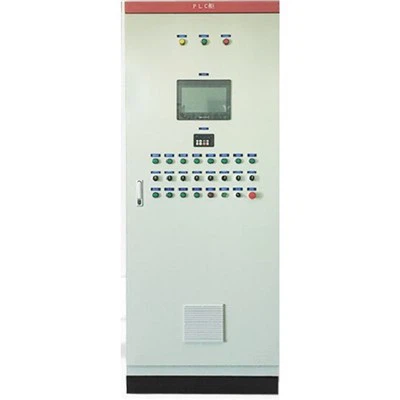
Pad Mounted Substations need to be easily accessible for maintenance and inspection. The layout should allow for easy access to all components, including the transformer, switchgear, and control panels. This may involve providing sufficient space around the equipment for technicians to work safely and comfortably.
For example, there should be clear walkways and access points to the substation. The doors of the enclosure should open wide enough to allow for the removal of large components, such as transformers, if necessary. In addition, the layout should be designed to facilitate the replacement of parts and the performance of routine maintenance tasks.
4. Environmental Considerations
The environment in which the Pad Mounted Substation is located can have a significant impact on its design. Factors such as temperature, humidity, and exposure to sunlight must be considered.
In hot climates, the substation may need to be designed with additional ventilation to prevent overheating. This could involve the use of fans or vents to circulate air inside the enclosure. In cold climates, insulation may be required to protect the equipment from freezing temperatures.
Exposure to sunlight can also cause the enclosure to heat up, which can affect the performance of the electrical components. To mitigate this, the enclosure can be painted with a reflective coating to reduce heat absorption.
5. Aesthetic and Site Integration
Pad Mounted Substations are often located in areas where they are visible to the public, such as residential neighborhoods or commercial areas. Therefore, the aesthetic design of the substation is an important consideration.
The enclosure should be designed to blend in with the surrounding environment. This may involve using colors and materials that are consistent with the local architecture. In addition, the substation can be landscaped to enhance its appearance and make it more visually appealing.
6. Space Constraints
In many cases, space is a limited resource, especially in urban areas. The layout of the Pad Mounted Substation must be optimized to fit within the available space. This may involve using compact equipment and arranging the components in a way that maximizes the use of the available area.
For example, the switchgear and control panels can be designed to be more compact, and the transformer can be placed in a vertical or horizontal orientation depending on the space requirements.
7. Future Expansion
When designing the layout of a Pad Mounted Substation, it’s important to consider future expansion. As the demand for electricity grows, the substation may need to be upgraded or expanded to accommodate additional loads.
The layout should be designed to allow for easy expansion, such as the addition of new transformers or switchgear. This may involve leaving sufficient space within the enclosure or providing provisions for future connections.
8. Regulatory and Permitting Requirements
Pad Mounted Substations must comply with a variety of regulatory and permitting requirements. These requirements can vary depending on the location and the type of installation.
Before starting the design process, it’s important to research and understand the local regulations and obtain the necessary permits. This may involve working with local authorities, such as the building department or the electrical utility.
9. Integration with the Power Grid
The Pad Mounted Substation must be designed to integrate seamlessly with the power grid. This involves ensuring that the electrical characteristics of the substation, such as voltage levels and power factor, are compatible with the grid.
In addition, the substation should be equipped with appropriate protection devices, such as circuit breakers and relays, to protect the grid from faults and ensure the reliable supply of electricity.
10. Cost – Effectiveness
Finally, cost – effectiveness is an important consideration in the design of Pad Mounted Substations. The layout should be designed to minimize the cost of construction, installation, and maintenance while still meeting all the necessary requirements.
This may involve using cost – effective materials and components, as well as optimizing the design to reduce the overall size and complexity of the substation.
In conclusion, the layout design of a Pad Mounted Substation is a complex process that requires careful consideration of a variety of factors. By taking into account the electrical requirements, safety, accessibility, environmental factors, and other considerations outlined above, we can design a substation that is reliable, efficient, and cost – effective.
If you are in need of a Pad Mounted Substation for your project, I invite you to reach out to us for a detailed discussion. Our team of experts can work with you to design a substation that meets your specific needs and requirements.
Pad Mounted Substation References
- National Electrical Code (NEC)
- IEEE Standards for Electrical Equipment
- Local Building and Electrical Regulations
Yuanzhuo Electrical Equipment (Jiangsu) Co., Ltd.
We’re well-known as one of the leading pad mounted substation manufacturers and suppliers in China. We warmly welcome you to wholesale high quality pad mounted substation at competitive price from our factory. If you have any enquiry about cooperation, please feel free to email us.
Address: Group 8, Chengdong Village, Fucheng Sub-district Office, Funing County
E-mail: markcheng1358@126.com
WebSite: https://www.yzdlchina.com/
