Hey there! I’m a supplier of heat-resistant steel, and I’ve been in this game for quite a while. Heat-resistant steel is super important in a bunch of industries, like aerospace, power generation, and chemical processing. But how do we make sure the heat-resistant steel we’re providing meets the high standards? Well, that’s where inspection methods come in. In this blog, I’m gonna share with you some of the key inspection methods for heat-resistant steel. Heat-resistant Steel
Visual Inspection
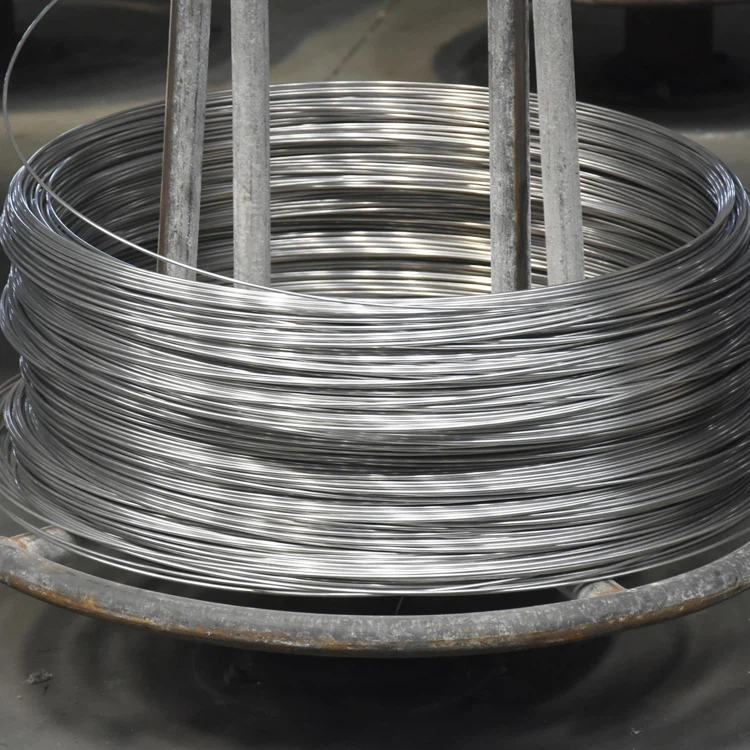
Let’s start with the simplest one – visual inspection. This is like the first line of defense. You don’t need any fancy equipment for this. All you need is a good pair of eyes and maybe a magnifying glass.
When I’m doing a visual inspection, I look for obvious defects on the surface of the heat-resistant steel. Things like cracks, scratches, pits, and rust. Cracks are a big no-no. They can weaken the steel and lead to failure under high temperatures and stress. Scratches might not seem like a big deal at first, but they can also be starting points for corrosion. Pits are small holes on the surface, and they can reduce the strength of the steel. And rust, well, that’s a sign of corrosion, which can eat away at the steel over time.
I also check the shape and dimensions of the steel. It needs to be the right size and have the correct shape according to the specifications. If it’s too big or too small, it might not fit properly in the application.
Dye Penetrant Inspection
Sometimes, the defects aren’t visible to the naked eye. That’s when dye penetrant inspection comes in handy.
Here’s how it works. First, I clean the surface of the heat-resistant steel really well to make sure there’s no dirt or grease. Then, I apply a special dye penetrant to the surface. This dye can seep into any cracks or pores in the steel. After letting it sit for a while, I wipe off the excess dye. Next, I apply a developer, which makes the dye that’s trapped in the defects stand out.
This method is great for finding surface-breaking defects. It’s relatively simple and cost-effective. But it can only detect defects that are open to the surface. If the defect is inside the steel, this method won’t work.
Magnetic Particle Inspection
If the heat-resistant steel is ferromagnetic (which most of them are), magnetic particle inspection is a good option.
I use a magnetic field to create magnetic lines of force in the steel. If there’s a defect, like a crack, the magnetic field gets disrupted, and the magnetic lines of force leak out. Then, I sprinkle iron particles on the surface. These particles are attracted to the areas where the magnetic field is leaking, forming a visible indication of the defect.
This method is really good at finding surface and near-surface defects. It’s fast and can cover a large area quickly. But it only works on ferromagnetic materials, and it can’t detect defects that are deep inside the steel.
Ultrasonic Inspection
Ultrasonic inspection is a more advanced method. It uses high-frequency sound waves to detect internal defects in the heat-resistant steel.
I use a transducer to send ultrasonic waves into the steel. These waves travel through the steel until they hit a defect. When they hit a defect, some of the waves are reflected back. The transducer then picks up these reflected waves and converts them into an electrical signal. By analyzing this signal, I can figure out the location, size, and shape of the defect.
Ultrasonic inspection is great for detecting internal defects, like voids, inclusions, and delaminations. It can also be used to measure the thickness of the steel. But it requires skilled operators and special equipment, and the results can be affected by the shape and structure of the steel.
Radiographic Inspection
Radiographic inspection is another way to check for internal defects. It uses X-rays or gamma rays to create an image of the inside of the heat-resistant steel.
I place the steel between a radiation source and a film or a digital detector. The radiation passes through the steel and exposes the film or detector. The areas with defects show up as darker or lighter spots on the image, depending on the type of defect.
This method can provide detailed information about the internal structure of the steel. It can detect a wide range of defects, including small cracks and inclusions. But it’s expensive, and it requires special safety precautions because of the radiation.
Hardness Testing
Hardness testing is important because it can tell us a lot about the properties of the heat-resistant steel.
There are different methods of hardness testing, like the Brinell, Rockwell, and Vickers tests. In the Brinell test, I use a hard ball to make an indentation on the surface of the steel. The size of the indentation is then measured, and the hardness is calculated based on the load applied and the size of the indentation. The Rockwell test uses a diamond cone or a steel ball to make an indentation, and the hardness is determined by the depth of the indentation. The Vickers test uses a diamond pyramid to make an indentation, and the hardness is calculated based on the size of the indentation.
Hardness testing can help us make sure the steel has the right strength and wear resistance. If the hardness is too high, the steel might be brittle and prone to cracking. If the hardness is too low, the steel might not be strong enough.
Chemical Analysis
Chemical analysis is crucial to ensure that the heat-resistant steel has the right chemical composition.
I use different methods for chemical analysis, like spectroscopy and wet chemical analysis. Spectroscopy uses light to analyze the elements in the steel. It can quickly and accurately determine the concentrations of different elements. Wet chemical analysis involves dissolving the steel in a chemical solution and then analyzing the solution to determine the chemical composition.
The chemical composition of the heat-resistant steel affects its properties, like its heat resistance, corrosion resistance, and strength. If the chemical composition is off, the steel might not perform as expected.
Conclusion
So, there you have it – some of the main inspection methods for heat-resistant steel. Each method has its own advantages and limitations, and in real life, we usually use a combination of these methods to make sure the heat-resistant steel we’re providing is of the highest quality.
Nickel Alloys If you’re in the market for heat-resistant steel, and you want to make sure you’re getting the best product, don’t hesitate to reach out. We can talk about your specific needs and how we can meet them. Whether you need a small quantity for a prototype or a large order for a big project, we’ve got you covered. Let’s have a chat and see how we can work together!
References
- ASME Boiler and Pressure Vessel Code
- ASTM International Standards for Metals Testing
- Nondestructive Testing Handbook, Volume 1: Ultrasonic Testing
- Metallurgy for the Non-Metallurgist, by John D. Verhoeven
Taizhou Aoyuan Alloy Material Co., Ltd
We’re professional heat-resistant steel manufacturers and suppliers in China, specialized in providing high quality customized products. We warmly welcome you to wholesale high-grade heat-resistant steel made in China here from our factory.
Address: No. 28, Luome Industrial Park, Dainan Town, Xinghua City, Jiangsu Province, China
E-mail: tzayhj@163.com
WebSite: https://www.hitempalloys.com/
